
Last updated October 17, 2026
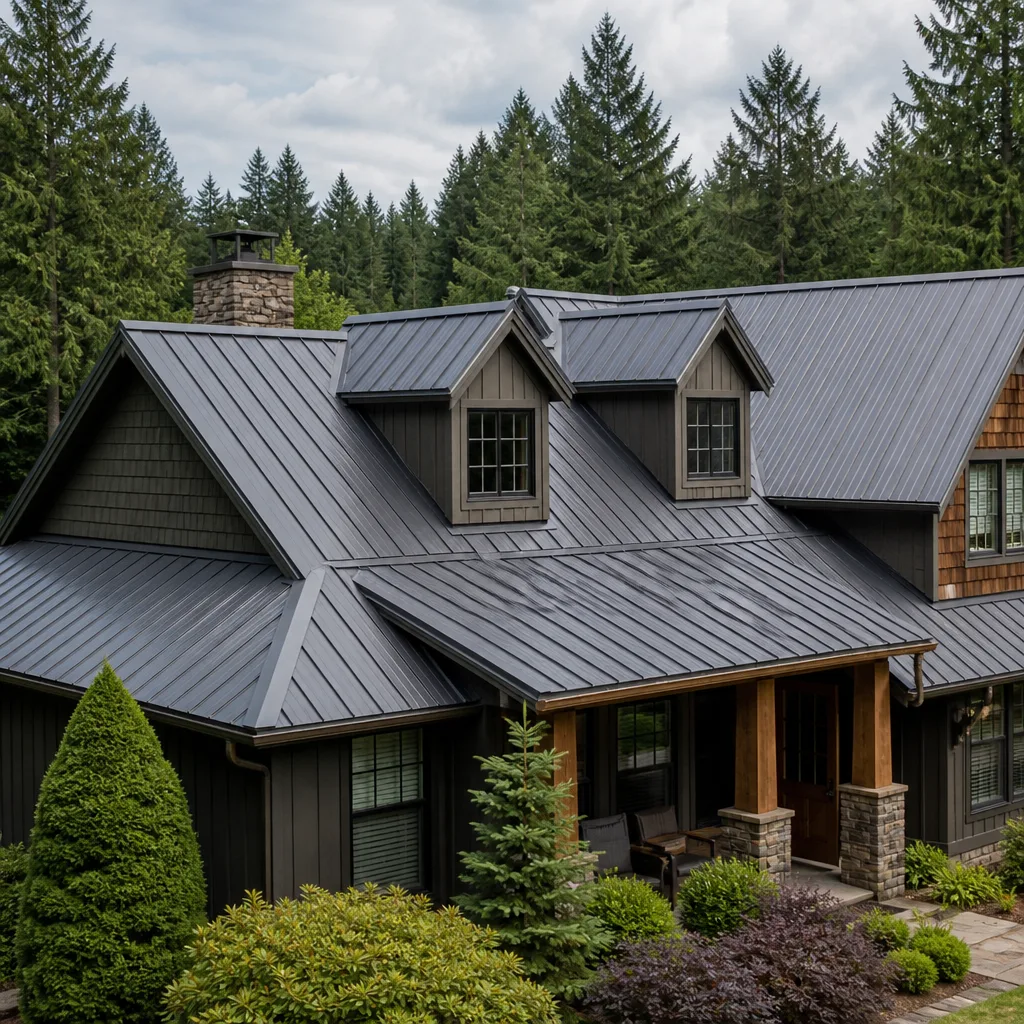 Metal roofing
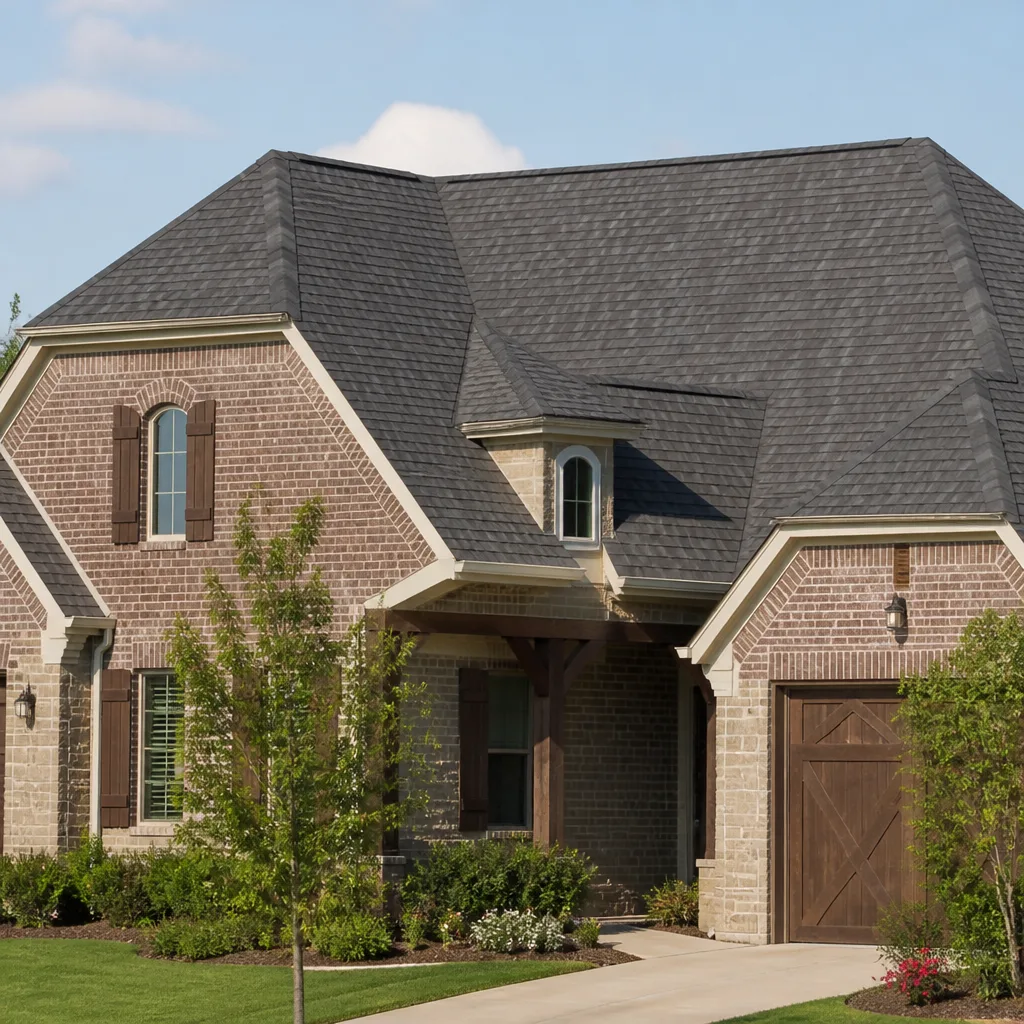 Architectural shingles
 Tile roofing
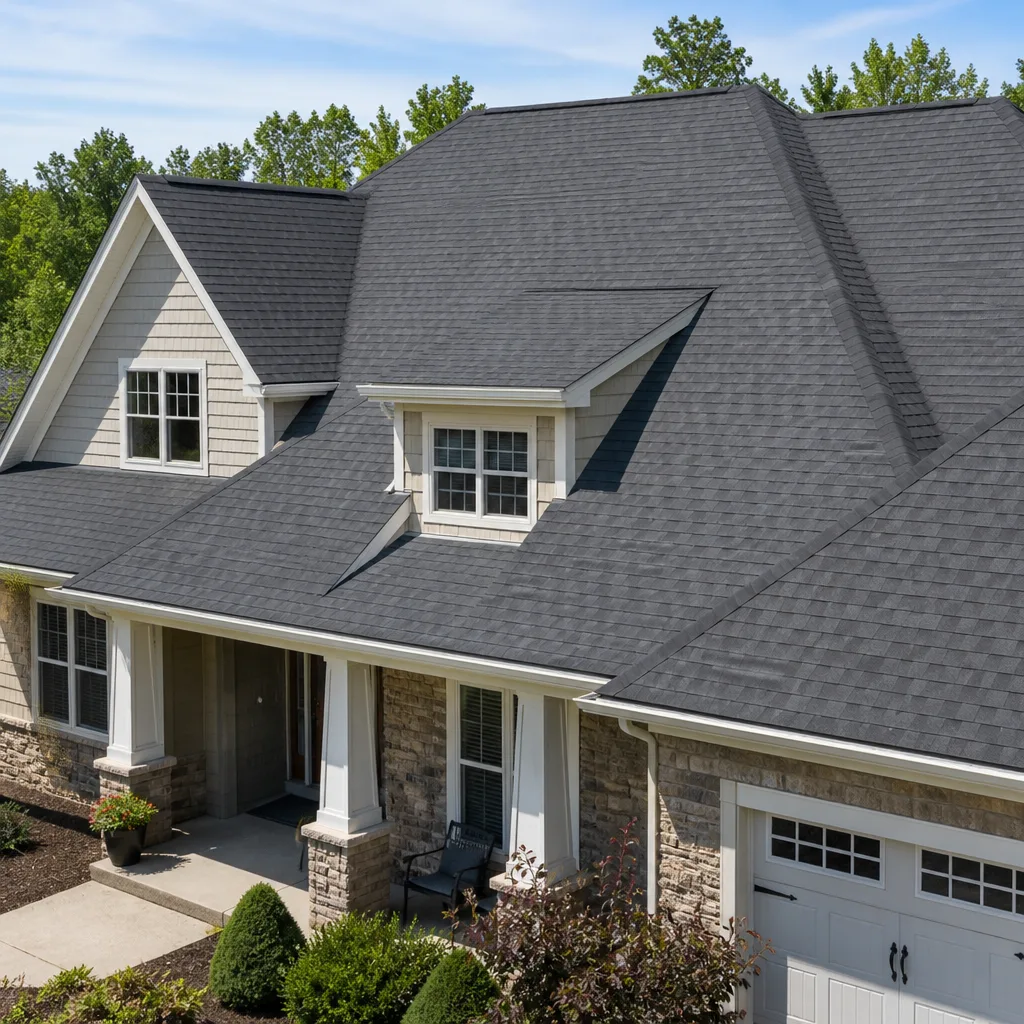 GAF
GAF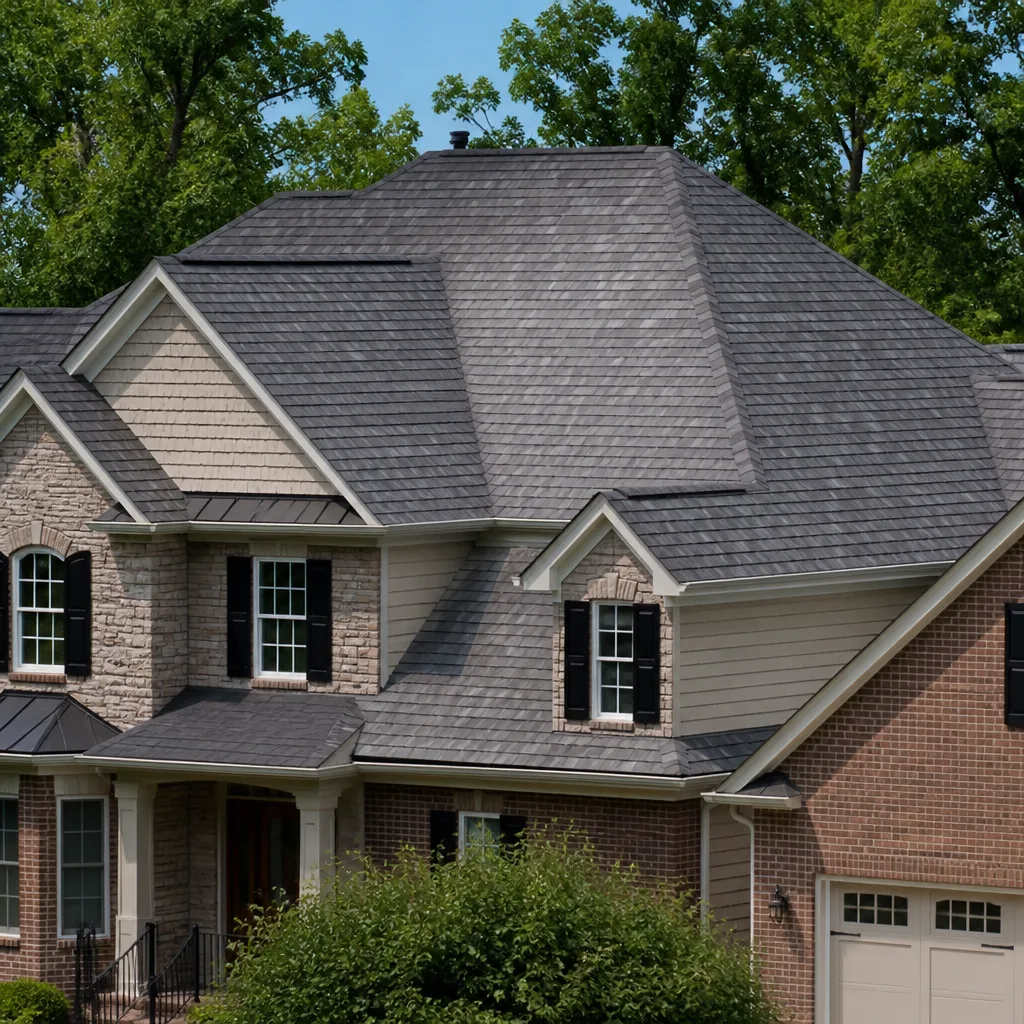 Owens Corning
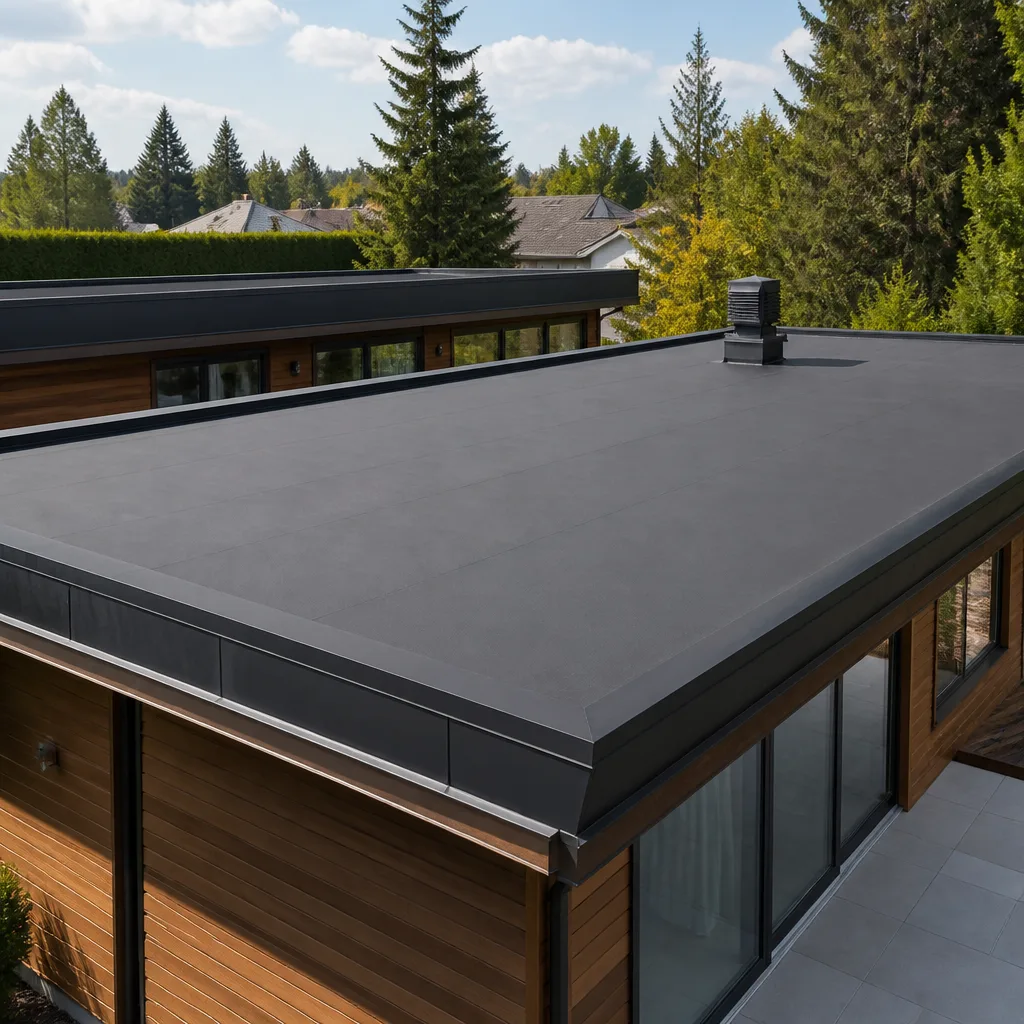 Flat & low-slope
Free roof inspection with deck photos before we talk money - GAF and Owens Corning certified installation
Seasonal Roofing Care for Orlando: Year-Round Homeowner’s Guide
Spring is when Orlando homeowners feel safest about their roofs, no storms yet, mild weather, nothing dramatic happening. It’s also the best possible time to find and fix the damage that wet season left behind before summer heat bakes minor issues into major structural problems. Most people miss this window entirely. This guide maps the real threats each period brings to your Orlando roof and the specific actions that neutralize them, and you can find more guides & resources on our blog, because the homeowners who treat our two aggressive seasons and two transition windows correctly spend far less on emergency repairs than those following national seasonal advice that was never written for Central Florida.
Quick Answer
Orlando doesn’t have four roofing seasons, it has two aggressive ones (wet season from June through September, oak leaf season from November through March) and two transition windows (April – May and October – November). The single most important maintenance window of the year is October through November, right after summer storms end, when hidden damage is easiest to find and fix before cool dry weather makes repairs cheaper and more durable. Homeowners who complete a focused pre-storm checklist in late April and a thorough post-storm inspection in October typically avoid 70 – 80% of the emergency roof repairs we see across Orlando.
Styles & brands we work with
Table of Contents
- Wet Season Prep (April – May): The Pre-Storm Checklist That Protects Against the First Major Storm
- Active Storm Season (June – September): What to Assess Safely After Each Storm
- Post-Storm Recovery (October – November): The Most Important Maintenance Window of the Year
- Dry Season Opportunity (December – March): The Repairs That Are Easier, Cheaper, and More Durable in Cool Dry Weather
- Orlando’s Oak Canopy: A Separate Seasonal Hazard Cycle That Doesn’t Follow the Rain Calendar
- Why Flashing Fails in Orlando and What to Check Every Season
- Documenting Storm Damage for Insurance: The Orlando Homeowner’s Sequence
- Common Mistakes to Avoid
- When to Call a Professional
- Frequently Asked Questions
Wet Season Prep (April – May): The Pre-Storm Checklist That Protects Against the First Major Storm
Late April and May in Orlando are deceptively calm. The afternoon thunderstorms haven’t started their daily pattern yet, humidity is climbing but not oppressive, and your roof looks fine from the street. But this is the window where the most preventable damage gets locked in. Once the first major storm system rolls through in June, any existing weakness in your flashing, underlayment, or shingle seals will be exploited in a single afternoon.
Our team at Mercer Roofing Co Orlando has walked thousands of Orlando roofs during this transition window, and we consistently find the same five issues getting ready to fail. Here is the checklist that matters most before June arrives:
- Inspect all flashing points. Flashing is the metal material that seals the seams where your roof meets a wall, chimney, skylight, or vent pipe. In Orlando, the daily thermal expansion from our sun, followed by heavy rain cooling, works flashing loose over years. If you can see lifted edges, rust spots, or missing sealant from the ground with binoculars, that’s a leak waiting for the first major thunderstorm.
- Clear attic vents and soffits. Oak pollen and dust accumulate in vent screens throughout spring. Restricted airflow means your attic temperature climbs 20 – 30 degrees higher, which bakes shingles from underneath and dramatically shortens their life. A simple clearing in May protects your entire roof system through August.
- Check shingle adhesion. After a winter of cool nights and warm days, shingle sealant strips lose grip. Lift-and-check isn’t something we recommend for homeowners, because walking a roof without proper training is genuinely dangerous. But from the ground, you can look for shingles that appear slightly lifted, curled, or shifted from the neat rows you remember.
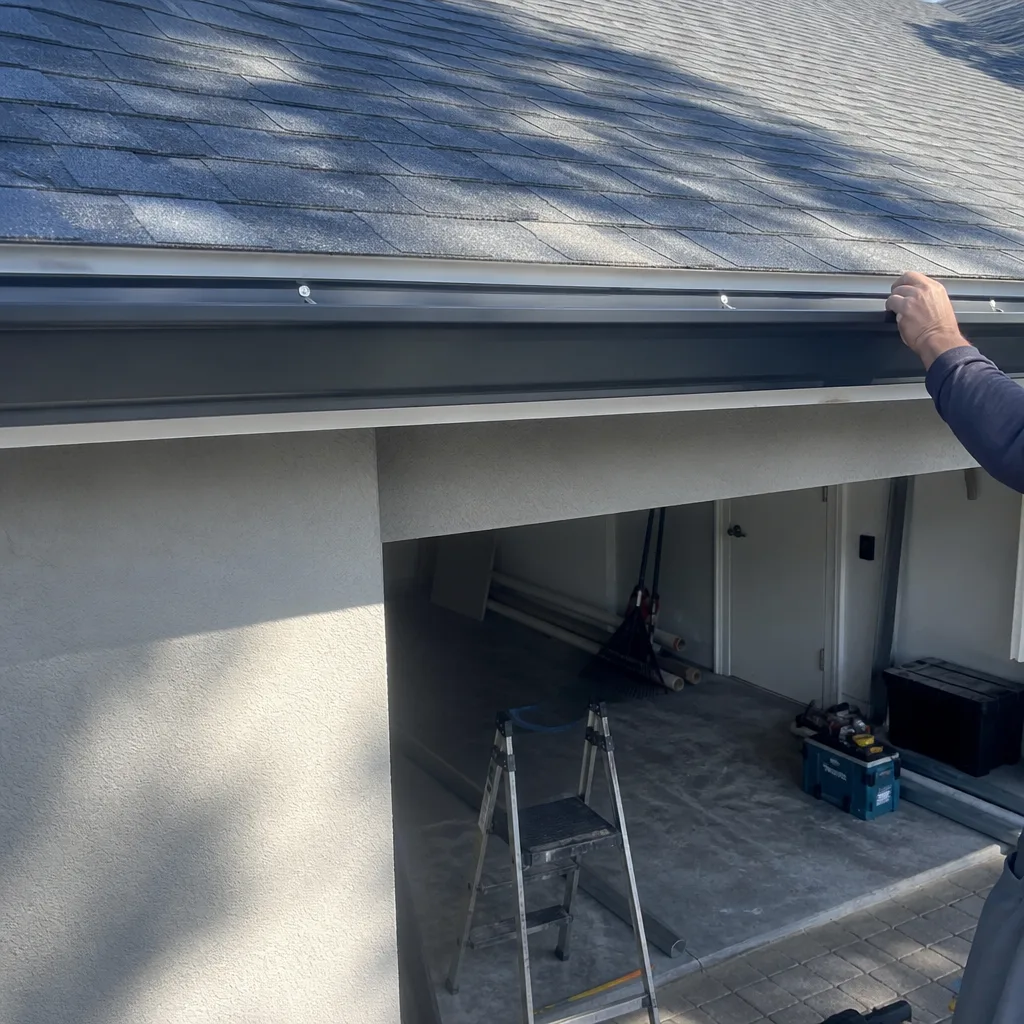
- Inspect the drip edge. The drip edge is the metal strip along your roof’s perimeter that directs water into gutters rather than behind fascia boards. In neighborhoods throughout Orlando, we regularly find drip edges pulled away from the roof deck during winter wind events, and homeowners don’t notice until water stains appear on soffits in July.
- Test gutters and downspouts. Summer rainfall in Orlando can exceed two inches per hour. A clogged gutter that handles spring fine will overflow in a June thunderstorm, pouring water directly against your foundation and splashing up onto fascia and soffit boards.
If you complete this checklist and find anything suspicious, a written inspection report from a licensed roofing contractor is the right next step; see How to Hire a Roofing Contractor in Orlando: A Step-by-Step Guide for what to look for. At Mercer Roofing, every inspection is followed by a written price before any work starts, so you know exactly what you’re dealing with before you spend a dollar.
Active Storm Season (June – September): What to Assess Safely After Each Storm
From June through September, Orlando gets afternoon thunderstorms with brutal regularity. Some are quick downpours, but a few each summer will bring driving wind, hail, and enough rain to test every seal on your roof. The homeowners who fare best in this season are the ones who do a quick, safe ground-level assessment after each significant storm event, rather than waiting for a leak to appear inside the house.
Here is what you should do after each major storm, in order:
- Walk the perimeter of your home. Look for shingle tabs, pieces of flashing, or debris in the yard. If you find shingle pieces, photograph them where they lie before moving them. The pattern of debris tells a roofer what part of the roof was hit hardest.
- Inspect gutter downspout area. After a heavy storm, check the ground beneath each downspout for granules. Asphalt shingles shed granules naturally, but a sudden accumulation of granules after a single storm is a sign of impact damage.
- Look at the roof from the street and back corners of the yard. Using binoculars, scan for lifted or missing shingles, dented flashing, or anything that looks different from before the storm. You don’t need to get on a ladder for this.
- Check interior ceilings and attic. If it’s safe to do so, go into your attic with a flashlight and scan the underside of the roof deck for water stains, damp insulation, or daylight coming through. Stains may not appear for days, so if you don’t see anything immediately, check again 48 hours later.
- Document everything before any repairs. This is the step most Orlando homeowners skip, and it costs them real money at claim time. More on this below in the insurance documentation section.
We want to be direct about safety here: after a major storm, do not climb onto your roof. Wet shingles are slippery, wind gusts can knock you off balance, and a fall from even a single-story Orlando ranch house can cause life-changing injury. Assessment from the ground and from inside your attic is enough to know whether you need to call a professional. If you see signs of damage, that professional roofing company should be the one doing the ladder work.
During active storm season, we get hundreds of calls from homeowners who ignored a small leak in July and found a sagging ceiling by September. Water intrusion compounds quickly in Florida humidity, and mold starts within 48 – 72 hours. A small flashing repair that costs $250 – $500 in July becomes a $3,000 – $6,000 decking and drywall repair by September. This is why the post-storm assessment matters so much.
Post-Storm Recovery (October – November): The Most Important Maintenance Window of the Year
If there’s one section in this guide we want every Orlando homeowner to take seriously, it’s this one. October and November are the most important maintenance window of the year for Central Florida roofing, because this is when the damage done during summer becomes visible and fixable before the dry season locks it in.
Here’s what happens in Orlando during summer: daily thermal cycling expands and contracts your roof materials, afternoon storms push water against every seam, and high winds flex your shingle edges. Most of the damage is incremental, small failures that never show up as a dramatic leak. But each one creates a path for water intrusion that will be exploited repeatedly over the following wet seasons.
The October – November post-storm recovery window gives you the chance to find and fix all of this before the dry season, and here is the specific checklist we recommend:
- Schedule a professional roof inspection. After five months of daily storms, your roof has taken more cumulative stress than any other season. A professional inspection in October or November will find lifted shingles, cracked flashing, loose fasteners, and granule loss that haven’t yet caused interior leaks.
- Check the underside of your roof deck. Your roof deck is the plywood or OSB layer beneath the shingles. Summer humidity combined with any small leak can rot decking slowly, and by October the rot may be visible from inside the attic. Catching decking rot in November means a $400 – $800 repair instead of a full deck replacement down the road.
- Re-seal exposed nail heads and small penetrations. During wind events, shingles can lift enough to expose nail heads beneath them. Once exposed, those nails rust, the rust expands, and the shingle loosens further. Sealing them in October stops a cycle that otherwise accelerates through the next wet season.
- Clean your gutters before oak season peaks. More on this below, but October is the right time to get gutters fully cleared before the oak canopy starts dumping leaves in December.
- Document your roof’s condition with photos. This one is counterintuitive, but it matters. A dated set of November photos showing your roof in good condition helps any insurance claim the following summer, because you can prove what pre-storm condition looked like.
Homeowners who skip this October – November window are the ones who call us in June with leaks that started six months earlier and have been quietly rotting their decking and insulation the entire time. The repair is always bigger, the invoice is always higher, and the inconvenience is always worse.
Dry Season Opportunity (December – March): The Repairs That Are Easier, Cheaper, and More Durable in Cool Dry Weather
Orlando’s dry season, running roughly from December through March, is the best possible time to complete actual roofing work. The weather is cool enough to keep shingles flexible and workable, dry enough to get proper adhesive bonding, and stable enough to schedule jobs without weather delays.
But here is the counterintuitive part that most homeowners miss: the dry season is the wrong time to do storm repair work, because there hasn’t been a storm in months. The damage you see in March is actually leftover from the previous summer, and it should have been addressed in October or November. The right work for the dry season is deliberate, planned upgrades and replacements.
Specifically, the dry season is when these jobs go most smoothly in Orlando:
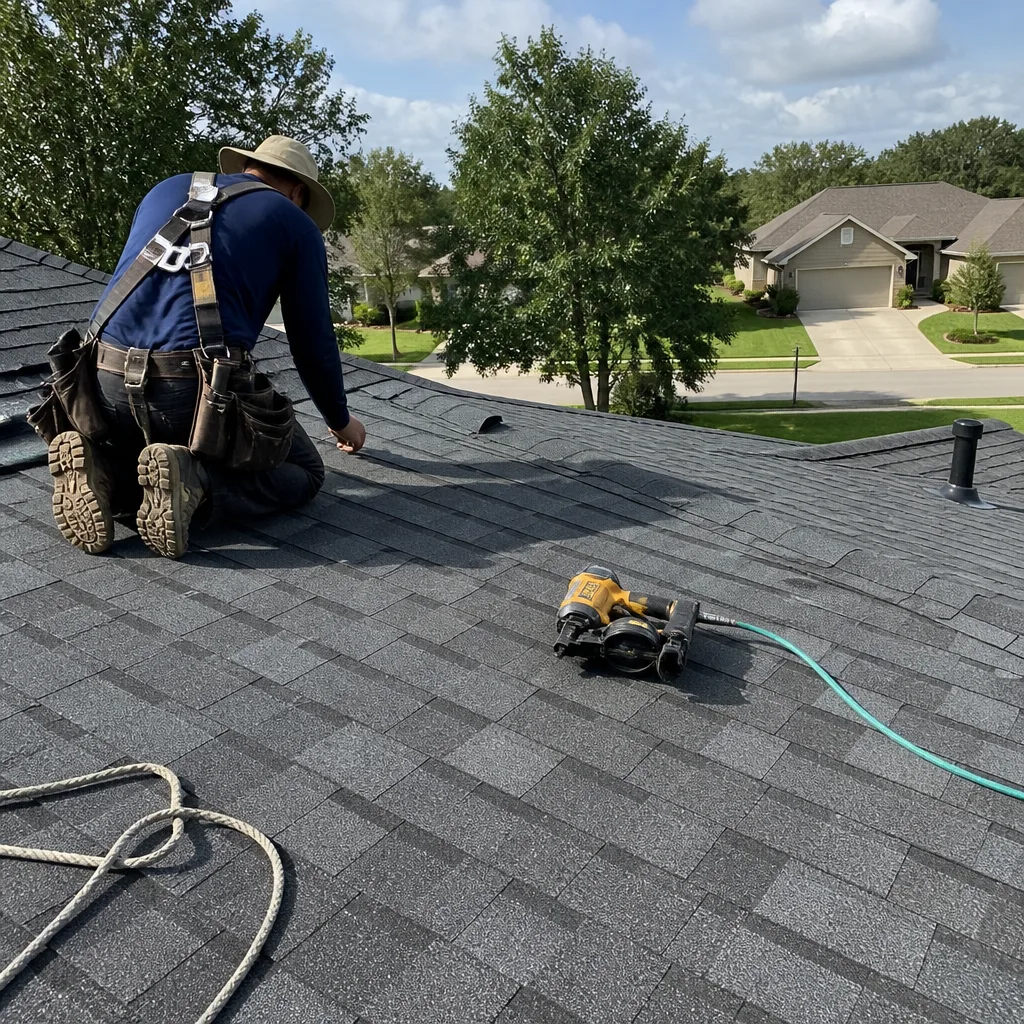
- Full roof replacements. If your roof is approaching the end of its service life (15 – 20 years for most asphalt shingle roofs in Central Florida), a January or February installation means the shingles seal perfectly in mild temperatures and the new roof is fully water-tight before the first June thunderstorm. The same job in August creates sealing challenges from extreme heat and humidity.
- Flashing replacements. Flashing work done during the dry season bonds and seals correctly the first time. Done during humid summer months, sealants can fail to cure properly and leaks re-appear within months.
- Attic ventilation upgrades. Installing ridge vents, soffit vents, or solar-powered attic fans is much more comfortable work in January than July, and the installation itself is more durable when materials are worked in moderate temperatures.
- Skylight and chimney flashing rework. These are precise, detail-heavy jobs that benefit from a roof that is completely dry and a work crew that is not fighting afternoon thunderstorms.
If you’re considering a new roof installation in Orlando, the dry season is your window. Mercer Roofing Co Orlando runs our replacement crews heavily from December through March, and we’ve noticed over years of Central Florida work that the difference in long-term durability between a January installation and an August installation is measurable. It’s not that summer installs fail, but dry season installs simply have every advantage working in their favor.
One thing to know: because the dry season is the best time for this work, reputable Orlando roofing companies book out weeks or months in advance. If you know you need a replacement, get on the schedule in November or December rather than waiting until February and hoping for availability before wet season returns. Our phone lines at Mercer Roofing are answered by a live person 24/7, and our scheduling staff will tell you honestly what our calendar looks like.
Orlando’s Oak Canopy: A Separate Seasonal Hazard Cycle That Doesn’t Follow the Rain Calendar
Here is something national roofing guides never mention but every Orlando homeowner learns eventually: our live oak canopy creates its own roofing hazard cycle that runs counter to the rain calendar. The trees that give our neighborhoods their character, places like College Park, Winter Park, Delaney Park, and Audubon Park, are also dropping leaves, acorns, and small branches onto roofs in a pattern that has nothing to do with summer storms.
Live oaks in Central Florida are semi-evergreen, meaning they drop leaves not in the dramatic autumn burst you see up north, but in a continuous trickle from roughly November through March. The heavy drop happens in late winter when new spring growth pushes old leaves off. This means:
- Gutters accumulate debris during the months when it rains least. By the time wet season returns in June, many Orlando gutters are packed with rotted oak leaves that have been sitting there for months.
- Valleys and low-slope areas collect leaf piles. Oak leaves are waxy and slow to decompose. A pile of oak leaves in a roof valley holds moisture against the shingles for months, accelerating granule loss and eventual shingle failure.
- Acorns clog downspouts. Acorns are dense and don’t wash through like leaf debris. A downspout clogged with acorns can back up an entire gutter run, causing water to pour over the gutter edge and splash against the fascia and soffit.
- Small branches scratch shingle surfaces. During winter wind events, oak branches rub against roof surfaces, wearing away granules in concentrated areas. Over time, these wear patterns become the first places to leak.
The right timing for oak canopy maintenance is a February gutter cleaning, followed by a May gutter check. February clears out the majority of the leaf drop. May catches anything that came down in March and April and makes sure your gutters are actually ready for the daily summer downpours. In our experience fixing roof leaks across Orlando, a surprising percentage of summer water damage starts not with a roof failure, but with a gutter failure caused by oak debris.
If you have large oaks overhanging your roof, we recommend trimming branches back at least 6 – 10 feet from the roof surface. This reduces leaf accumulation, prevents branch-on-shingle abrasion, and limits the amount of debris that ends up in your gutters each year.
Why Flashing Fails in Orlando and What to Check Every Season
Flashing is the unglamorous, invisible component of your roof system, and in our experience as a roofing company serving Orlando, it is the single most common point of roof failure in Central Florida. More leaks start at flashing than at shingles, more repairs involve flashing than any other component, and more homeowners don’t know what flashing is than any other roof part.
Here is the plain-English explanation. Flashing is the metal material that seals the seams where your roof meets something else, a wall, a chimney, a skylight, a vent pipe, or a valley where two roof planes meet. It’s typically made of galvanized steel, aluminum, or copper, and it’s sealed with a combination of mechanical fasteners and roofing sealant.
In Orlando, flashing fails for specific reasons that other climates don’t share:
- Thermal expansion cycles. Our summer sun heats metal flashing to 150 degrees or more on a roof surface, then afternoon rain cools it rapidly. This daily expansion and contraction works fasteners loose and cracks old sealant over a period of years, not decades.
- UV degradation of sealant. The roofing sealants used around flashing have a real service life in Central Florida sun. Once they start to chalk, crack, or pull away, water gets behind the flashing and then gravity does the rest.
- Humidity-driven corrosion. Our combination of heat, humidity, and occasional salt air makes metal flashing corrode faster here than in most of the country. Once corrosion starts, the metal becomes brittle and the seal fails.
Every season, walk your property and look at any visible flashing from the ground. Look for gaps between metal and wall, rust spots, missing sealant beads, or metal that appears bent or lifted. If you see any of these, a roof repair is the right call. At Mercer Roofing, every repair we make comes with a written guarantee included, and if that repair fails within 365 days, our 365-Day Done Right Promise means we make it right.
Documenting Storm Damage for Insurance: The Orlando Homeowner’s Sequence
If a major storm damages your Orlando roof, the sequence in which you document, repair, and file matters more than most homeowners realize. Getting this wrong can cost you thousands of dollars in denied or reduced claims.
Here is the correct sequence:
- Document the damage before any repairs. Take dated photos of everything: fallen shingles, debris patterns, interior water stains, granule accumulation in gutters. Insurance adjusters need to see the damage state, not the repaired state.
- Prevent further damage. If water is getting into your home, you have a duty to prevent additional damage, and most policies require it. This means tarping, temporary sealing, or any other reasonable step to stop active water intrusion. Document the temporary measures you take as well, because the cost of mitigation is often covered.
- Call your insurance company to report the claim. Report the claim before scheduling permanent repairs. Most policies require prompt notice, and waiting weeks can jeopardize coverage.
- Get a written repair estimate from a licensed Orlando roofing contractor. This estimate gets compared against the adjuster’s assessment. Having a professional, line-item estimate from a reputable local company like Mercer Roofing gives you a benchmark for what the repair should actually cost.
- Complete permanent repairs once the claim is approved. The adjuster has documented, the claim is approved, and then the repair work gets done. Repairs done before this point can sometimes be paid, but they’re always harder to get reimbursed.
The biggest mistake we see in Orlando is homeowners completing repairs first and then trying to file a claim with only “after” photos. The adjuster has no evidence of what the damage was, and the claim gets reduced or denied. Photograph first. Always.
Common Mistakes to Avoid
- Treating national seasonal guides as applicable to Orlando. Most roofing maintenance guides were written for four-season climates with snow, ice dams, and falling leaves in October. Orlando’s real calendar is wet season and dry season, with oak debris running on its own schedule. A homeowner following a Minnesota-style guide will be doing the wrong things at the wrong times.
- Skilling the October – November inspection. This is the single most expensive mistake in this guide. Post-storm recovery is when hidden damage is cheapest to fix. Skip it, and you’ll find the same problems in June at three times the repair cost.
- Walking your own roof after a storm. Wet shingles, moss, and loose granules are genuinely dangerous. The fall risk is not worth the assessment information you’d gain. Ground-level photos and attic checks are enough to make an informed decision.
- Filing insurance claims after repairs are already complete. Adjusters cannot properly assess damage that has been fixed. Photograph everything first, file the claim, then repair.
- Cleaning gutters only once per year. In Orlando, that’s the minimum for a house with no trees. If you have oak canopy, twice per year is the floor, and February plus May is the right timing.
- Ignoring small flashing gaps. A half-inch gap in flashing sealant looks like nothing from the ground. In a two-inch-per-hour Orlando thunderstorm, that gap channels water directly behind the flashing and into your roof deck. By the time you see a ceiling stain, the repair is sheetrock, insulation, and possibly decking, not just flashing.
When to Call a Professional
Some roofing work in Orlando is safe and sensible to handle yourself, like ground-level gutter debris removal and visual inspections with binoculars. But there are specific situations where calling a professional is the only responsible choice, as we detail in DIY vs Professional Roofing: The Orlando Homeowner’s Decision Guide. Call a roofing contractor if you see water stains on your ceiling or walls, if you find granule accumulation in your gutters after a single storm, if you can see lifted or missing shingles from the ground, or if your roof is more than 15 years old and has never had a professional inspection. Also call if you’re not sure. Mercer Roofing Co Orlando offers free estimates in Orlando, and every inspection includes a written price before any work starts, so you can call (850) 757-3564 and know exactly what you’re dealing with before you spend a dollar. Our technicians are background-checked, identity-verified, and arrive in marked uniforms with photo ID badges, because we know that who walks through your door matters as much as what they fix.
Frequently Asked Questions
For most Orlando homes, twice per year is the right cadence: once in April or May before wet season begins, and once in October or November after wet season ends. Homes with heavy oak canopy or roofs over 15 years old may benefit from a third check in February focused on gutter and valley debris. A professional inspection at each of these transitions catches problems in their cheapest-to-fix stage. Call (850) 757-3564 to schedule a free estimate from Mercer Roofing Co Orlando.
For Orlando homeowners, expect to pay $150 – $350 for a professional roof inspection, $100 – $250 for gutter cleaning on a typical single-story home, and $250 – $1,500 for common flashing or shingle repairs depending on the scope. Full roof replacements in Orlando typically range from $8,000 – $18,000 for asphalt shingles depending on roof size and shingle brand. These are realistic numbers for the current Orlando market. Every Mercer Roofing job starts with a written price before any work begins, so you’ll have exact figures, not ranges, before you commit.
With Mercer Roofing, no. We provide a written price before any work starts, and that price is the price on your invoice, no surprises, no change orders unless you request additional work. This is part of what makes us different from some of the roofing companies Orlando homeowners have learned to distrust. Call (850) 757-3564 and ask for a written estimate; we’ll put it in writing before a single shingle is touched.
You don’t have to be home for us to inspect or repair your roof, but if you are home, you’ll receive our technician’s name and photo before they arrive, and they’ll present a photo ID badge at the door. This is our Threshold Verified standard, and it exists because we know that opening your door to a stranger is a genuine concern for many Orlando homeowners, especially people who are home alone or have young children.
We install and repair using manufacturer-recognized shingle brands including GAF, CertainTeed, Owens Corning, IKO, Atlas, Tamko, and Boral. The right choice for your Orlando home depends on your roof pitch, budget, and aesthetic preferences, and we’ll discuss options without pushing you toward any single brand.
Most asphalt shingle roof replacements in Orlando take 2 – 5 working days depending on roof size, complexity, and weather. During the dry season from December through March, we schedule most cleanly. During summer months, afternoon thunderstorms can add a day or two to any job. We always give you a written timeline along with your written price before work begins.
The Bottom Line
Orlando roofs fail on a predictable schedule that has nothing to do with the four-season calendar national guides describe, as covered in The Complete Guide to Roofing in Orlando. Wet season tests everything from June through September; the October – November window is when hidden damage becomes visible and cheap to fix; the December – March dry season is when replacement work goes most smoothly; and the oak canopy runs its own debris cycle that demands February and May gutter attention. A homeowner who follows this rhythm, with professional inspections at the two critical transitions, will replace major roof repairs with minor maintenance and know their roof is ready for whatever Orlando throws at it. The next step, if you haven’t had your roof professionally inspected this season, is a free estimate from Mercer Roofing Co Orlando. Call (850) 757-3564 and a live person will answer, 24 hours a day, every day.
Written by Grant Whitlock, Owner at Mercer Roofing Co Orlando, serving Orlando since 2000.
See the difference
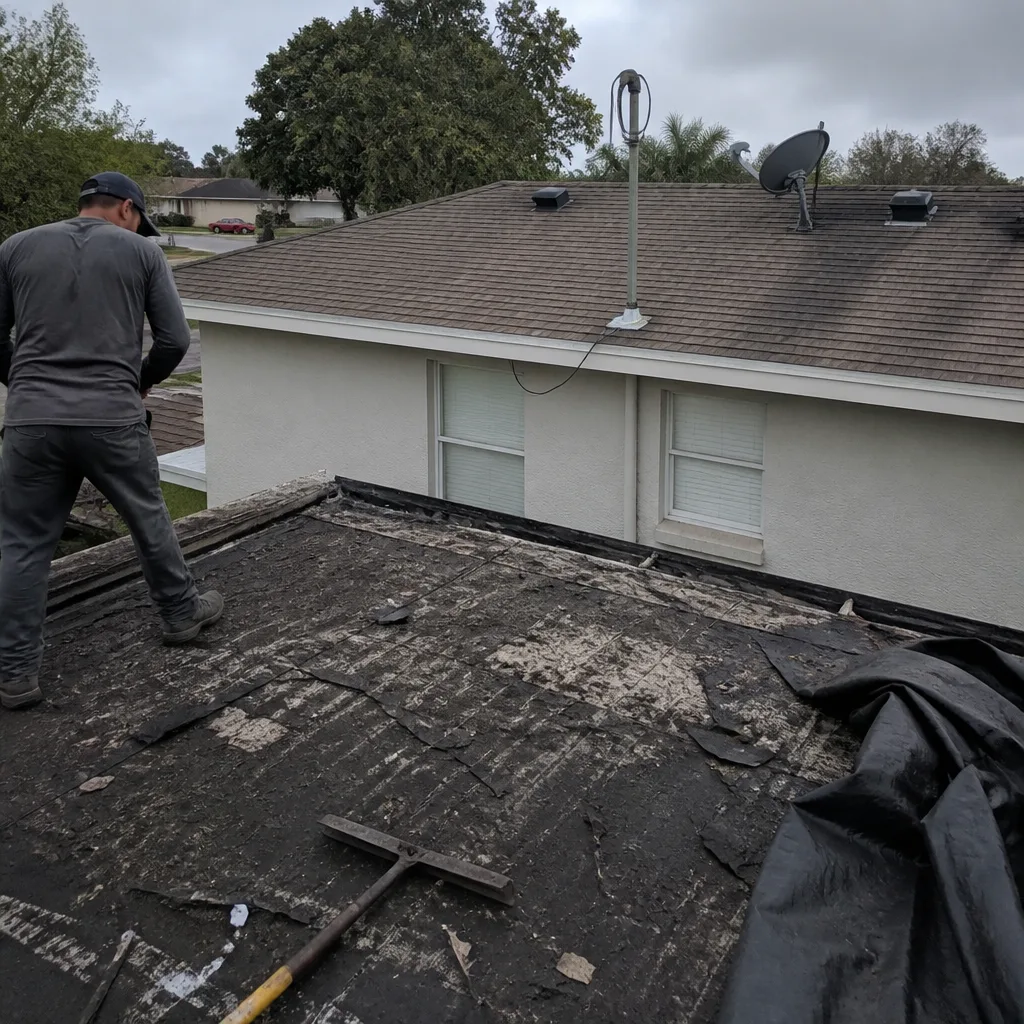 Before
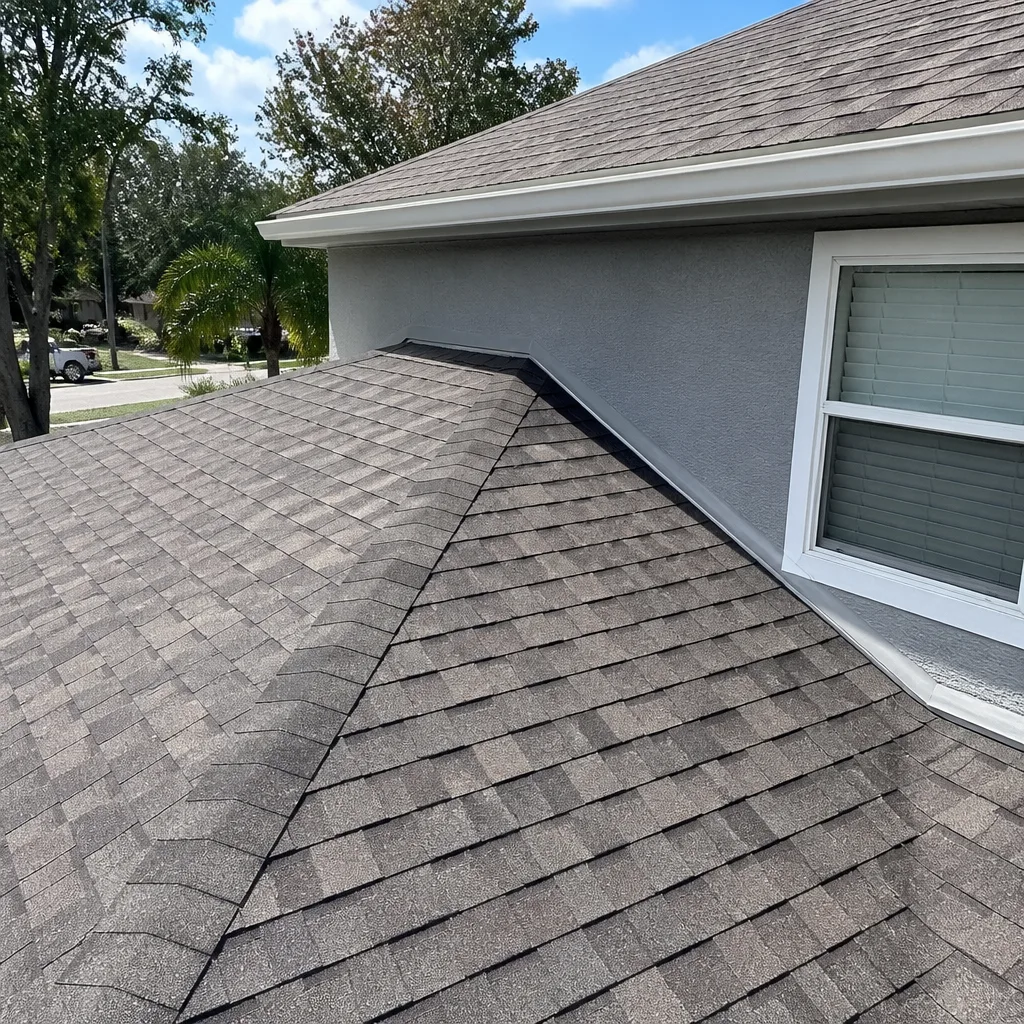 After
After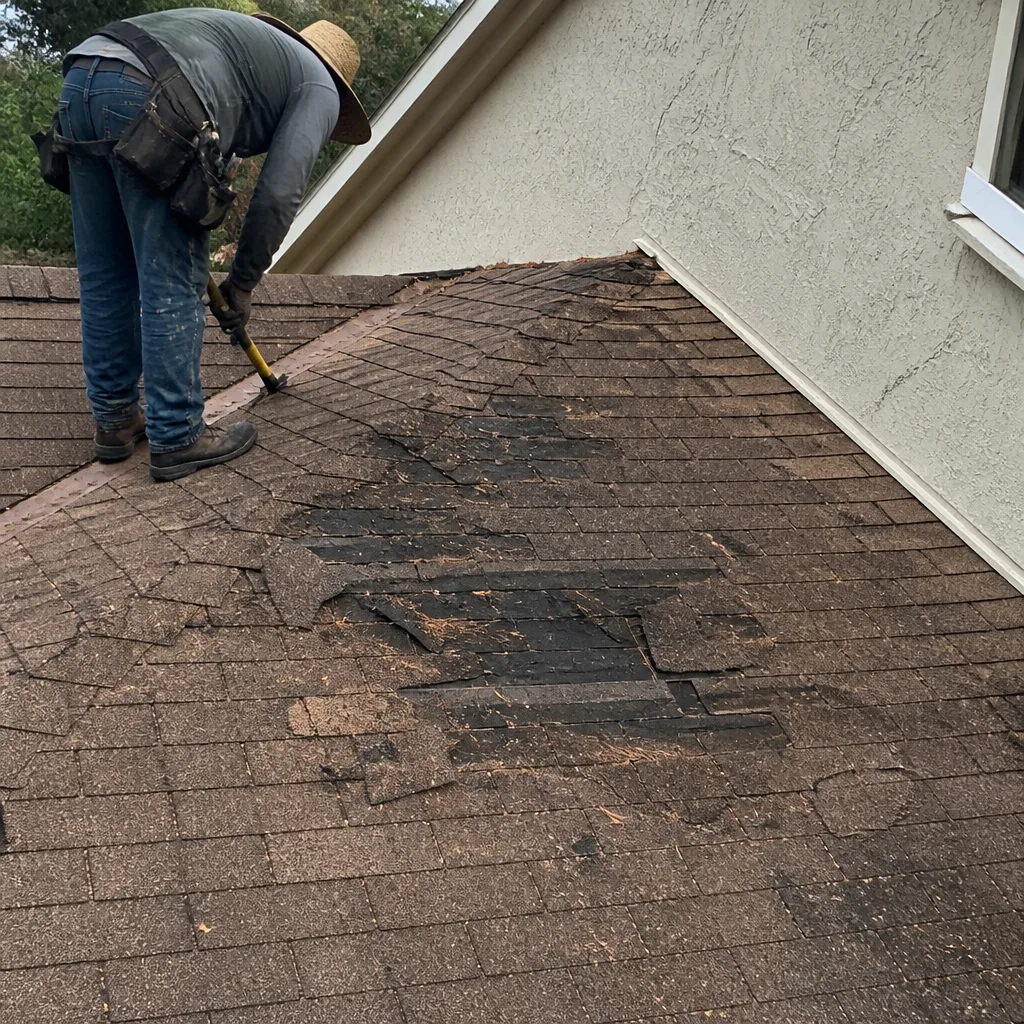 Before
 After
After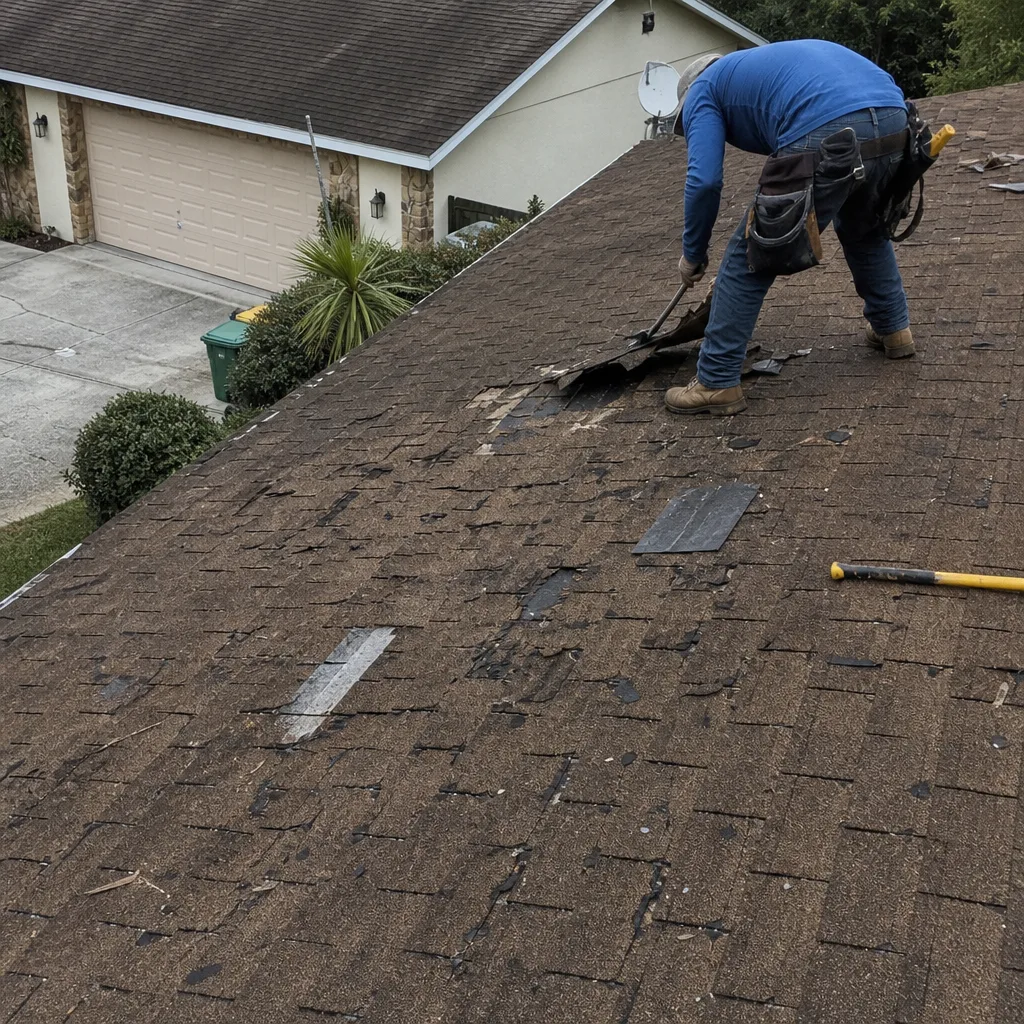 Before
 After
After