
Last updated October 17, 2026
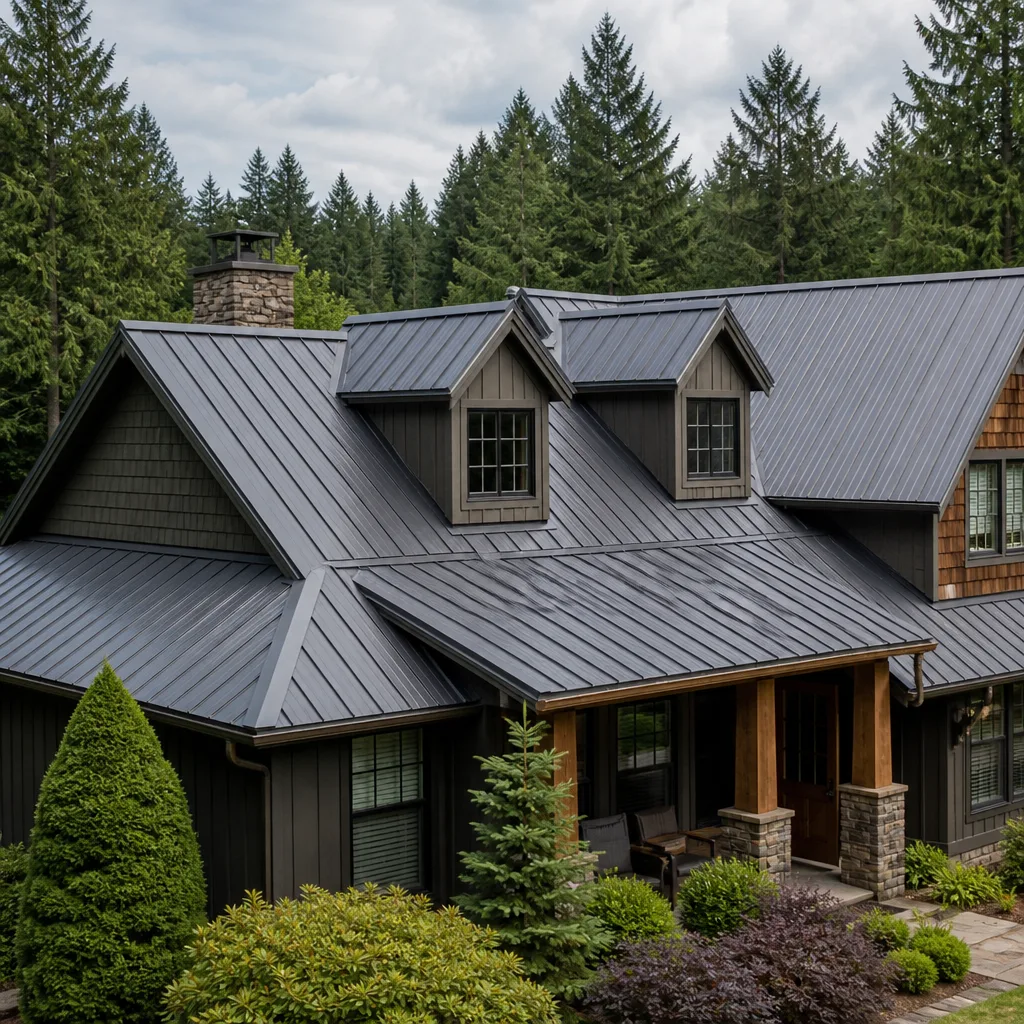 Metal roofing
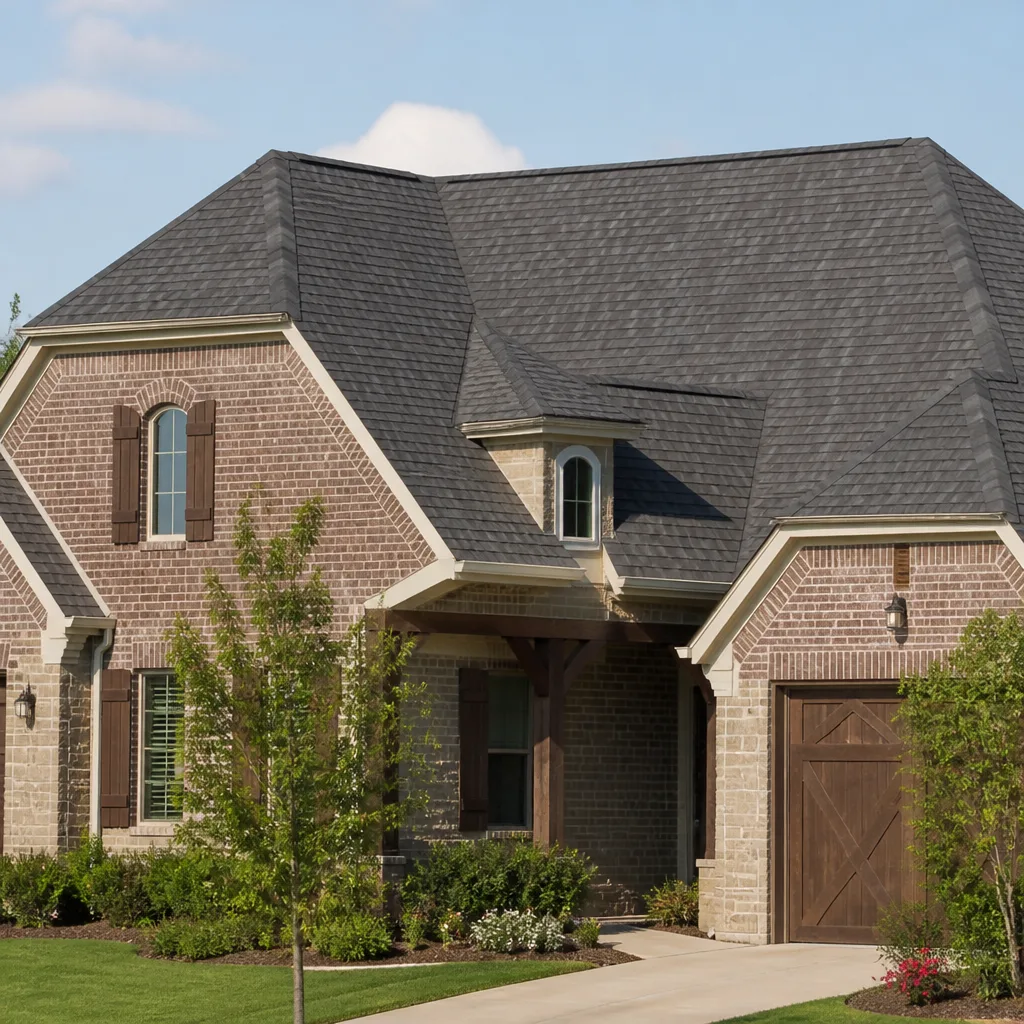 Architectural shingles
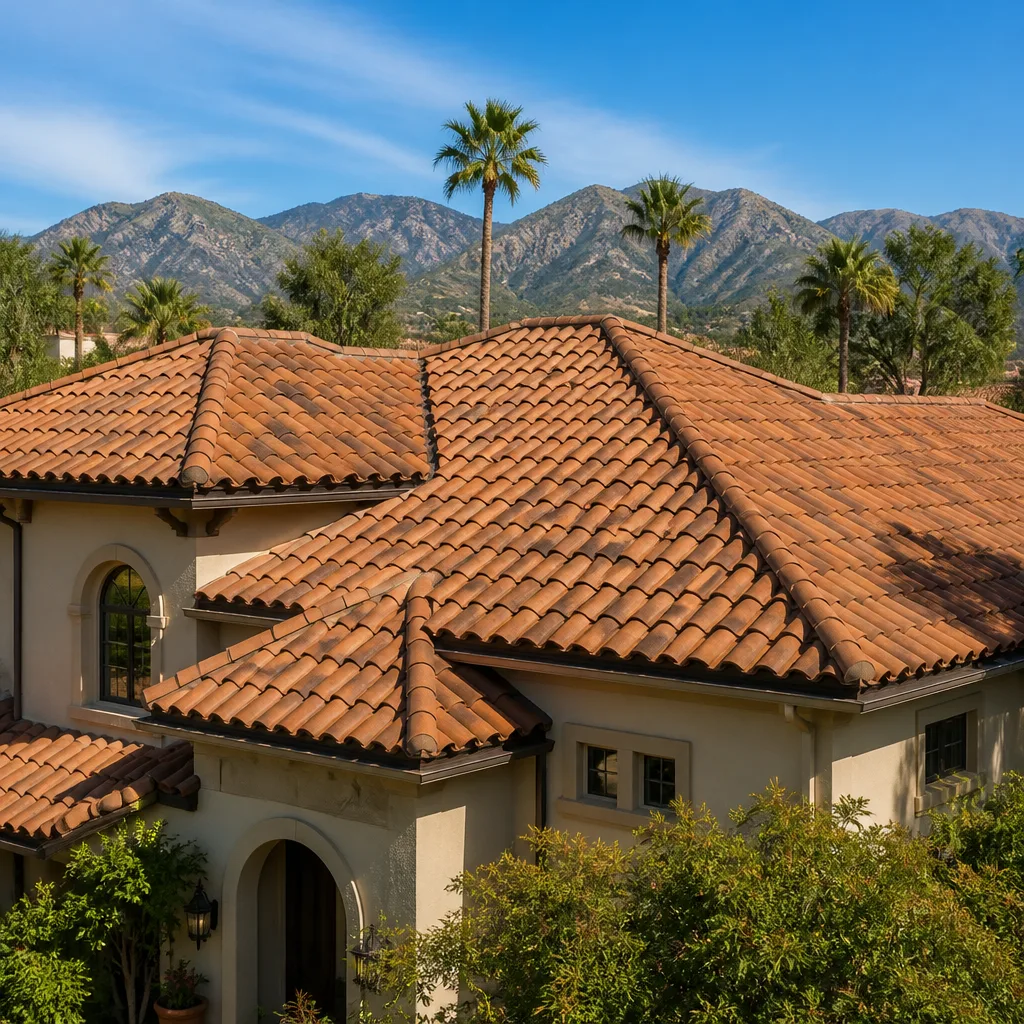 Tile roofing
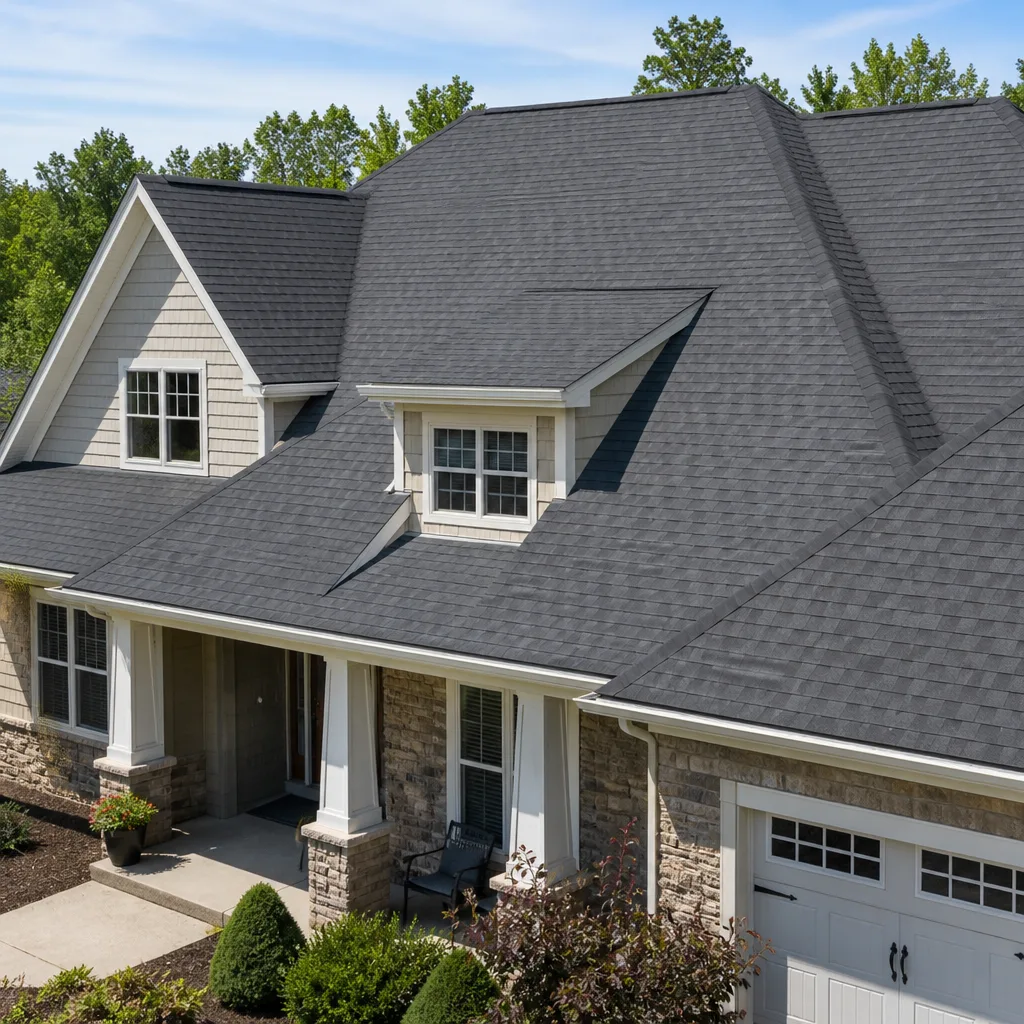 GAF
GAF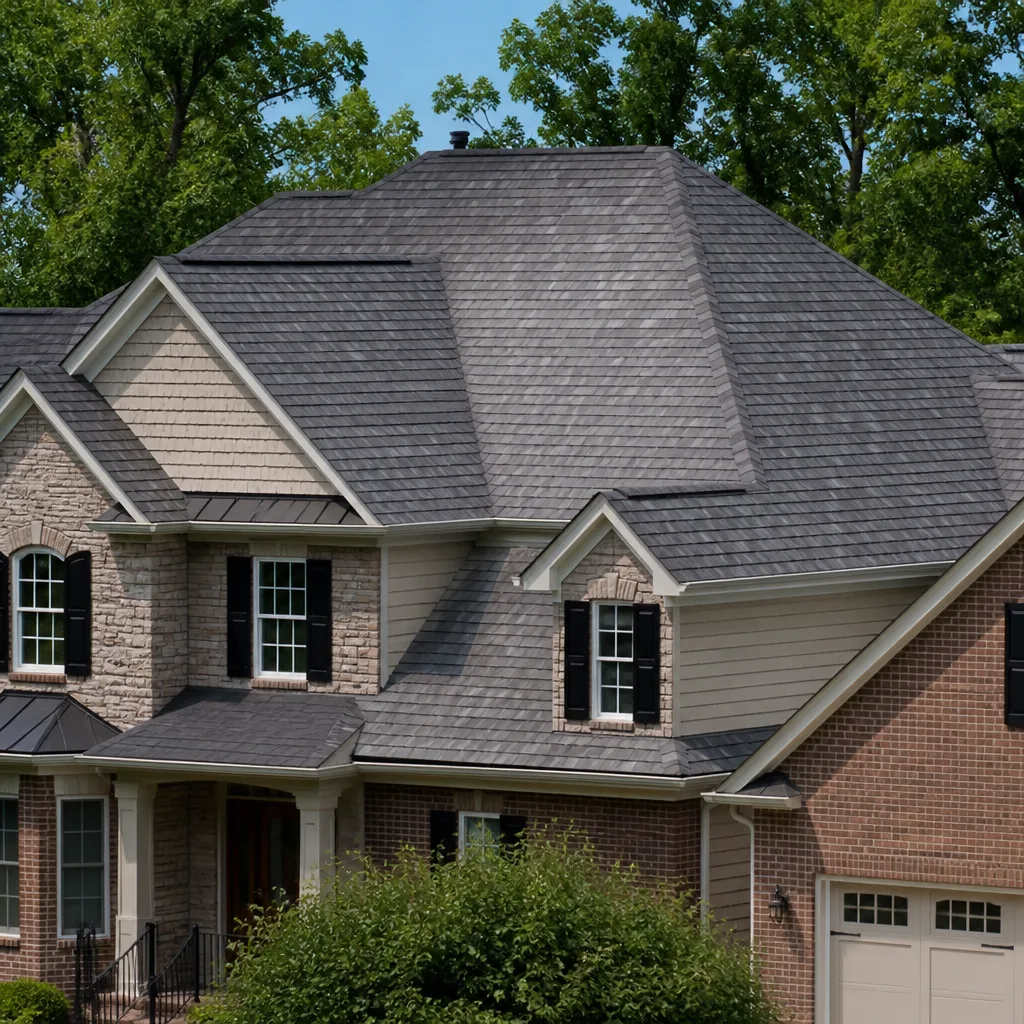 Owens Corning
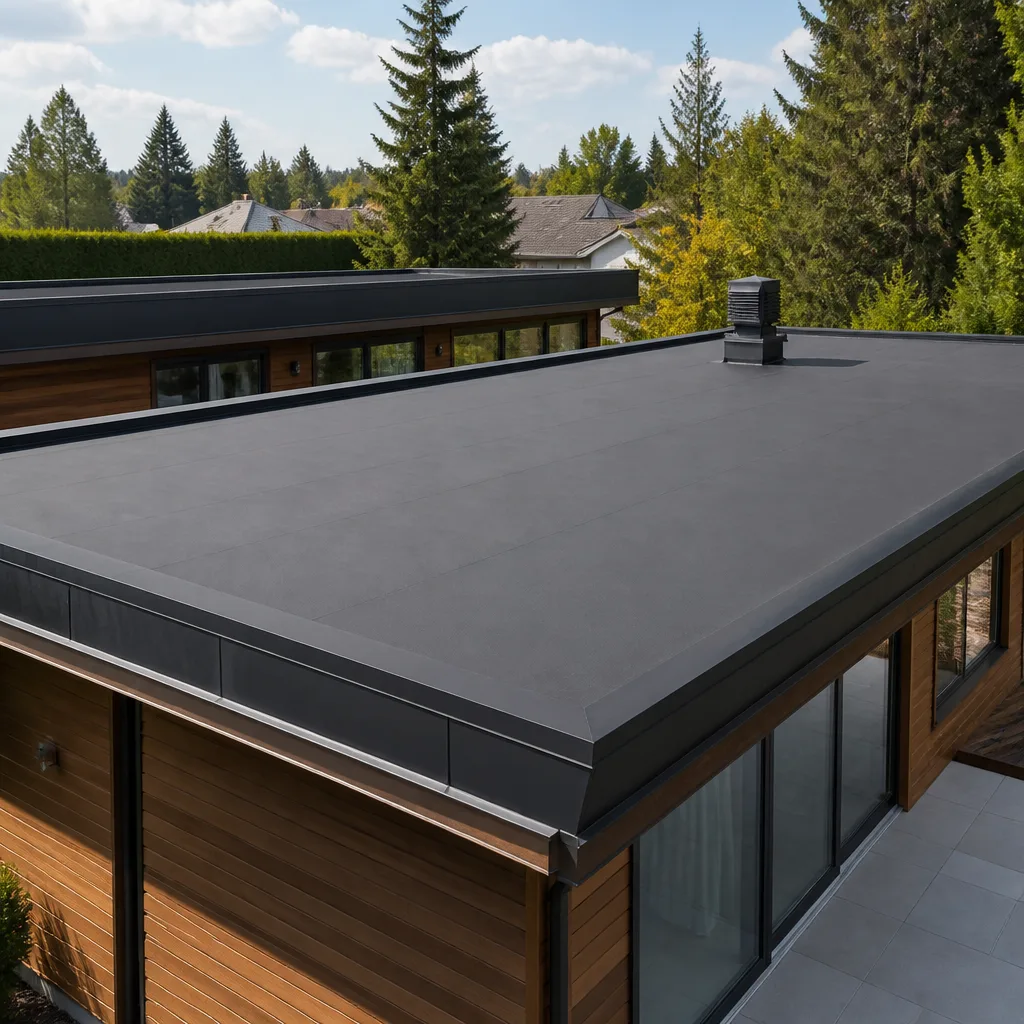 Flat & low-slope
Free roof inspection with deck photos before we talk money - GAF and Owens Corning certified installation
The Complete Guide to Roofing in Orlando
Orlando roofs endure 2,500+ hours of direct UV exposure every year, nearly double what a roof in Chicago faces, yet most “Florida roofing” advice still leads with hurricane prep and barely mentions what’s actually destroying your shingles month after month: ultraviolet radiation. This guide is different. We’ve spent 25 years watching Orlando weather do its work, and we’ll walk you through what the climate actually does to a roof over 5, 10, and 20 years, how insurance changes have altered the material conversation, and how to read an estimate line by line so nothing surprises you. For more guides & resources, see our full blog. By the end, you’ll know more about Orlando roofing than most salespeople who knock on your door.
Quick Answer
Roofing in Orlando is a different animal than general Florida roofing advice suggests. The dominant threats are UV granule loss, thermal cycling cracks from daily temperature swings, and afternoon thunderstorm water intrusion, in that order. Homeowners should expect a quality asphalt shingle roof to last 16 – 20 years here, not the 25 – 30 years manufacturers print on wrappers, and should prioritize UV-reflective shingles, proper attic ventilation, and working with a roofer who writes down every price and guarantee before the first nail is driven.
Styles & brands we work with
Table of Contents
- Why Orlando’s Climate Is Harder on Roofs Than Most Homeowners Realize
- The Real Sequence of Roof Failure in Central Florida
- Orlando Microclimates: Lakefront vs. Inland vs. Near-Coast Roofing
- How Florida’s Insurance Market Changed What Roof You Can Buy
- Roofing Materials That Actually Hold Up in Orlando
- How to Read an Orlando Roofing Estimate Line by Line
- Warranty Reality: What Your Roof Looks Like in Year 15
- Common Mistakes to Avoid
- When to Call a Professional
- Frequently Asked Questions
Why Orlando’s Climate Is Harder on Roofs Than Most Homeowners Realize
Orlando sits in a band of the country where roofs age faster than almost anywhere else. Homeowners frequently tell us “my last roof should still be under warranty,” and they’re usually right about what the paper said. What the paper can’t account for is what 2,500 hours of solar exposure per year does to asphalt shingle granules. UV radiation breaks down the asphalt’s binding oils slowly and steadily. The granules, which are stuck to the shingle surface to block UV, begin loosening within 8 to 10 years in Orlando’s climate. Once granules are gone in patches, the asphalt underneath cooks, shrinks, and splits.
Then there’s the second factor: thermal cycling. Orlando regularly swings 20 to 30 degrees between night and day, especially in spring and fall. Roof decking and shingles expand during the day and contract at night. Over thousands of cycles, this creates hairline cracks in shingles and slowly loosens fasteners. We see this in neighborhoods like College Park and Conway, where mature tree canopies drop the overnight temperature faster than surrounding areas, increasing the daily range a roof must absorb.
Third: afternoon thunderstorms. From June through September, Orlando gets a drenching nearly every afternoon, often with gusty winds and occasional hail. This isn’t the catastrophic wind event that makes the news; it’s the steady, repeated assault of water finding every small crack and seal breach. A roof that survived a hurricane can still leak slowly every summer afternoon if the flashing around a vent pipe has lifted a quarter inch.
Short version: UV degrades the materials, heat cycling opens the cracks, and thunderstorms push water through them. Fix or delay any one of the three and you’re miles ahead.
The Real Sequence of Roof Failure in Central Florida
Most homeowners assume roof failure starts with a big storm. In our Orlando experience, it starts much quieter. We’ve documented thousands of local roofs, and the progression is remarkably consistent. Understanding it helps you catch problems at stage one instead of stage three. Use our Roof Repair Maintenance Checklist for Orlando Homeowners to stay ahead of issues.
- Years 1 – 7: Granule erosion begins. Shingles look fine from the curb, but the fine protective grit starts washing into gutters after heavy rains. You may notice granules collecting at downspout outlets. This is early UV degradation. There’s no leak yet, no visible crack, but the shingle’s UV armor is thinning.
- Years 7 – 12: Surface cracking and cupping appear. Asphalt becomes brittle from repeated heating and cooling. Shingle edges begin to curl upward slightly. Hairline cracks form along the granule-loss patches. Roof cement and pipe boot gaskets dry out and shrink, pulling away from penetrations.
- Years 12 – 16: Water intrusion begins. Afternoon thunderstorms find the openings: lifted flashing, shrunken boots, cracked shingles over seams. Leaks often show up around bathroom exhaust fans, plumbing vents, and chimneys first. The roof decking in those areas gets soft and may need replacement when the roof is finally done.
- Years 16 – 20: Widely scattered failure. Patches of shingles are gone or severely degraded across the roof. Leaks appear in multiple rooms. Repairs become temporary instead of permanent. Full roof replacement is the only sensible option.
This sequence is why our Roof Repair in Orlando team recommends an inspection at year 8 even if everything looks fine from the street. That’s typically when small, cheap fixes buy you three to five additional years before replacement.
Orlando Microclimates: Lakefront vs. Inland vs. Near-Coast Roofing
Orlando is not one climate. The city’s hundreds of lakes, its urban heat island, and its distance from the Atlantic each shape how a specific roof ages. General Florida advice misses this. We don’t.
Lakefront neighborhoods (College Park, Delaney Park, Lake Eola Heights, Baldwin Park)
Homes on or near Orlando’s lakes face elevated morning humidity and more frequent condensation on roofing surfaces. Algae staining, those black streaks you see on light-colored shingles, is dramatically worse here. Algae doesn’t destroy a roof quickly, but it accelerates granule loosening and is what homeowners usually notice first. Lakefront properties also see higher wind gusts across open water. We specify algae-resistant shingles and extra sealant on lakefront homes more often than anywhere else in the city.
Inland suburban areas (MetroWest, Pine Hills, Hunters Creek, Lake Nona)
These areas get the worst of Orlando’s thermal cycling because they’re farther from the moderating effects of large lakes or the coast. Daily temperature swings are bigger, which means faster shingle embrittlement. Afternoon thunderstorms tend to be more severe inland, as sea breezes collide over the city’s interior. In our experience, roofs in Hunters Creek and Lake Nona show granule loss 2 to 3 years earlier than comparable roofs in lakefront districts.
Near-coast zones (eastern Orange County, Avalon Park, Wedgefield)
Closer to the coast, roofs face higher sustained wind, salt-laden air (mild at this distance, but present), and more frequent cloud cover that slightly reduces UV but not by much. Wind-driven rain finds flashing weaknesses faster here. We use more roof cement and better flashing details on east Orange County homes than we typically need near downtown Orlando.
Bottom line: where you live in Orlando changes what your roof needs. A good roofer asks which neighborhood you’re in before recommending a material upgrade.
How Florida’s Insurance Market Changed What Roof You Can Buy
Here’s what most national roofing guides won’t tell you: the Florida insurance market’s turbulence over the last five years has rewritten which roofing materials are approvable, how much coverage costs, and whether your premium will double after a checkup. If you’re choosing materials before an insurance inspection, choosing wrong costs you real money.
Florida carriers have tightened requirements on roof age, material, and installation method. Some will not renew a policy on a home with a shingle roof older than 15 years, full stop. Others require a wind mitigation inspection that your roof must pass, and the inspection now looks closely at whether the roof was installed to current code: secondary water barrier, proper nailing pattern, correct flashing details. A roof installed 15 years ago in Orlando may not meet those standards even if it looks fine.
What this means for you, the Orlando homeowner before you buy:
- Documentary proof matters. Keep the invoice, the permit record, and the final inspection. Insurers ask.
- Certain shingle ratings reduce premiums. Some carriers offer discounts for shingles with a Class 4 impact rating or specific wind ratings acceptable under Florida Building Code.
- Secondary water barrier is now essential. If your roofer doesn’t mention “SWR” or “peel-and-stick underlayment,” ask about it. Insurers now view this as a baseline, not an upgrade.
- A 20-year-old roof may make your house hard to insure or sell, even if it looks fine. Buyers’ lenders ask about roof age now. We’ve had Orlando sellers replace roofs purely to close a sale.
The honest guidance from our Roofing Company in Orlando team: before you buy shingles, call your insurance agent. Ask what the carrier requires for renewal given your roof age and what materials or ratings might lower your premium. Carriers differ. Getting this wrong is a five-figure mistake.
Roofing Materials That Actually Hold Up in Orlando
When we recommend materials in Orlando, we think about the three pressures: UV, thermal cycling, and summer thunderstorms. Different materials fail differently.
Asphalt shingles (the right kind)
Still the dominant choice in Orlando, and a good one when you pick properly. Look for shingles with high granule adhesion and UV-stabilized asphalt. Lighter colors reflect more solar energy, which reduces roof surface temperature and slows degradation. In Orlando, we see light-colored GAF and CertainTeed shingles outperform dark Owens Corning equivalents by 3 to 5 years in identical neighborhoods. The color is not just aesthetic; in this climate it’s a lifespan decision.
Crucial detail that most guides skip: shingle manufacturer warranties have different wind and algae ratings. For Orlando’s humid, algae-prone environment, choose a shingle with a built-in algae inhibitor or accept that dark streaks will appear in year 5 on certain exposures, especially on north-facing slopes.
Tile (clay or concrete)
Tile roofs are common in Orlando’s Spanish-revival neighborhoods and hold up very well against UV. Tile doesn’t rot and doesn’t lose granules. However, tile is heavy, and the underlayment beneath it fails long before the tile does. A tile roof in Orlando typically needs underlayment replacement every 15 to 20 years, which requires lifting and reinstalling the tile. That’s a substantial line item. If you’re buying a home with a tile roof, ask about the underlayment’s age and type, not the tile’s age.
Metal roofing
Standing seam and metal shingle roofs are gaining ground in Orlando, and for good reason: metal shrugs off UV, doesn’t hold moisture, and reflects significant solar heat. A properly installed metal roof in Orlando can hit 40 to 50 years. The reasons more people don’t choose it: higher upfront cost and fewer contractors with genuine metal roofing experience. If you choose metal, verify your contractor does real standing seam work, not just screw-down panels over old shingles. Manufacturer brands like Boral’s steel shingle lines are impressive, but install quality decides longevity.
What we don’t recommend in Orlando
We’re cautious about wood shake. It warps under high humidity, is difficult to keep sealed, and many insurers now treat it as a liability or simply won’t cover it. For most Orlando homes, wood shake is not worth the fight.
How to Read an Orlando Roofing Estimate Line by Line
Every estimate you get in Orlando should read like a breakdown, not a single number. Vague estimates hide scope gaps. A written, line-item price is not optional; it’s the floor of a trustworthy job. Here’s what should appear, and what each line actually means:
- Tear-off and disposal. The cost to remove old shingles, felt, and any failed portions of decking, then haul and dump them. In Orlando, expect $1.50 – $3.00 per square foot depending on layers and dump fees. If this line is missing, the quote may not be for a true replacement.
- Decking repair or replacement. This is the plywood or OSB your shingles nail into. After 15-plus years of Orlando humidity, sections may be soft or delaminated, especially near valleys and penetrations. The estimate should state a per-sheet replacement price for decking that gets exposed and found unsound. This prevents the classic “change order surprise.”
- Underlayment. The layer between decking and shingles. For Orlando, insist on a synthetic, high-temp underlayment or a peel-and-stick secondary water barrier. The cheap builder-grade #15 felt is not enough for our summer nail-pull cycle.
- Drip edge. The metal flange that runs along the roof edges and rakes to direct water into gutters and away from fascia. It is required by code but sometimes omitted to save money on low-end bids. If you don’t see “drip edge” listed, ask. A missing drip edge in Orlando means fascia rot and critter access at the eaves.
- Ice and water shield. A rubberized, self-adhesive membrane applied in valleys, around chimneys, and along eaves and rakes. In Orlando, this is not for ice dams; it’s for wind-driven rain that sneaks under shingles at roof edges and in valleys. It should be on every Orlando estimate. If it’s not, that’s a red flag.
- Flashing replacement. Metal flashing around chimneys, skylights, vent pipes, and sidewalls. Old flashing is not reusable if you want a roof that lasts. The estimate should include new step flashing, counter flashing, and pipe boots. Beware of any bid that says “reuse existing flashing.”
- Ventilation. At minimum, the estimate should include replacement of mushroom vents or ridge vent, and attic intake should be addressed. In Orlando, poor attic ventilation pushes attic temps past 140°F in August, which cooks shingles from underneath and accelerates granule loss. We often add soffit venting or a solar attic fan to local homes.
- Permit and inspection fees. A proper Orlando roofing job requires a permit from the city or the county, depending on your address, and a passed final inspection. An estimate that says “permit extra” is not illegal, but it is a yellow flag. Ours include permit costs.
- Workmanship warranty. This is separate from the manufacturer material warranty. It should state the contractor’s guarantee period and what it covers. Ours is 365 days, in writing, on every repair and every full roof. Not “we stand behind our work.” A number. A period. A promise.
If you sit down to compare three Orlando estimates and one of them is missing half these lines, you’re not comparing apples to apples. You’re comparing one honest contractor against one who plans to charge for omissions later.
Warranty Reality: What Your Roof Looks Like in Year 15
The single biggest disconnect in Orlando roofing is between the manufacturer warranty and what your roof actually looks and performs like halfway through its paper life. Let’s close that gap.
Many architectural shingle manufacturers market a 25-year or “lifetime” warranty. That language means the manufacturer may cover material defects, prorated sharply after year 10, and only if the roof was installed exactly to their spec. It does not mean your roof will look new for 25 years, and it does not mean labor, flashing, or underlayment are covered. In Orlando’s sun, here’s what 15 years typically looks like on a well-installed asphalt shingle roof:
- Granule loss is visible on south-facing slopes and around roof edges. Shingle color has faded one to two shades.
- Some shingle edges are curled, and a few may have small cracks. From the street, the roof still looks acceptable.
- Algae staining is present unless the shingles had heavy algae inhibitors. North-facing and tree-shaded slopes look darker.
- Flashing and pipe boots are approaching the end of their service life. Without replacement, this is where Year 16 and 17 leaks start.
- Attic temps run higher than at install, since soffit vents often get painted over or blocked by blown-in insulation over the years.
In our Orlando experience, a well-installed quality shingle roof realistically delivers 16 to 20 years of dependable service here. A cheap, poorly installed roof can be in trouble by year 10. The warranty paper is not the product; the workmanship is. That’s why we put our own 365-Day Done Right Promise in writing on every job: if it’s not done right within a year, we make it right. No fight. No fine print.
Common Mistakes to Avoid
- Choosing the cheapest estimate without comparing line items. In Orlando, the low bid is usually missing underlayment, drip edge, or flashing replacement. The money comes back later with interest.
- Replacing shingles but reusing old flashing. Flashing corrodes and lifts in Orlando’s daily thermal cycling. Reusing it on a new roof means your most likely leak points are already 15 years old on day one.
- Ignoring attic ventilation. Many Orlando attics hit 130 – 150°F in summer. That heat bakes shingles from below and voids some manufacturer warranties. Ventilation is not an accessory; it’s part of the roof system.
- Choosing dark shingles for aesthetics. Dark shingles absorb more energy, run hotter, and age faster under Orlando’s sun. If you love dark charcoal, understand you’re trading a few years of lifespan for the look.
- Skipping the wind mitigation and insurance conversation. Replacing a roof in Orlando is the one time you can meaningfully lower your insurance bill and improve your home’s insurability. Do it wrong and the carrier may still mark the roof as “not current code.”
- Hiring a roofer who doesn’t send you the technician’s name and photo. You don’t know who is climbing up your roof. Mercer solves this: every technician’s name and photo is sent to you before arrival, and they badge in with photo ID at your door. No ID, no entry. It’s the simplest safety habit most Orlando homeowners never think to ask for.
- Believing the 25-year or “lifetime” print on the wrapper. In Orlando, material warranties are not performance predictions. Budget for a roof at year 17, not year 30.
When to Call a Professional
Call a professional roofer if you find granules collecting in your gutters, see daylight through your attic boards, notice water stains on ceilings after afternoon storms, or if your home’s roof is older than 12 years and has never had an inspection. Also call if your insurance agent has flagged your roof age as a renewal issue. What you don’t want to do is climb up and start prying at shingles or attempting sealant fixes yourself; Orlando’s roofs get slick with morning dew and afternoon rain, and a fall from even a single-story eaves is a serious injury. Instead, follow our How to Hire a Roofing Contractor in Orlando: A Step-by-Step Guide to find qualified help. For anything involving electrical conduits near the roofline or steep pitches above a 6/12 slope, leave it to a trained professional.
Mercer Roofing Co Orlando offers free estimates in Orlando. Call (850) 757-3564 to schedule yours. A real person answers, 24/7, and we’ll put the price in writing before any work starts.
Frequently Asked Questions
A full asphalt shingle roof replacement in Orlando typically ranges from $9,500 to $16,500 for a standard 1,800 to 2,400 square foot single-family home, depending on decking condition, pitch, and material grade. Tile and metal run higher. The exact number depends on what the tear-off exposes and which shingle line you choose. Call (850) 757-3564 for a written line-item estimate, free of charge.
In our Orlando experience, a well-installed architectural shingle roof realistically lasts 16 to 20 years before scattered failures begin, regardless of the 25-year or lifetime wording on the manufacturer wrapper. UV granule loss and thermal cycling are what shorten the lifespan here, not hurricanes.
Maybe, and more often every year. Many Florida carriers now require roofs older than 15 years to be replaced as a condition of renewal or new coverage, and some inspect for current-code nailing patterns and secondary water barrier. Before you buy materials, call your agent and ask what the carrier requires for your specific roof age and address.
For most Orlando homes, UV-resistant architectural asphalt shingles in a light or mid-tone color are the best balance of cost, lifespan, and insurer acceptance. Metal is excellent if the budget allows. Tile works well but the underlayment under it needs replacement every 15 to 20 years, which is a substantial project by itself.
Yes, but not for ice. In Orlando, ice and water shield is used in valleys, along eaves, and around penetrations to block wind-driven rain from afternoon thunderstorms that drives under shingle edges. It’s required by current Florida Building Code in specific areas and should appear on every proper estimate.
The baseline is a written price before work starts, a permit, and a guarantee in writing. The next layer, which most Orlando homeowners never think to require, is knowing who is coming. Mercer Roofing sends every technician’s name and photo before arrival, and each one badges in with a photo ID at the door. That’s the Threshold Verified standard, and it applies to every visit, no exceptions.
We can get someone out quickly, same week in most cases. Our team in Roof Installation in Orlando and our repair crews work across Orange County, and calls are answered by a live person 24/7. Call (850) 757-3564 and we’ll get a real human on the line, not a voicemail tree.
The Bottom Line
Orlando roofing is a specialty shaped by UV, thermal cycling, and insurance complexity. The right roof for a lakefront home in College Park isn’t automatically the right roof for a house in Hunters Creek or Avalon Park. Understanding the real failure sequence helps you catch problems at year 8 instead of year 16. Reading your estimate line by line keeps change orders out of your life. Choosing materials that match both our climate and your carrier’s requirements keeps your home insurable and your budget sane. And when it’s time to act, our team at Mercer Roofing Co Orlando home is ready with a written price and a written 365-day guarantee on every job. Call (850) 757-3564. A real person answers.
Written by Grant Whitlock, Owner at Mercer Roofing Co Orlando, serving Orlando since 2000.
See the difference
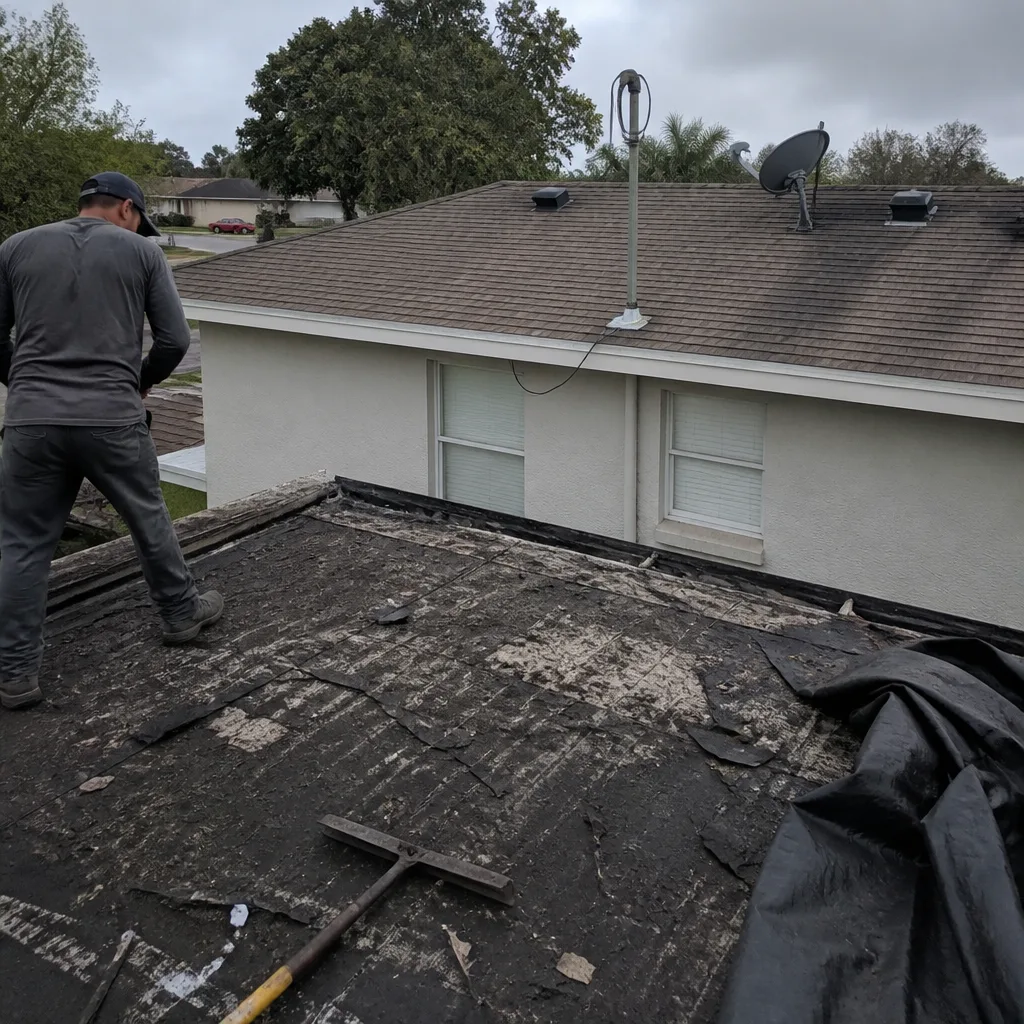 Before
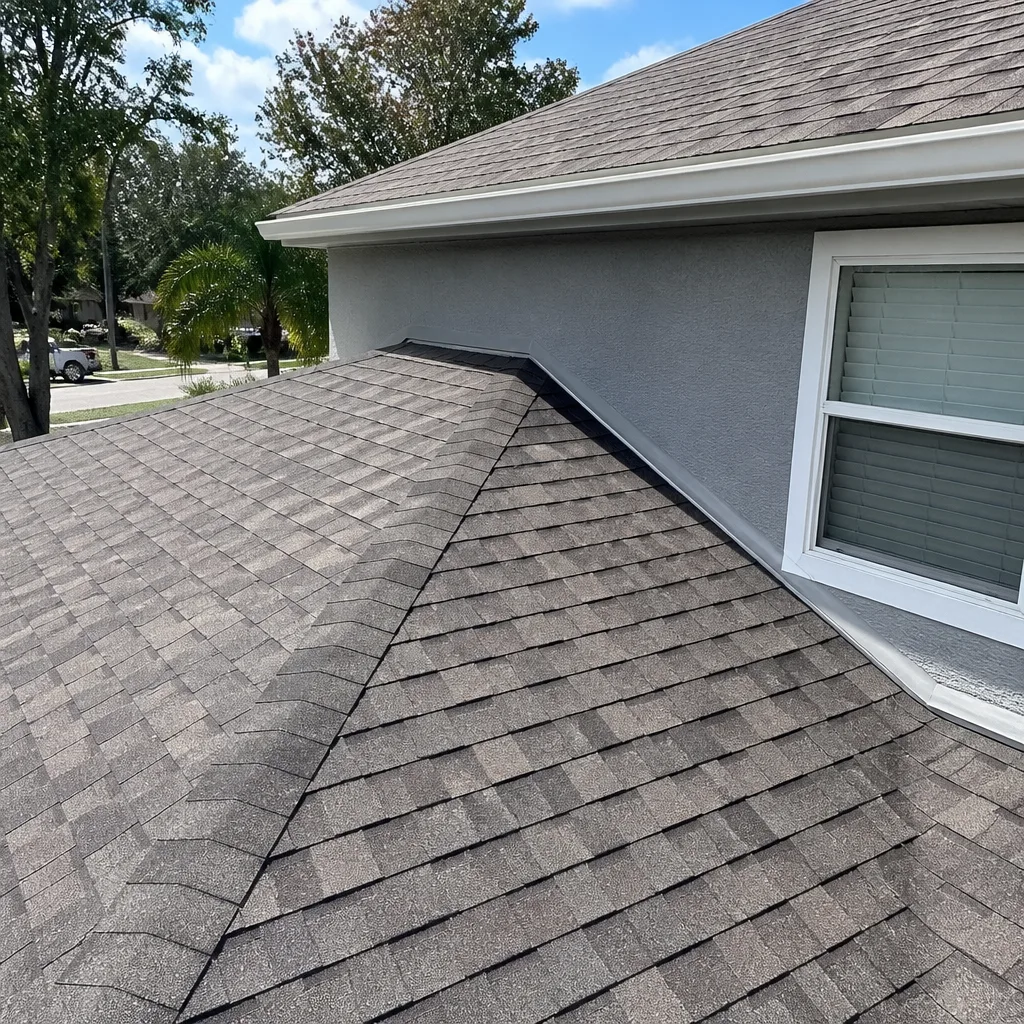 After
After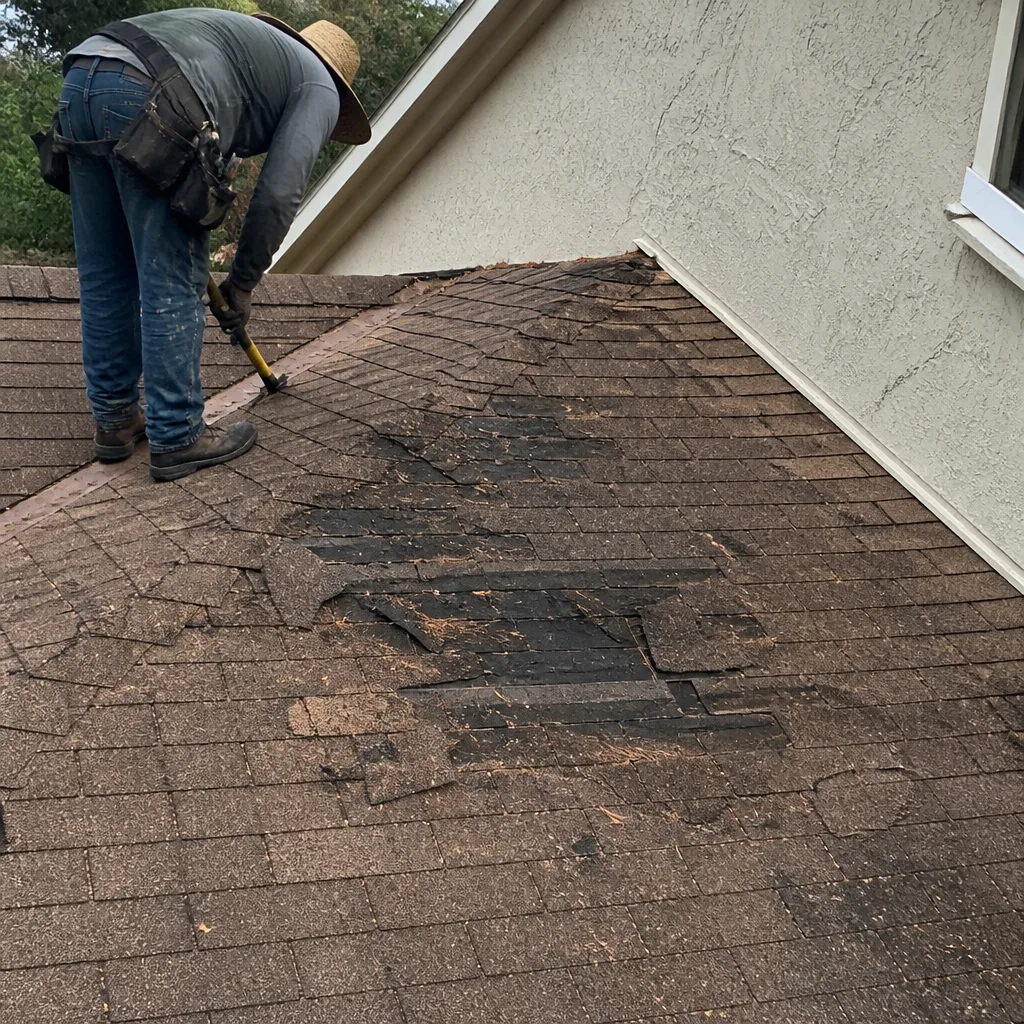 Before
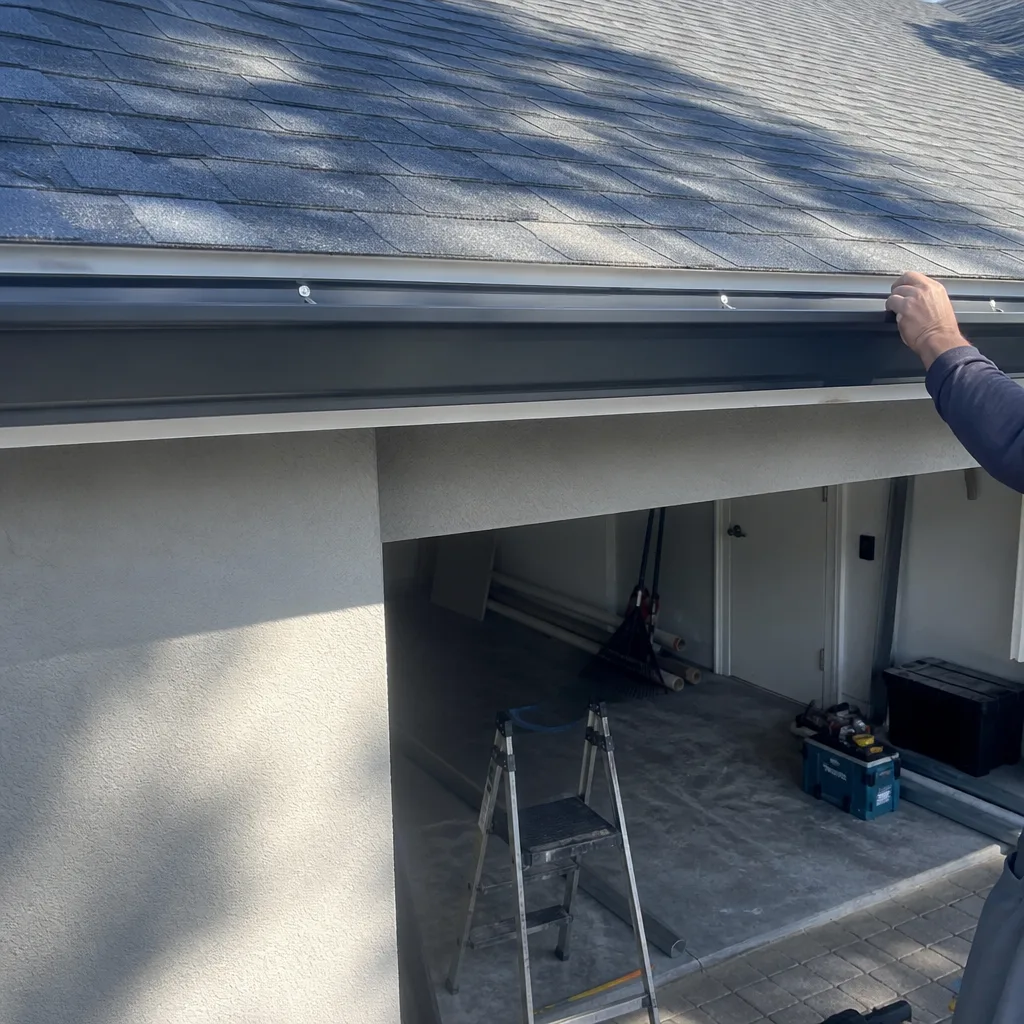 After
After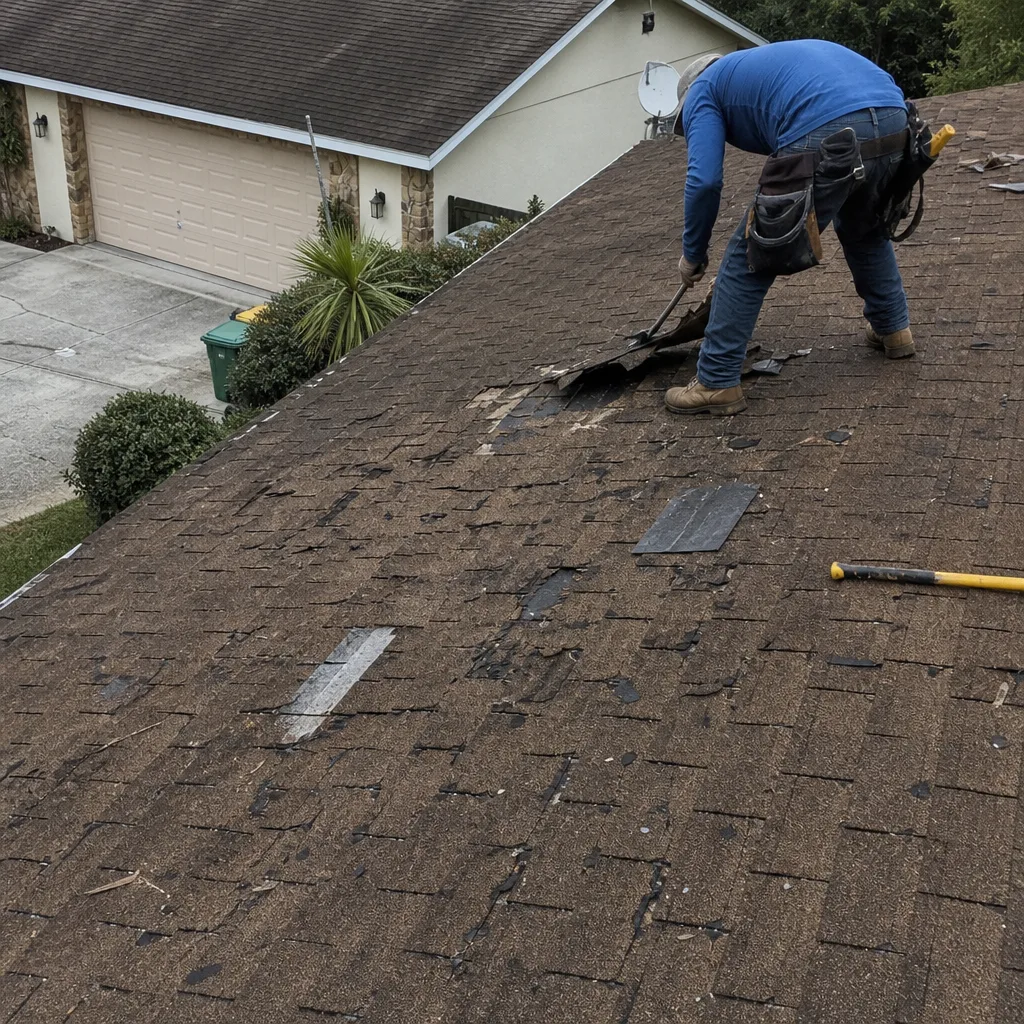 Before
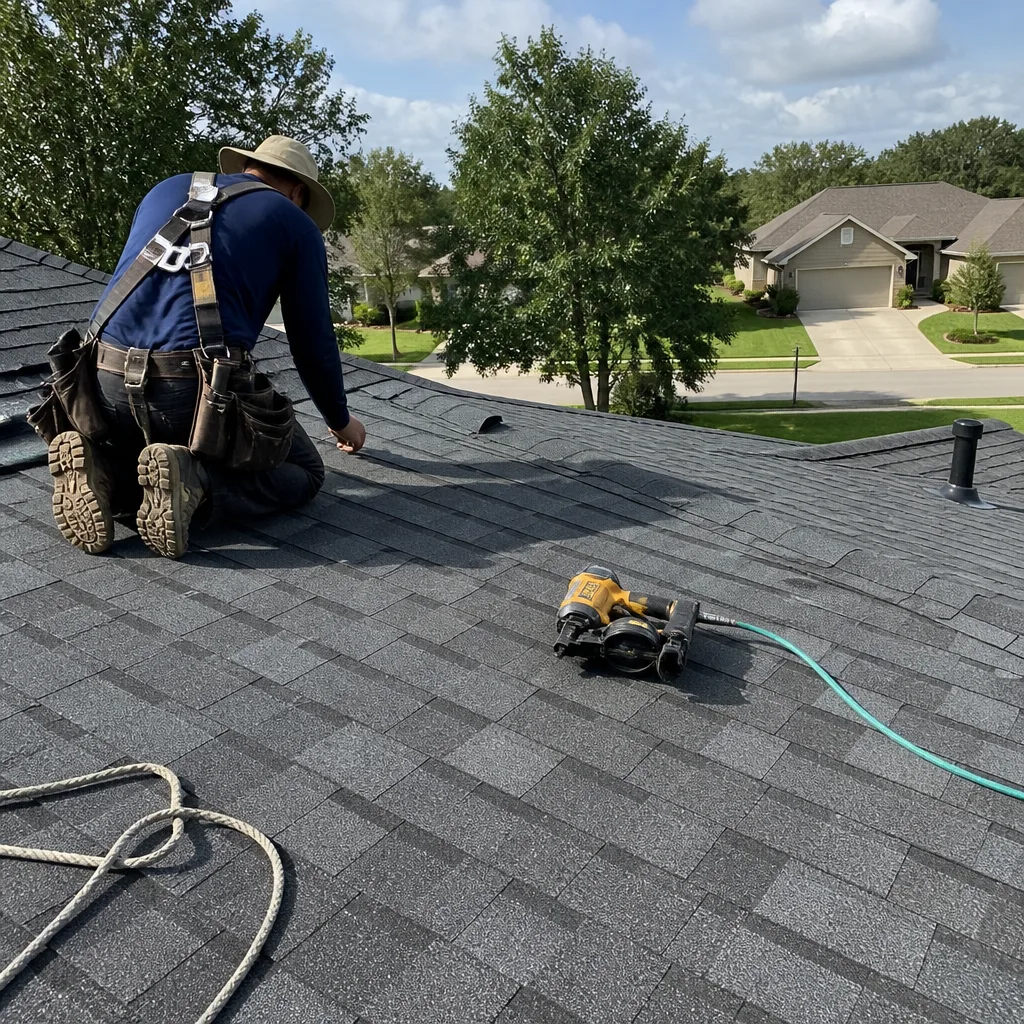 After
After