
Last updated October 17, 2026
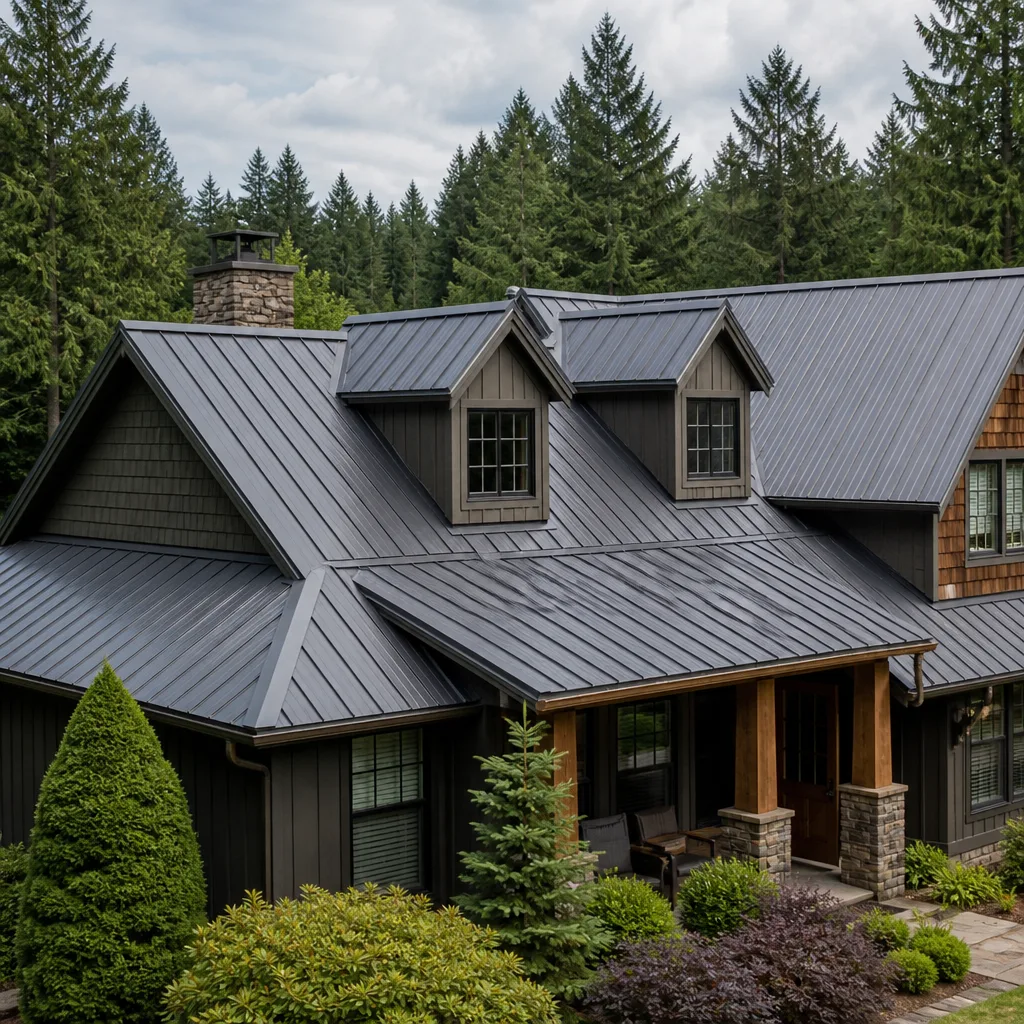 Metal roofing
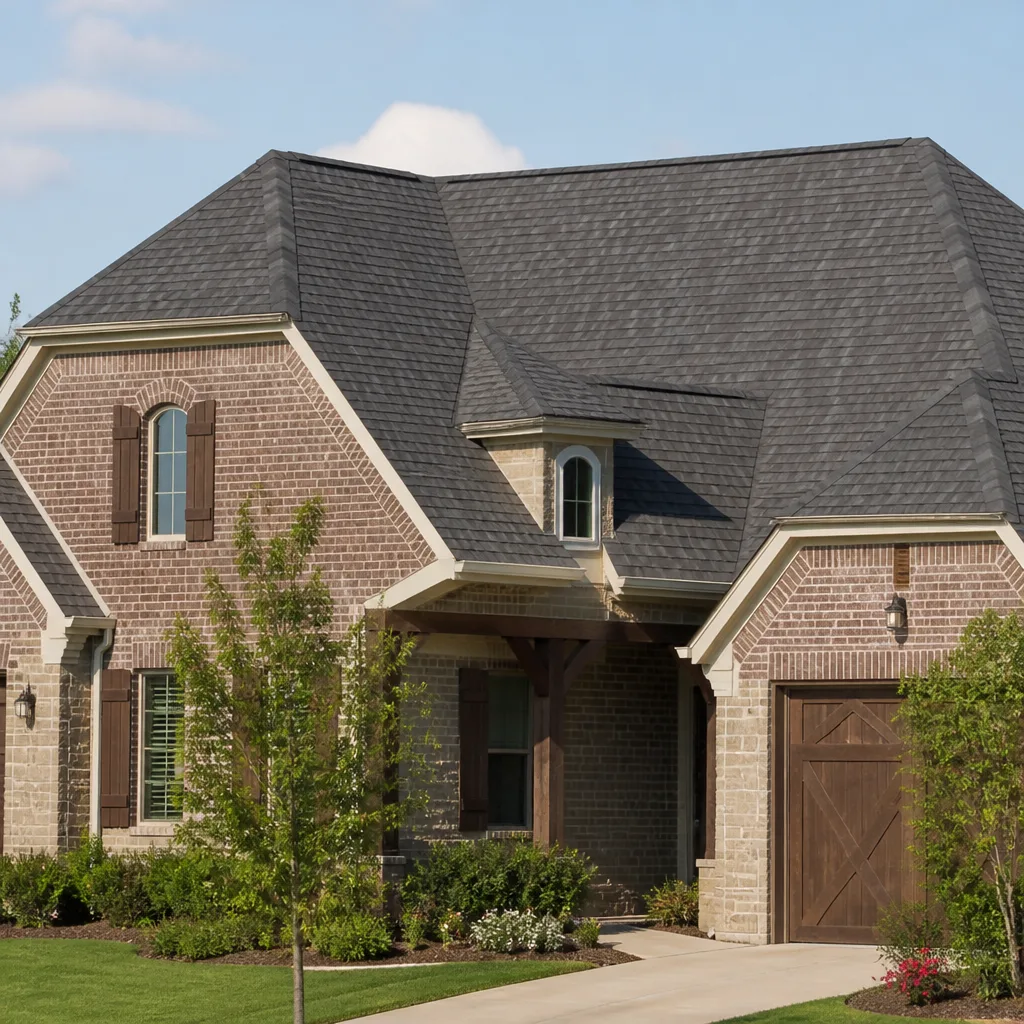 Architectural shingles
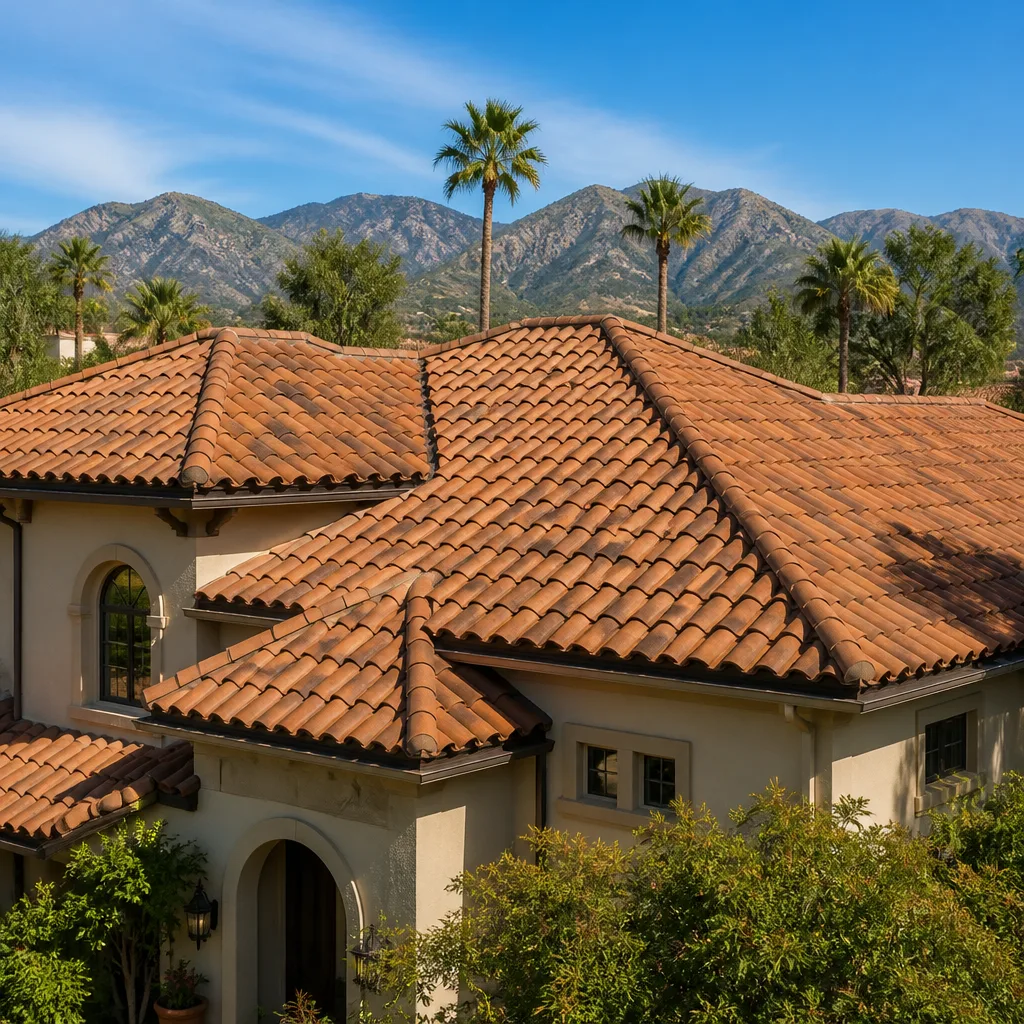 Tile roofing
 GAF
GAF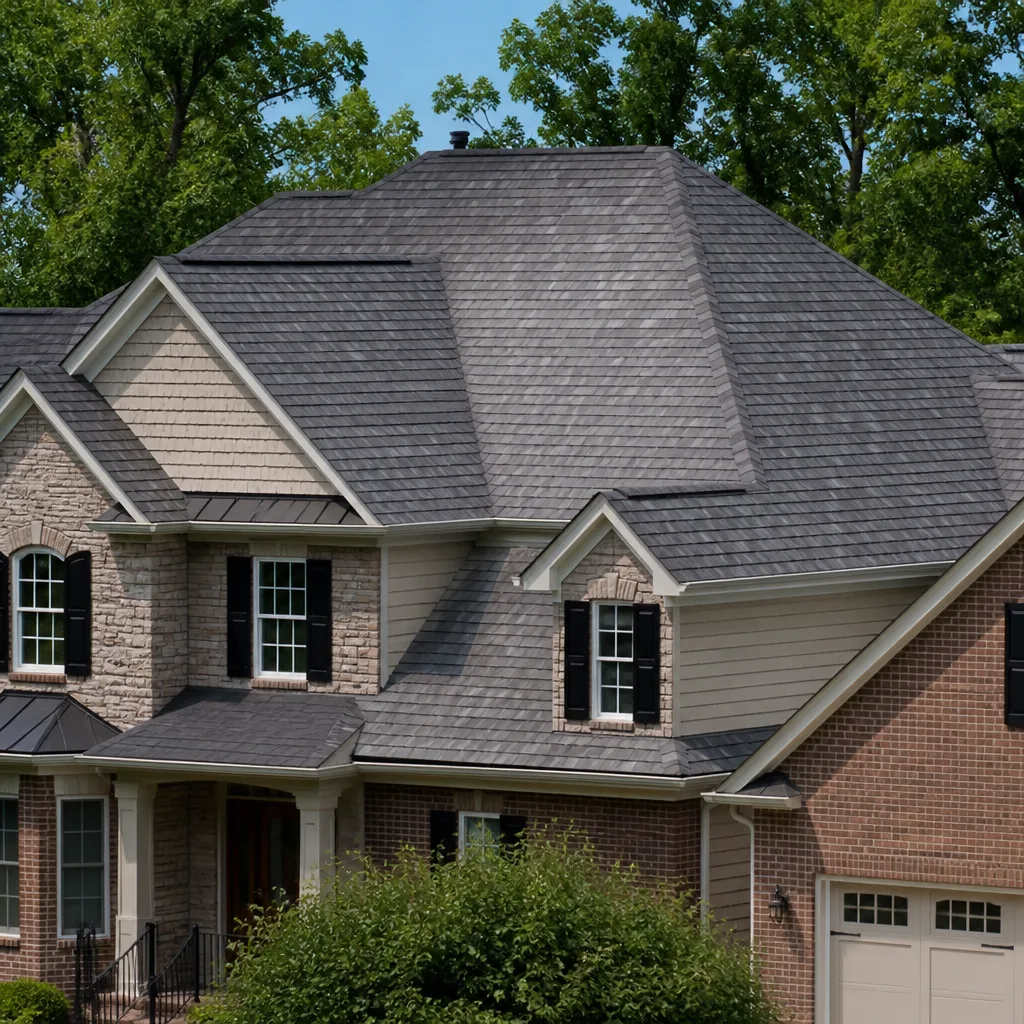 Owens Corning
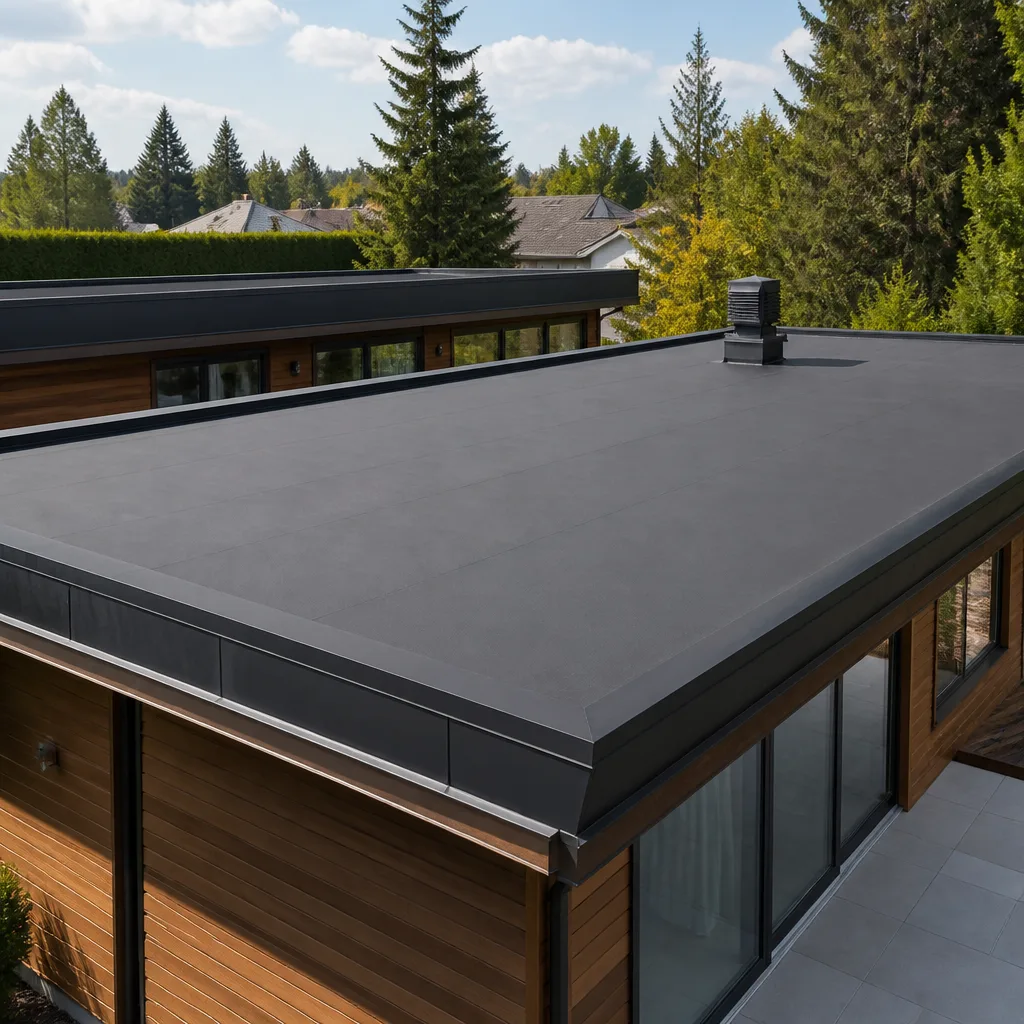 Flat & low-slope
Free roof inspection with deck photos before we talk money - GAF and Owens Corning certified installation
DIY vs Professional Roofing: The Orlando Homeowner’s Decision Guide
Roofing guides written for a national audience almost always miss the one fact that matters most in Central Florida: your homeowner’s insurance policy is tied to your roof in ways a YouTube tutorial will never prepare you for. A shingle repair in Ohio or Texas might dodge a few hundred dollars in labor. The same repair in Orlando, done without a licensed contractor, can trigger a coverage denial when the next named storm rolls through, and that denial can cost more than every DIY dollar you ever saved. This guide walks through exactly what Florida law permits unlicensed homeowners to do on their own roofs, what your insurer expects, which three tasks are genuinely safe to handle yourself, and how to choose a professional without surrendering to blind trust.
Quick Answer
For re-roofs and structural repairs, DIY roofing in Orlando is effectively off the table: Florida law requires a licensed contractor for any work that touches structural components, and most insurer policies void wind coverage when unlicensed repairs precede a claim. For a homeowner acting as their own contractor on a primary residence, certain exemptions exist under Florida Statute 489.103(7) – but only for non-structural work, and only if the work meets code, which brings us to the real question: do you want to bet your insurance payout on your caulking skills? For most Orlando homeowners, the genuinely safe DIY list is three items long: attic ventilation checks, gutter clearing, and documenting flashing issues for a contractor quote. Everything else is a gamble with a policy document as the house odds.
Styles & brands we work with
Table of Contents
- What Florida Law Actually Says About DIY Roofing
- How to Check Your Insurance Policy Before Touching Your Roof
- The Three DIY Tasks That Are Safe, Legal, and Worthwhile in Orlando
- The Hidden Cost Math of DIY Roofing in Florida
- Using Contractor Transparency as Your Quality Filter
- What Orlando’s Climate Does to Roofs (and Why It Changes the DIY Math)
- Common Mistakes to Avoid
- When to Call a Professional
- Frequently Asked Questions
What Florida Law Actually Says About DIY Roofing
Florida Statute 489.103(7) carves out a narrow exemption that lets a homeowner act as their own contractor on their own primary residence – but only for work that does not affect structural components. Replacing a few shingles? That falls into a gray zone many homeowners misread as green-lit. Replacing decking, modifying trusses, or doing anything that touches the roof’s structural frame? That requires a licensed contractor, full stop. Section 489.501 of the Florida Statutes requires any person performing structural roofing work on a building for compensation to hold a state contractor’s license, and Florida courts have interpreted “structural” broadly enough that even some shingle replacement projects cross the line when the underlying decking shows damage.
What this means in practice for an Orlando homeowner is straightforward. If a storm blows off a handful of shingles and you replace them yourself, you may be operating within the exemption – assuming the decking is sound and you pull the local permit if Orange County requires one for the scope. But if you peel back a lifted shingle and find rotted decking from years of Central Florida humidity, you have now discovered a structural issue, and the moment you touch it, you are no longer performing a cosmetic repair. You have taken on structural work without a license, and your insurer’s claim adjuster knows exactly what that means for a pending or future claim.
The permit question matters too. Orange County requires building permits for roof work that goes beyond like-for-like shingle replacement under a certain square-footage threshold. A homeowner who skips the permit on work that needed one has created a code violation that must be disclosed when selling the home. In Orlando’s resale market, undisclosed unpermitted roof work is one of the most common deal-killers we see when buyers’ inspectors flag recent repairs that do not match county permit records.
Florida law also holds unlicensed contractors and homeowners who hire them accountable for the outcome. If an unlicensed helper falls off your roof while you are both doing what a licensed crew should have handled, you are personally exposed in ways a contractor’s workers’ compensation policy would cover. That alone should end the DIY debate for any Orlando homeowner who has people on the roof without proper coverage.
How to Check Your Insurance Policy Before Touching Your Roof
Pull up your current homeowner’s policy – the full declarations page and the endorsements, not the renewal summary – and search for the words “licensed contractor,” “qualified contractor,” or “repair obligations.” Many Florida insurers insert language requiring that all roof repairs be performed by a licensed contractor as a condition of maintaining windstorm coverage. That language appears in the section governing your duties after a loss, and older policies may bury it differently than newer ones. If you cannot find any such wording, call your agent and ask one precise question: “Does my policy require licensed contractors for roof repairs, and has that requirement changed in the last two policy years?” Get the answer in writing. Agents in Florida have seen this question before, and the ones worth keeping will answer it without hesitation.
If the policy language is ambiguous – and it often is, because insurers draft for their own flexibility – the safest posture is to assume the stricter reading applies. Florida has seen waves of insurer insolvencies in the last decade, and surviving carriers have tightened underwriting language on roof maintenance and repair. What one adjuster interprets as a harmless homeowner fix, another will use as grounds to deny a $40,000 wind claim after a hurricane. The cost of interpreting ambiguity in your favor is not theoretical. It is the difference between a rebuilt roof and a denied claim.
Here is the sequence we tell Orlando homeowners to follow before touching their own roof:
- Pull the full policy document. Not the app, not the PDF summary. The actual declarations and endorsements.
- Search for contractor language. Use Ctrl+F for “licensed” and read every sentence that appears in.
- Call your agent with the exact question. The agent’s email reply becomes your written record.
- If anything is unclear, treat DIY structural work as prohibited. The downside risk is asymmetric: a few hundred dollars saved against a claim denied in full.
The Three DIY Tasks That Are Safe, Legal, and Worthwhile in Orlando
Not every roof task requires a license, and some genuinely reward a homeowner who pays attention. The key distinction is this: safe DIY work is work that helps you understand your roof’s condition without altering its structure or load path. For a full checklist of what to inspect, see our dedicated guide.
1. Attic Ventilation Checks
Walk your attic in the morning before the Florida heat builds, and look for visible signs of poor airflow: rusted nails protruding through the roof deck, condensation on the sheathing, or a heat-dome feeling that hits you the moment you climb the ladder. Proper attic ventilation matters in Orlando more than in almost any other Florida city because our humidity forces moisture into enclosed spaces that cooler climates never experience. A homeowner can check soffit vents for blockage, confirm ridge vents are open and unobstructed, and document what they find. Fixing ventilation issues, however, often means cutting new vent openings, and that crosses the line into licensed work.
2. Gutter Clearing and Downspout Monitoring
Clearing gutters is the most valuable recurring DIY task an Orlando homeowner owns. Oak and pine debris from Lake Eola to Winter Park clogs downspouts quickly, and backed-up water rots fascia and undershot flashing faster than rain alone ever would. Clear gutters twice a year – the weeks before hurricane season in April and May, and again in October after the height of the wet season. Keep feet planted on a properly positioned extension ladder, never on the roof itself, and have a second person hold the base. This work is safe, legal, and directly extends the life of your roof and your fascia.
3. Identifying and Documenting Flashing Issues (For a Contractor Quote)
Flashing – the metal strips that seal the joints where roof planes meet walls, chimneys, skylights, and vents – fails before shingles in Orlando’s UV and humidity. A homeowner can spot the warning signs from the ground or a ladder without touching the flashing itself: streaking or staining on interior ceilings near wall junctions, visible rust trails on the metal, lifted or curled flashing edges, or daylight visible through the soffit where flashing should sit flush. Document what you find with photos and a note of the location. Then hand that documentation to a contractor for a written quote. Identifying is DIY. Fixing flashing is not – a bad flashing repair channels water straight into your walls, and interior damage from improper flashing work is excluded from most policies when the work was not performed by a licensed contractor.
The Hidden Cost Math of DIY Roofing in Florida
The visible math looks compelling on a spreadsheet. A bundle of GAF or CertainTeed shingles runs roughly $28 to $35 per bundle in Orlando supply houses. A professional roofer charges $4.50 to $6.50 per square foot for a full installation in the Orlando market, depending on pitch and tear-off conditions. A homeowner doing the work themselves sees material costs only, and the “savings” appear to be thousands of dollars. The hidden costs are where the ledger flips.
Permit exposure. Unpermitted structural work that Orange County discovers during a resale inspection, a home insurance inspection, or a lender re-underwriting becomes a mandatory repair event, and the repair of unpermitted work is almost never covered by insurance. The cost of pulling a permit after the fact can exceed the original permit fee by multiples, and contractors in the Orlando market routinely add a premium for remediating owner-performed work that failed inspection.
Warranty voidance. Manufacturer warranties from brands like Tamko, Boral, and Owens Corning are explicitly conditional on installation by a licensed contractor following their published specifications. A DIY installation with even one missed step voids the manufacturer’s material warranty, and the manufacturer’s answer to a delamination claim four years later will be a single sentence about improper installation. The professional-installation requirement also voids the enhanced wind warranties that Florida homeowners need for hurricane-rated systems.
Liability gap. If a homeowner’s roof repair fails and sends water into the home, the homeowner’s policy treats that as a maintenance failure, not a covered loss. The $800 saved on labor the Saturday before becomes a $9,000 interior remediation the Tuesday after, with no policy coverage and no contractor guarantee to call. That is the asymmetry that makes Florida DIY roofing uniquely expensive. In cooler climates, a slow leak is an inconvenience. In Orlando, where summer afternoon storms can drop an inch of water in an hour, a slow leak becomes an active interior flood.
The honest math: material savings of $1,500 to $3,000 on a partial re-roof, weighed against permit exposure of $2,000 to $5,000 in remediation, warranty voidance that wipes out a $10,000 manufacturer’s guarantee, and an uncovered interior damage event that routinely runs $5,000 to $15,000.
Using Contractor Transparency as Your Quality Filter
Hiring a professional should not mean hiring on a handshake. The Orlando roofing market has hundreds of contractors, and the quality difference is not visible in a phone estimate. The visible difference is how transparently a company operates before any work begins. Three filters separate the contractors who will protect your home from the ones who will protect their invoice.
Filter one: written price before any work starts. A contractor who will not put a price in writing before beginning is not negotiating in good faith. Request a written, line-item quote that specifies materials, scope, warranty, and the final price. The Roof Repair in Orlando process at Mercer Roofing Co Orlando never begins without a written price agreed to in advance, and the invoice matches the quote. That is the minimum bar, and too many companies in our market fail it.
Filter two: named technicians with photo ID. If you cannot know who is coming to your home before they arrive, you are taking a trust leap no roof estimate should require. Ask any contractor whose name you are considering: “Will you tell me who is coming to my home before the appointment, and will that person carry photo identification?” At Mercer Roofing Co Orlando, every technician’s name and photo is sent ahead of the visit, and every technician checks in at the door with a photo ID badge under the Threshold Verified standard. That standard exists because homeowners – particularly older Orlando residents and parents who are often home alone during the day – deserve proof of who is on their property before the door opens. This is the transparency filter most homeowners never think to apply, and it eliminates the largest category of bad actors in residential roofing.
Filter three: written guarantees with a specific duration. “We stand behind our work” means nothing. A written guarantee that says exactly what is covered, for exactly how long, and what happens if it fails, means everything. The 365-Day Done Right Promise from Mercer Roofing Co Orlando states plainly: if the work is not right within a year, we make it right. Every repair includes a written guarantee, and if a repair fails, a second visit is free. That is the language to demand from any contractor, whether you choose us or not.
What Orlando’s Climate Does to Roofs (And Why It Changes the DIY Math)
Orlando sits in a climate band that punishes roofs in three specific ways: UV radiation, convective storms, and humidity. Understanding all three explains why the DIY-or-professional decision here is genuinely different from the same decision in Atlanta or Charlotte.
UV radiation. Orlando’s latitude and clear-sky afternoon profile expose asphalt shingles to consistent ultraviolet load that accelerates granule loss. A shingle installed by a licensed crew using Boral or GAF products is rated for the exposure. A shingle nailed by a weekend DIYer at the wrong angle, at the wrong nail depth, in the wrong spacing pattern fails earlier – and the failure is not gradual. It is a wind event that lifts a section of improperly fastened shingles and opens the decking to water intrusion.
Convective storms. Central Florida’s afternoon thunderstorm pattern is not a light rain. Summer cells produce wind gusts that exceed 45 mph regularly, and roofing fasteners are engineered for that specific lift load. Manufacturer specs for brands like CertainTeed specify exact nail count, penetration depth, and placement for Florida’s wind zone. A homeowner following a YouTube video recorded in a non-hurricane state is installing to the wrong spec without knowing it.
Humidity. High ambient humidity accelerates condensation on any roof assembly with inadequate ventilation, and condensation feeds the rot and mold that eat roof decking from below. A professional Orlando roofer inspects the decking and ventilation as part of any repair, because the two interact. A DIY repair addresses the shingles and ignores the underlying moisture problem until it has already spread – a rotted deck section is a structural issue that requires a licensed contractor to replace, and the repair just got more expensive than the original problem.
Common Mistakes to Avoid
- Assuming all roof work is fair game for the homeowner exemption. The Florida Statute 489.103(7) exemption applies to non-structural work only, and structural definitions in Florida case law are broader than most homeowners expect. Any work involving decking, trusses, or the roof’s load path requires a licensed contractor in Orlando.
- Buying materials marked up from a big-box store and assuming it matches supply-house quality. Retail channels in Orlando carry lower-echelon versions of the same brand names. The Tamko or GAF product sold at a warehouse store is not the same SKU a licensed Orlando roofer sources from a supply house, and the difference shows up in wind performance and warranty terms.
- Skipping the permit because the job “looks small.” Orange County permit enforcement for roof work has tightened in recent years, and resale inspections now flag unpermitted roof repairs routinely. The repair that saved you $900 becomes a $4,000 remediation at closing.
- Hiring an unlicensed handyman who offers to “do it cheaper.” An unlicensed worker on your Orlando roof is a double exposure: no workers’ compensation if he is injured, and no insurance coverage if his work fails. The liability gap described above is not theoretical – it is a financial pattern we see repeated after every major storm season.
- Believing the insurance company will not look closely at prior repairs. Florida claim adjusters after a major storm are trained to identify unlicensed or improper prior repairs, and their findings become the basis for denial language that is difficult to overturn. The repair you did in March is the insurance company’s exhibit A in September.
- Trading a written contractor quote for a vague verbal estimate. A roofer who will not write down the price, the scope, and the warranty before beginning is signaling how the whole project will go. In Orlando’s market, the companies with the most transparent written processes are also the ones that stand behind their work longest.
When to Call a Professional
Call a licensed Orlando roofer when the work touches anything beyond a visual inspection or gutter clearing: missing shingles after a storm, any visible decking, any stain on an interior ceiling, any lifted flashing, any clog in the roof-valley drainage, any age-related granule loss that has exposed the matting. Also call when your insurance company has sent a repair obligations letter, when a resale inspection flagged prior roof work, or when you simply do not want to carry the legal and coverage risk that a DIY repair shifts onto your policy. Roofing Company in Orlando services from Mercer Roofing Co Orlando include free estimates across Orlando, with written pricing delivered before work begins. Call (850) 757-3564 to schedule yours.
Frequently Asked Questions
A homeowner can act as their own contractor under Florida Statute 489.103(7) for non-structural work on their own primary residence, but a full roof replacement is treated as structural work and requires a licensed contractor in Orlando. Call (850) 757-3564 for a written quote on any re-roof scope.
Yes, in specific and documented ways: unlicensed structural work violates the contractor-repair language in most Florida policies, and an unpermitted repair that precedes a storm claim is common grounds for claim denial. The insurer’s duty to cover does not extend to damage caused or worsened by unlicensed work.
Gutter clearing and downspout inspection from an extension ladder are the safest and highest-value DIY tasks, and they extend the life of your roof by preventing fascia rot and flashing corrosion. Attic ventilation checks rank second, and photographing flashing issues for a contractor quote ranks third.
Minor shingle repairs in Orlando typically run $250 to $600 for a small patch, while flashing repairs range from $350 to $900 depending on accessibility and the metal involved. Full roof installations in the Orlando market run $4.50 to $6.50 per square foot, with brand and complexity shifting the total. Call (850) 757-3564 for a free exact quote – estimates are free, and the written price matches the invoice.
With a contractor that provides written pricing before any work begins, the price does not change absent a discovered condition that requires a written change order signed by you first. Mercer Roofing Co Orlando operates on a fixed-price written quote with no surprises on the invoice.
Yes, licensed Orlando roofing contractors pull the necessary permits for structural work and schedule the inspections required by Orange County. A contractor that offers to skip the permit to save you money is transferring a legal and insurance risk directly to you. For permit-compliant work from a licensed local team, call (850) 757-3564 or visit the Mercer Roofing Co Orlando home page.
Licensed Orlando roofers install manufacturer-recognized brands that include GAF, CertainTeed, Owens Corning, IKO, Atlas, Tamko, and Boral. Each brand carries specific Florida wind-zone ratings, and manufacturer warranty coverage requires installation by a licensed contractor to remain valid.
The Bottom Line
The DIY-vs-professional roofing question in Orlando is not a skills question or a cost question. It is a legal and insurance question that most national roofing guides never address. Florida law sets a boundary that favors licensed contractors for anything structural, and your insurance policy enforces that boundary when a claim arrives. Safe DIY work in Orlando is real but limited: ventilation checks, gutters, and documenting what you see for a contractor quote. Beyond that, the financially safe move is a licensed professional with a written price, a written guarantee, and a named technician at your door. Spend your DIY energy where the law and your policy allow it, and let a professional carry the load where the stakes are measured in tens of thousands of dollars. Roof Installation in Orlando from Mercer Roofing Co Orlando starts with a free estimate and a written price. Call (850) 757-3564 to schedule yours.
Written by Grant Whitlock, Owner at Mercer Roofing Co Orlando, serving Orlando since 2000. Browse more guides & resources from our team.
See the difference
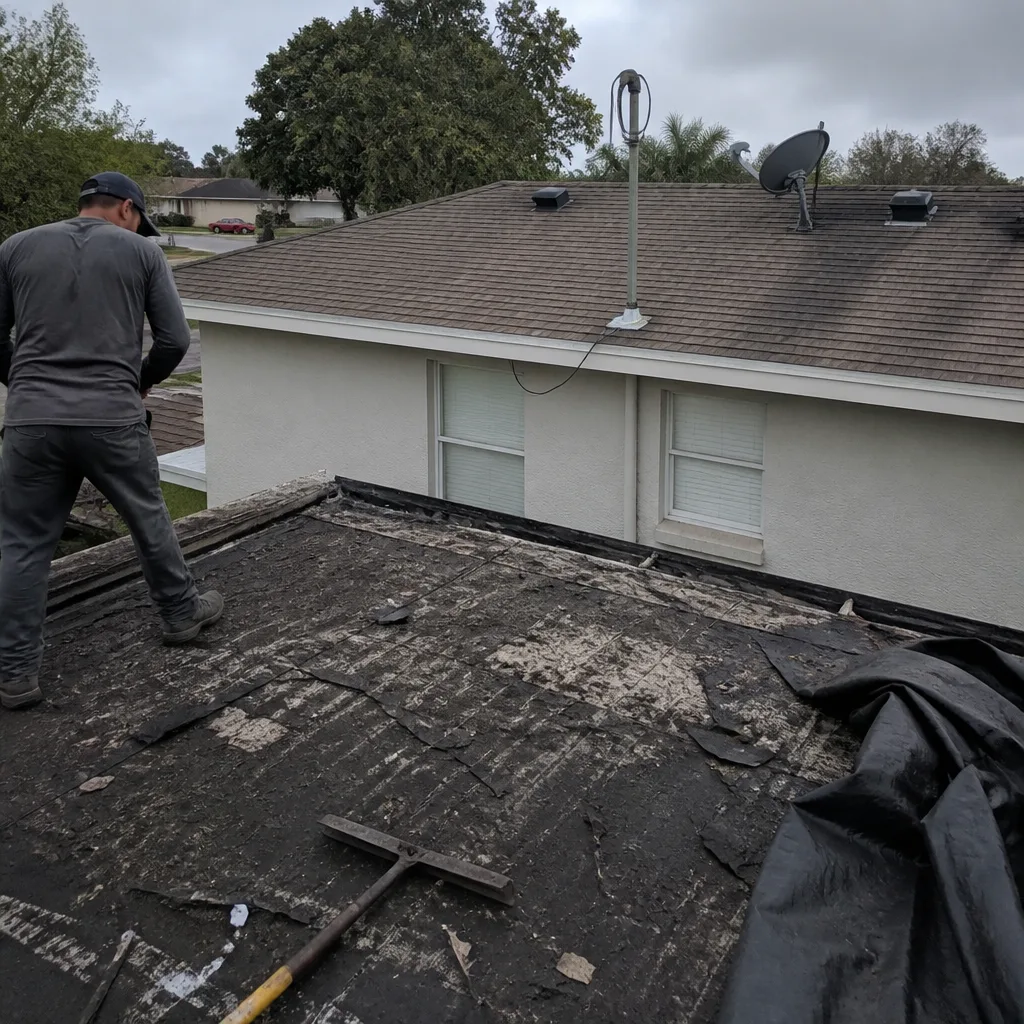 Before
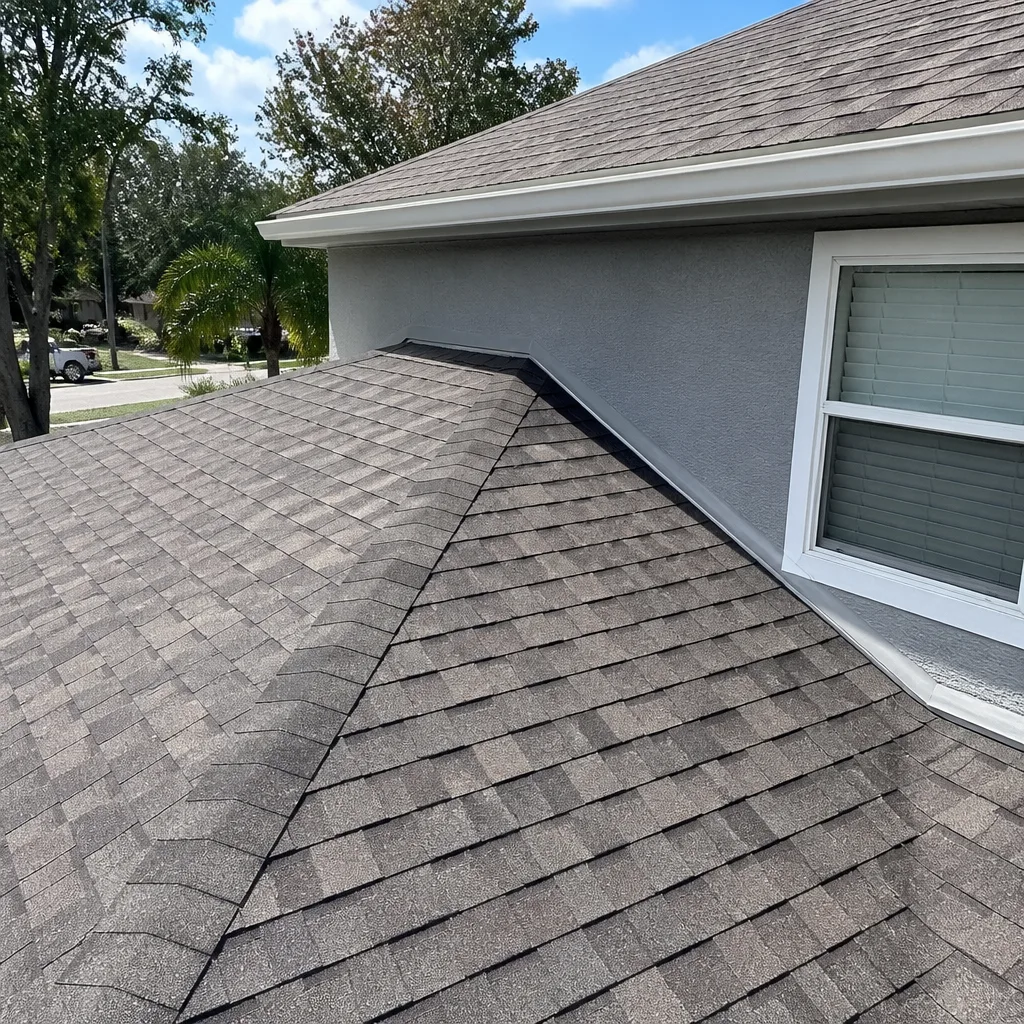 After
After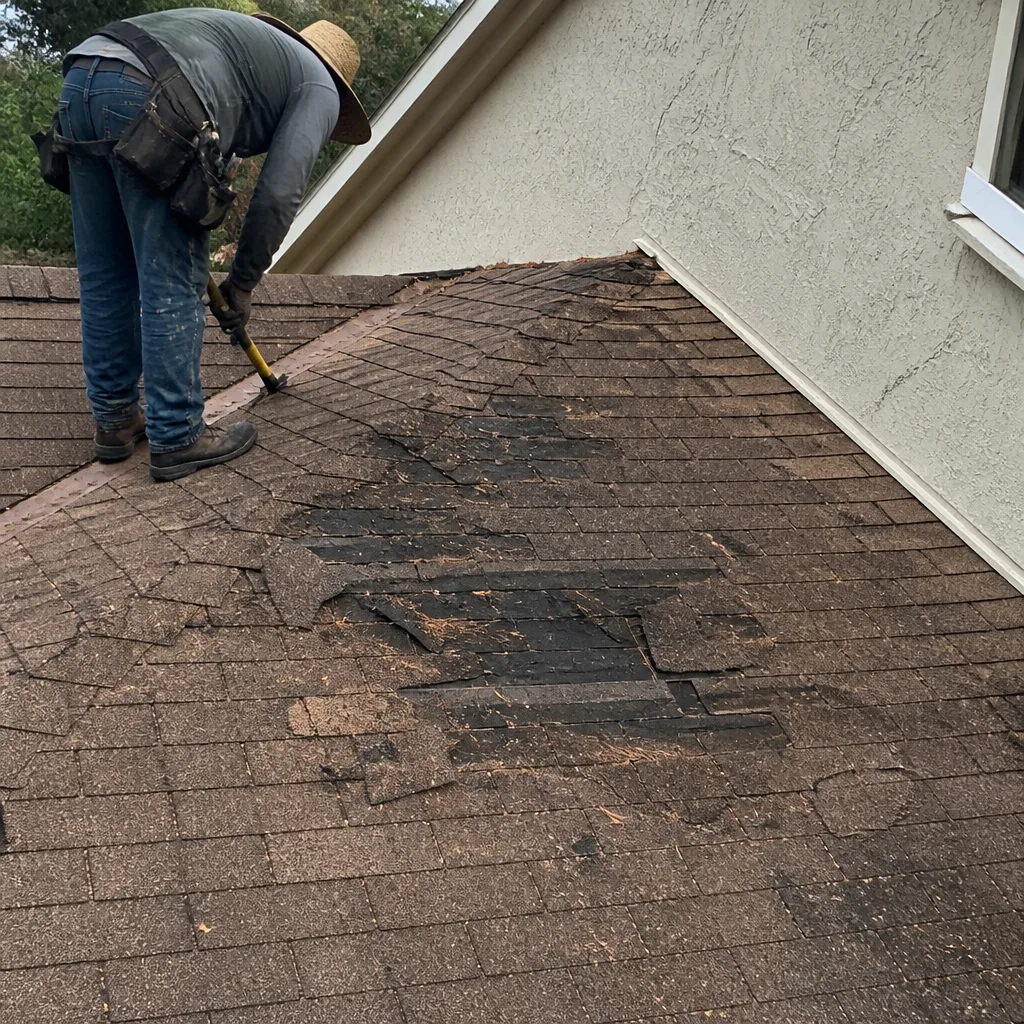 Before
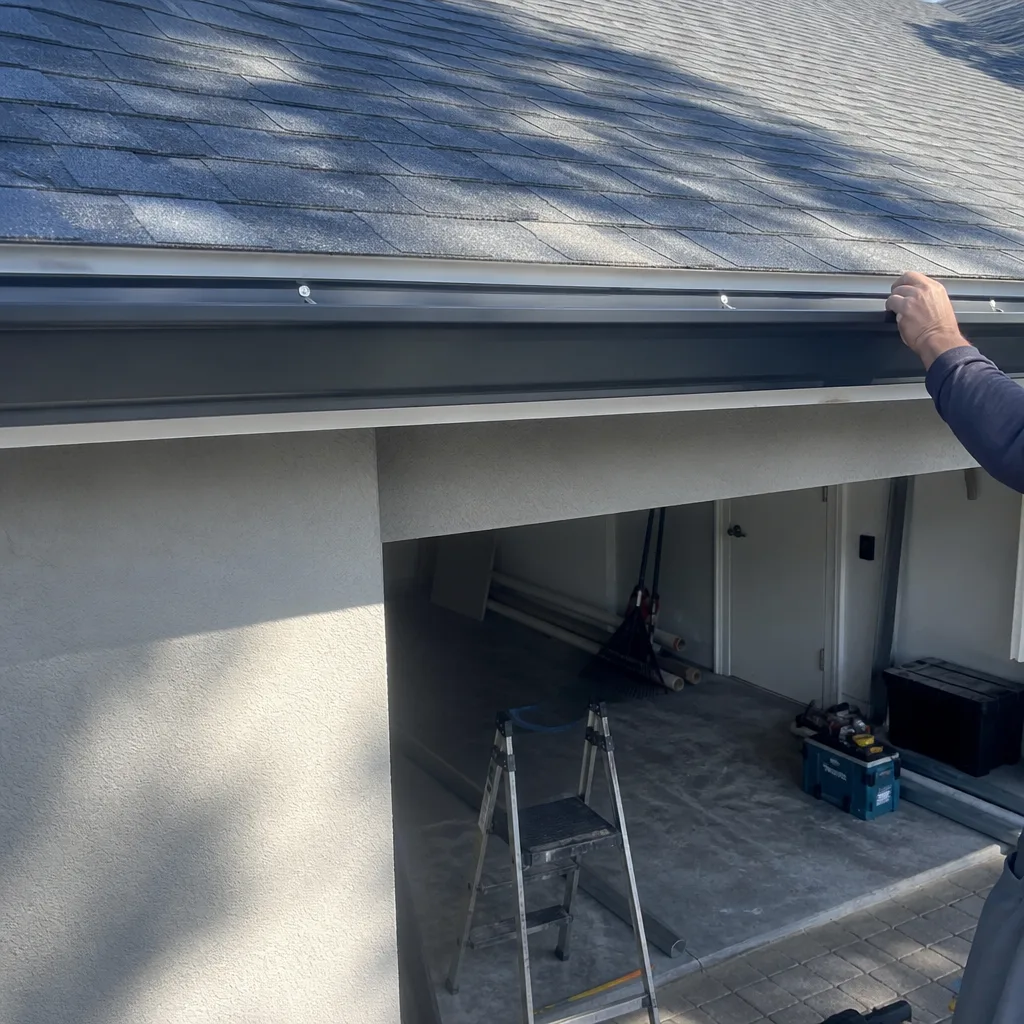 After
After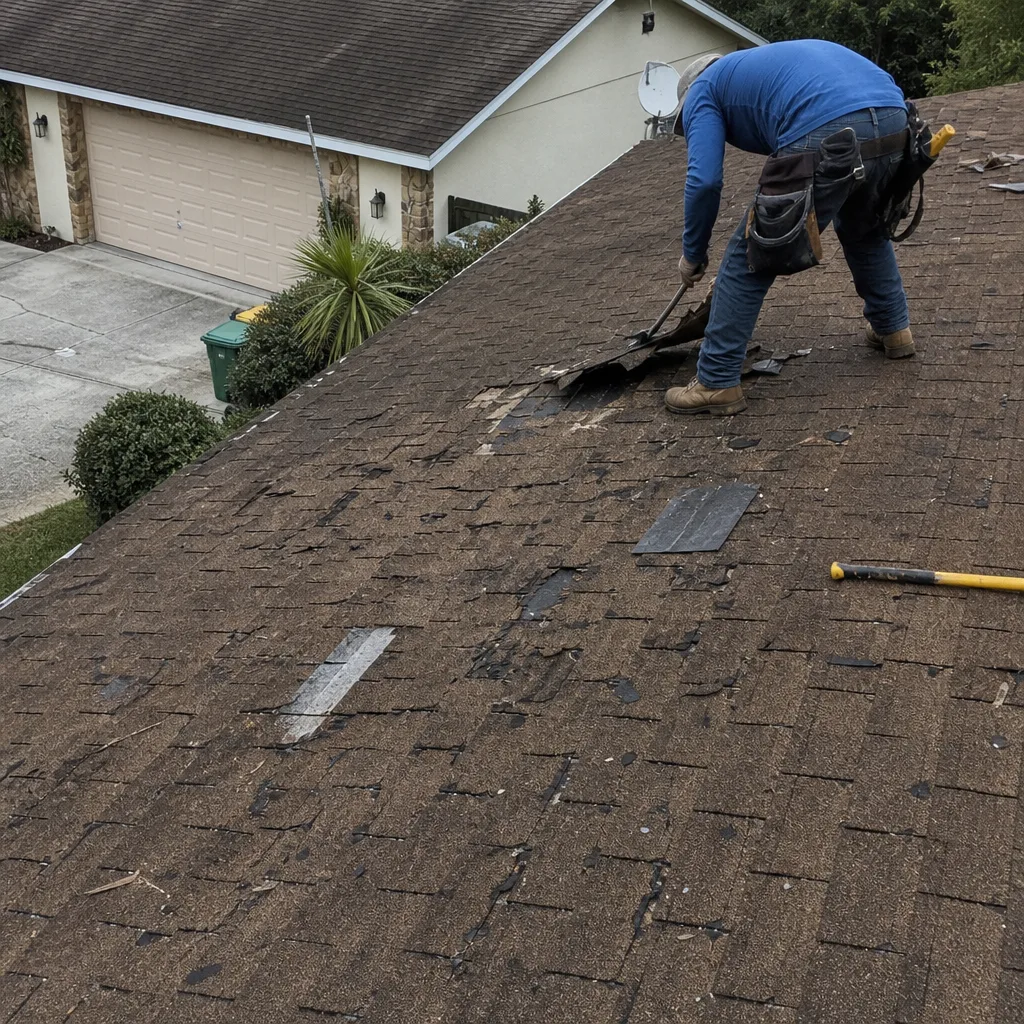 Before
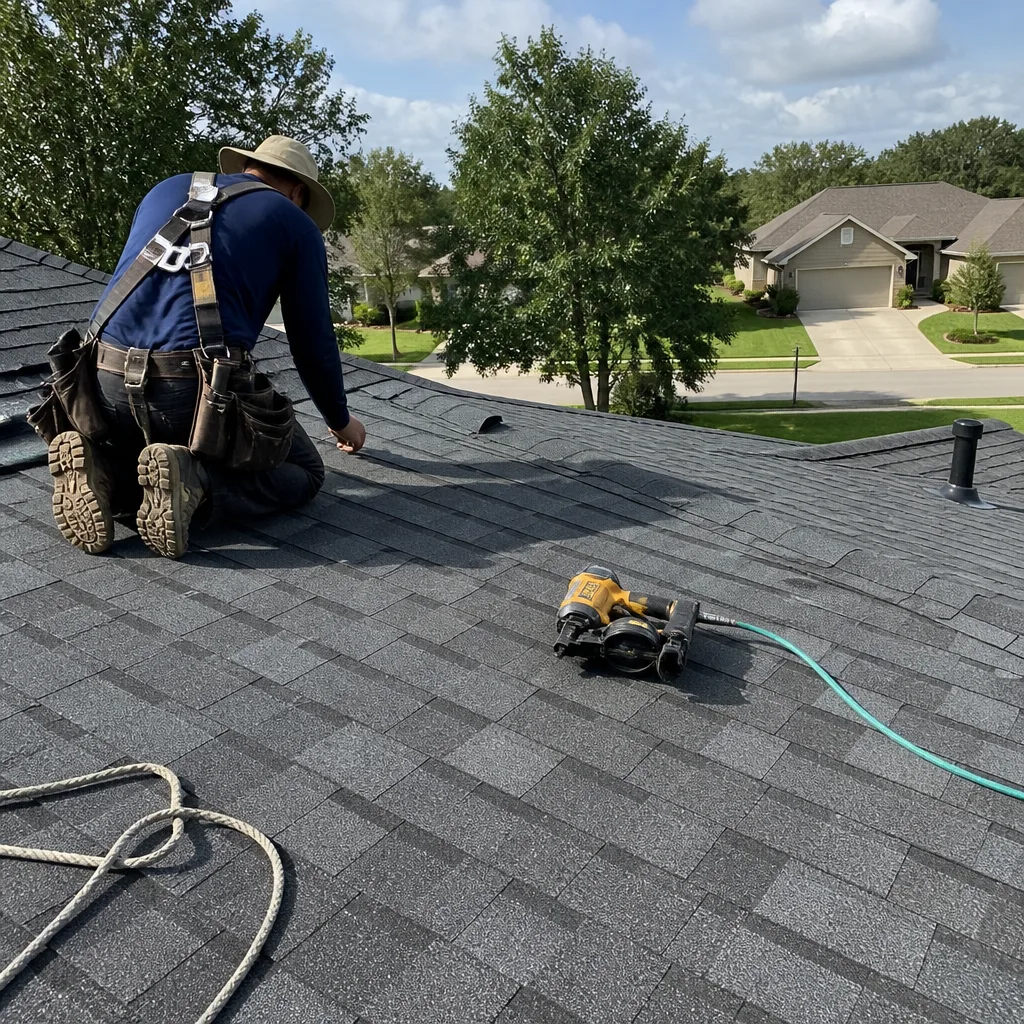 After
After