
Last updated October 17, 2026
 Architectural shingles
 Metal roofing
 Tile roofing
 GAF
GAF Owens Corning
 Flat & low-slope
Free roof inspection with deck photos before we talk money - GAF and Owens Corning certified installation
Roof Repair Maintenance Checklist for Orlando Homeowners
Cleaning your gutters in October is the standard advice. In Orlando, if you wait until October, you’ve already let three months of storm debris sit through the peak of hurricane season, the exact window when a blocked downspout can back water under your eaves and rot fascia you won’t see until it’s a $3,000 repair. Most checklists you’ll find online were written for four-season climates with snow loads and ice dams. Orlando has two real seasons: the wet season from June through September and everything else. This guide is built around that reality, with tasks timed to what actually happens on roofs in Central Florida, not what happens in Michigan or Massachusetts.
Quick Answer
A practical roof maintenance checklist for Orlando homeowners means checking gutters and downspouts monthly during the wet season (June through September), inspecting your attic ventilation and humidity levels before summer heat peaks in May, photographing your roof from every angle before and after hurricane season, and addressing any loose flashing, lifted shingles, or algae accumulation immediately rather than waiting. Most Orlando homeowners should do a visual inspection from the ground every 60 to 90 days and schedule a professional roof inspection once a year, ideally in April or May before the afternoon thunderstorms arrive.
Styles & brands we work with
Table of Contents
- Why Orlando’s Climate Demands a Different Maintenance Schedule
- The Month-by-Month Orlando Roof Maintenance Calendar
- What You Can Safely Do From the Ground vs. What Needs a Pro
- How to Check Attic Ventilation in Orlando’s Heat
- Algae Streaking: Cosmetic Issue or Shingle Killer?
- What to Photograph Before and After Every Wet Season
- Common Mistakes to Avoid
- When to Call a Professional
- Frequently Asked Questions
Why Orlando’s Climate Demands a Different Maintenance Schedule
Orlando gets roughly 52 inches of rain per year, and the bulk of it falls between June and September in the form of daily afternoon thunderstorms. Those storms arrive fast, dump water hard, and disappear. Your roof doesn’t just need to shed water, it needs to shed it quickly, repeatedly, and without time to dry out between soakings. A roof in a northern state might see rain a few times a month. An Orlando roof can get pounded every afternoon for 120 consecutive days.
Then there’s the heat. Summer attic temperatures in Orlando routinely hit 140 to 150 degrees Fahrenheit. Shingles on an inadequately ventilated roof bake from above and below. That’s why manufacturers like GAF publish specific ventilation requirements for hot, humid climates, and why asphalt shingles in Florida often age faster than their stated warranty periods. The combination of UV exposure, heat saturation, and humidity takes a toll that no snow-covered roof ever deals with.
This is why a generic fall-and-spring maintenance schedule fails Orlando homeowners. If you only check your roof in October and April, you’re checking it after the damage window has already been open for months. The right approach is to time maintenance around the wet season, not the calendar seasons that other parts of the country use. We’ve inspected roofs in College Park and Conway where a single clogged downspout had been quietly rotting the fascia board since July because nobody looked until the leaves changed color in November, which in Orlando means barely anything at all.
The Month-by-Month Orlando Roof Maintenance Calendar
Here’s the schedule that matches how weather actually works in Central Florida. Each month has a reason behind it, not just a random task pulled from a generic checklist. For a deeper look at what professional repairs involve at different times of year, our Roof Repair in Orlando page covers what we see most often by season.
January: Storm Debris Clearance
Winter in Orlando means occasional cold fronts with gusty winds. Those winds strip small branches, palm fronds, and pine needles off trees and drop them directly onto your roof and into your gutters. By mid-January, walk around your house and look up. Clear any visible debris from valley areas where two roof planes meet. Water flow concentrates there, and debris in a valley acts like a dam. You can use a roof rake from the ground for most single-story homes. If you have a two-story home, don’t climb a ladder to reach the roof, call someone who does this work professionally.
February: Flashing Inspection
February is typically one of Orlando’s drier months. That makes it a good time to check the metal flashing around chimneys, vent pipes, and skylights. Flashing is the metal material that seals the joints where the roof meets something else. When flashing rusts or pulls loose, water follows the gap. In our experience, loose flashing is responsible for more slow leaks in Orlando homes than actual shingle failure. A good test after any cold front is to go into the attic with a flashlight. Look for water stains on the rafters beneath any roof penetration.
March: Attic Check Before the Heat Arrives
March is your last comfortable month to go into the attic before temperatures climb. Check your insulation levels, look at the underside of your roof decking for moisture staining, and verify that all bathroom and kitchen exhaust fans actually vent through the roof. In Orlando, a bathroom fan that vents into the attic instead of outside is a mold problem waiting to happen because that warm, humid air has nowhere to go. If your attic already shows signs of condensation, address it now before the wet season starts.
April: Professional Inspection Month
April is the best month for a professional roof inspection in Orlando. The weather is mild, the wet season hasn’t started, and any issues found can be fixed before the daily storms begin. A professional inspection covers things you can’t see from the ground: granule loss, nail pops, soft decking spots, and seal failure on shingles. If you’re a homeowner who doesn’t want to climb onto the roof at all, this is the one appointment worth scheduling every year. Our Roofing Company in Orlando services include a full written report you can keep with your home records.
May: Gutter Deep Clean
By May, most trees in Orlando have finished their heavy spring drop. That makes May the right time for the most thorough gutter cleaning of the year. You want gutters running completely clear before the first significant June thunderstorm. Test your downspouts by running a garden hose into the gutter from the ground. If water backs up or overflows the gutter lip, you have a blockage. Downspout blockages are more dangerous than visible gutter clogs because you can’t see them from the ground.
June Through September: Monthly Quick Checks
- After every major storm: Walk the perimeter and look for shingles, nails, or pieces of flashing on the ground.
- Twice a month: Check gutter downspouts visually during a heavy rain. If water is cascading over the gutter edge, something is blocked.
- Once a month: Look at your ceilings beneath the roof. Water stains, bubbling paint, or new cracks in ceiling drywall mean you have an active leak.
- After any hail report: Document the date and time, photograph your roof from the ground, and call your insurance agent if you see dimpling or displaced granules around your downspout bases.
October: End of Wet Season Assessment
October is when the daily storms finally taper off. Walk your property and look for wind damage, lifted shingle edges, and any areas where water may have backed up. This is also the time to clean gutters again because the wet season deposits debris constantly, and you don’t want that material sitting through the winter. But October is a follow-up check, not your primary maintenance month. If you skipped everything else and only clean gutters now, you’ve already missed the window that matters most.
November and December: Tree Canopy Management
Late fall in Orlando is the right time to trim branches that overhang your roof. Most trees go semi-dormant, making trimming less stressful for them. Branches that touch or hang within three feet of your shingles do two kinds of damage: they scrape granules off when the wind blows, and they create a bridge for rodents and insects to get onto your roof. We’ve gone onto roofs in Baldwin Park where tree limbs had worn bald spots in the shingles down to the matting, which eventually becomes a leak path.
What You Can Safely Do From the Ground vs. What Needs a Pro
Some roof maintenance tasks are perfectly safe for a homeowner who never leaves the ground. Others genuinely require training, safety equipment, and experience, and attempting them without those things is how people get hurt. Here’s the honest division.
Safe to Do From the Ground
- Gutter checks during rain: Stand outside and watch how water moves through your gutter system. You can see clogs, overflow, and disconnected downspouts without climbing anything.
- Soffit and fascia visual inspection: Look at the boards that line the underside and edges of your roofline. Check for peeling paint, water stains, and wood that looks soft or swollen.
- Ground-level shingle scan: From the yard or sidewalk, look for shingles that are curling, missing, or out of alignment. Binoculars help.
- Attic humidity check: If your attic has an access hatch inside the house, check it for condensation and musty smells after heavy rain. This requires no roof access.
- Downspout base inspection: After any heavy rain, look at where your downspouts discharge. Granules collecting at the base is a sign your shingles are shedding material faster than normal.
Leave to a Professional
- Anything on a ladder above the first rung: Falls from ladders are among the most common causes of homeowner injury. If a task requires a ladder, it’s worth asking yourself whether the risk is worth the cost of hiring someone.
- Walking on the roof: Shingle roofs in Florida grow algae and moss that make surfaces slippery even when dry. Tiles crack under foot pressure if you don’t know where to step. Never walk on a roof without proper equipment and training.
- Flashing replacement: Properly replacing and sealing flashing requires removing shingles, cutting metal, and applying sealant correctly. Half-measures at the flashing create leaks that take years to show up inside the house.
- Any repair involving decking or structural wood: If you see sagging or soft spots from the attic, that’s not a maintenance task. That’s a repair that needs professional assessment before the surface gets opened up.
If you’re unsure which category something falls into, err toward the professional side. The team at Mercer Roofing Co Orlando home provides straightforward guidance on what needs attention and what can wait.
How to Check Attic Ventilation in Orlando’s Heat
Here’s the thing most Orlando homeowners don’t realize: the single most effective thing you can do to extend the life of your shingles costs nothing and takes ten minutes. Checking your attic ventilation in early summer, before the heat peaks, tells you whether your roof is baking itself from underneath.
Proper attic ventilation means air moves in through intake vents at the soffits and out through exhaust vents at or near the roof ridge. That airflow does two jobs in Orlando’s climate. It keeps attic temperatures closer to the outside air temperature, which reduces heat transfer down into your living space. And critically, it carries away the moisture that rises from your home into the attic space. Without that airflow, heat and humidity sit in the attic and cook the underside of your roof decking and shingles all summer.
Step-by-Step Attic Ventilation Check
- Go into the attic on a hot, sunny afternoon. Bring a thermometer. Compare the attic temperature to the outside temperature. A difference of more than 20 degrees suggests inadequate ventilation.
- Look at the underside of the roof decking. Dark staining or streaking on the wood means condensation has been forming. That’s a ventilation problem, not just a moisture problem.
- Check the soffit vents from outside. If you have vented soffits, look for paint that’s sealed over the vent openings or blown-in insulation from previous years that’s been pushed over them.
- Feel for airflow. On a day with any breeze at all, you should feel air moving through the attic space. Still, stagnant, oppressively hot air is a red flag.
- Count your exhaust vents. Walk around the house and count what you have at the roof level: ridge vents, box vents, turbine vents, or powered vents. If the only visible exhaust venting is a couple of small box vents on a roof over 2,000 square feet, you’re under-ventilated.
Shingle manufacturers including GAF and Tamko make their warranty coverage conditional on proper attic ventilation. If you install 30-year shingles on a poorly ventilated roof in Orlando’s climate, you might get 15 years out of them. This is the maintenance step that pays for itself many times over, and it’s one of the first things we look at during any Roof Installation in Orlando project.
Algae Streaking: Cosmetic Issue or Shingle Killer?
Dark streaks on Orlando roofs are usually a type of algae called Gloeocapsa magma. It thrives in hot, humid climates, which makes Central Florida a perfect breeding ground. Most of the time, algae streaking is cosmetic. But there’s a difference between stains and damage that homeowners should understand because the consequences of ignoring one versus the other are very different.
When Algae Is Just a Stain
Algae feeds on the limestone filler in asphalt shingles. As it spreads, it creates those dark stains you see on roofs throughout neighborhoods like Audubon Park and Thornton Park. The stain doesn’t directly damage the shingle structure. It looks bad, and it can slightly impact the reflectivity of light-colored shingles, which means marginally higher attic temperatures. But no leak will form because of algae staining alone. If all you have is a dark stain pattern and the shingles still lie flat with intact granules, your roof is functional and the algae is a cleaning and appearance issue.
When the Problem Goes Beyond Cosmetic
In Florida’s humidity, algae growth often brings company. Moss and lichen can take root in the same damp conditions. Unlike algae, moss has root structures that find their way between shingle layers and under edges. When moss grows under a shingle edge, it lifts the shingle just enough to let wind-blown rain underneath. Over time, trapped moisture accelerates granule loss and degrades the asphalt. If you see green, fuzzy growth that you can recognize as moss, or if the shingles beneath the streaks feel brittle and the granules are coming loose, the issue has moved beyond cosmetic. Granules in your gutters and gathering at the downspout bases are the clearest sign that shingles are actively losing material, and that shortens the service life of the roof directly.
Certain shingle brands, including Atlas and Boral, now include algae-resistant coating in their standard formulations. If you’re replacing a roof in Orlando, choosing algae-resistant shingles avoids the recurring cleaning cycle some homeowners go through every few years.
What to Photograph Before and After Every Wet Season
Building a maintenance record for your roof is one of the most underused tools Orlando homeowners have, and it can matter a lot when you’re filing an insurance claim. Insurance adjusters want to see a timeline. The stronger your documentation, the harder it is for a claim to be disputed as pre-existing damage.
Photos to Take Before the Wet Season (May)
- Full overhead-adjacent views of every roof plane: If you can capture these from an upstairs window or a neighbor’s yard, great. Otherwise, ground-level photos from all four corners of the house work.
- Close-ups of flashing: Get as close as you safely can to chimney flashing, pipe boots, and skylight edges. These are the most common leak points.
- Gutter and downspout interiors: Photograph them when they’re clean. If they’re damaged later in the season, you have a before image.
- Attic ceiling and roof decking: Photograph the entire underside of your roof decking if you can access it. Any staining that appears later will be easy to spot against your baseline images.
Photos to Take After the Wet Season (October)
- The same angles you photographed in May: Side-by-side comparison makes new damage obvious.
- Any new dark spots, lifted edges, or missing shingles: Use the zoom on your phone camera for detail shots.
- Your ceiling interiors beneath the roof: Especially in rooms directly under valleys, chimneys, and skylights.
- Any debris piles that accumulated during storms: These show the environmental load your roof absorbed during the season.
Store the photos in a folder on your phone or cloud storage with the date in the filename. When you call your insurance company after a storm, the first thing they ask for is evidence. Having a clean baseline makes every future claim more straightforward.
Common Mistakes to Avoid
- Waiting for fall to clean gutters: In Orlando, that timing guarantees three months of wet-season debris accumulation sitting in your drainage system during the period it matters most. Clean before June, then follow up after the season ends.
- Ignoring granules in the gutter: Granules collecting at your downspout bases mean your shingles are losing material. That’s not routine wear for a young roof, and it’s worth a professional look.
- Blocking soffit vents with insulation: Blown-in insulation often covers soffit vents from the attic side. Blocked intake vents disable your entire ventilation system, and the roof runs hotter and wetter all summer.
- Walking on a wet, algae-covered roof: The algae that causes dark streaks in Orlando also makes shingle surfaces extremely slippery when damp. This is how homeowners end up in emergency rooms.
- Caulking over flashing instead of replacing it: Sealant breaks down in Florida’s UV exposure within a couple of years. If flashing is rusting or lifting, caulk is a temporary patch, not a fix.
- Skipping the attic check because you have a newer roof: Even brand-new roofs fail at the flashing and the ventilation system when those components aren’t installed correctly or get blocked later. New shingles don’t fix a ventilation problem that predates them.
- Assuming “30-year shingle” means 30 years in Orlando: Florida’s heat and UV load mean shingles often age faster than their warranty period. Regular inspections tell you what condition your roof is actually in, regardless of the number on the package.
When to Call a Professional
Call a professional if you see water stains on ceilings, sunlight visible through your attic roof decking, large sections of lifted or missing shingles after a storm, or any sagging area when you look at your roof from the street. If you find granules piling up in gutters or at downspout bases consistently across multiple checks, the shingles are losing material faster than normal wear accounts for, and a diagnosis is worth getting. You should also schedule a professional inspection if you’ve never had an attic ventilation assessment done, because that’s not something most homeowners can evaluate fully without measurement tools. Mercer Roofing Co Orlando offers free estimates in Orlando. Call (850) 757-3564 to schedule one.
Frequently Asked Questions
Once a year is the right cadence for most Orlando homes. Schedule it in April or May so any issues are caught before the daily thunderstorm season starts in June. Roofs over 15 years old or roofs that have been through a significant storm event benefit from a second inspection after hurricane season wraps up.
A professional roof inspection in Orlando typically runs between $150 and $300, though many companies offer free inspections for homes that have active issues. Gutter cleaning for a single-story home runs $80 to $200, and minor repairs like resealing flashing or replacing a few shingles generally land between $250 and $600 depending on what’s involved. Larger repairs that involve replacing decking or re-flashing a chimney run higher. For an exact quote on your specific roof, call (850) 757-3564 and a live person answers around the clock.
For single-story homes, yes, if you use a roof rake or extension tool from the ground and keep both feet off a ladder. For two-story homes, or any home where the gutters aren’t easily reachable from the ground, the fall risk isn’t worth it. A professional gutter cleaning costs less than a typical emergency room deductible.
No. Algae streaking alone, the dark stains running down the roof plane, is a cosmetic condition and doesn’t mean the shingles are failing. The decision on replacement depends on granule loss, shingle curling, flashing condition, and the roof’s age. A professional inspection tells you where you actually stand. If replacement does become necessary, our Roof Installation in Orlando services include manufacturers like GAF, CertainTeed, and Owens Corning.
Clear loose debris from the yard before you bring anything up against the house. Check that gutters and downspouts are clear from the ground, but don’t climb anything once winds pick up. Photograph every roof plane and your ceilings as they are. That documentation matters for any claim after the storm. For repairs after the weather clears, Roof Repair in Orlando work can start with a phone call.
In Orlando’s climate, an architectural asphalt shingle roof with proper ventilation and maintenance typically lasts 18 to 25 years, even though the manufacturer’s warranty may state 30 years or more. Three-tab shingles often last 12 to 18 years. Tile and metal roofs last longer, sometimes 40 years or more, but their flashing and underlayment still need regular inspection. The difference between a roof that reaches 25 years and one that fails at 15 often comes down to how well the attic breathes.
The Bottom Line
The roof over your Orlando home is under more stress from June through September than at any other time of year, and maintenance that ignores that reality is maintenance that fails when it matters. Check gutters before the wet season and monthly during it, inspect the attic before the heat peaks, photograph everything on a schedule, and call a professional for anything beyond a ground-level look. A consistent, Orlando-timed maintenance habit adds years to your roof’s life and makes every insurance conversation easier. If you’d rather have a professional pair of eyes on it, Mercer Roofing Co Orlando home is one call away, and a live person picks up 24/7.
Written by Grant Whitlock, Owner at Mercer Roofing Co Orlando, serving Orlando since 2000.
See the difference
 Before
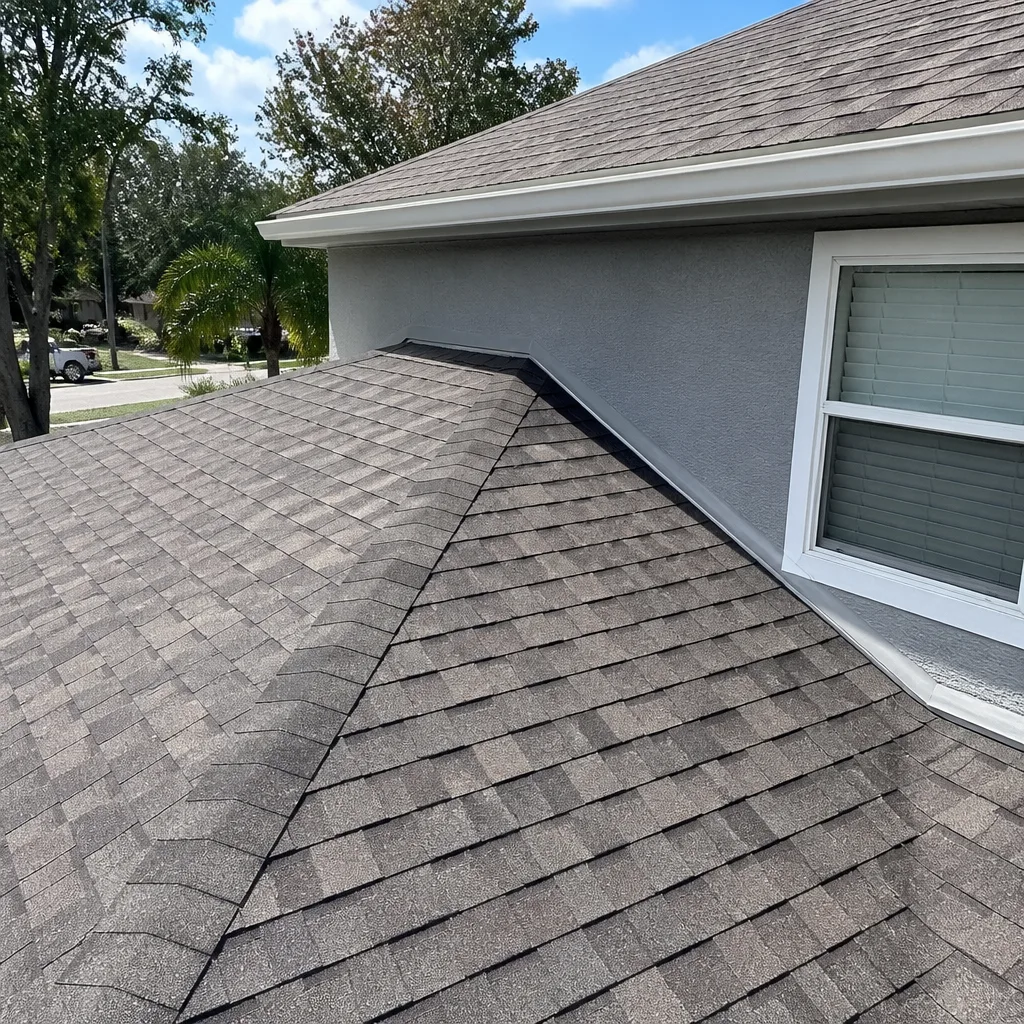 After
After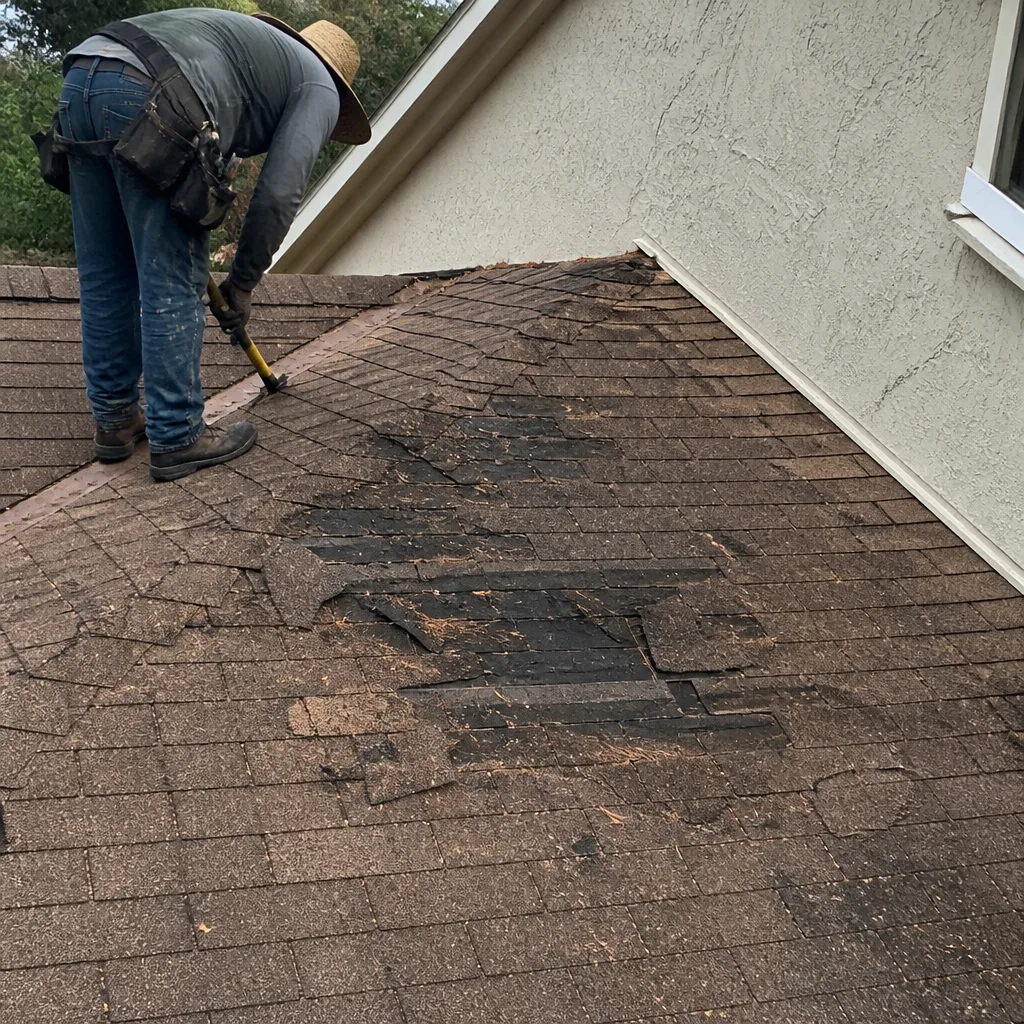 Before
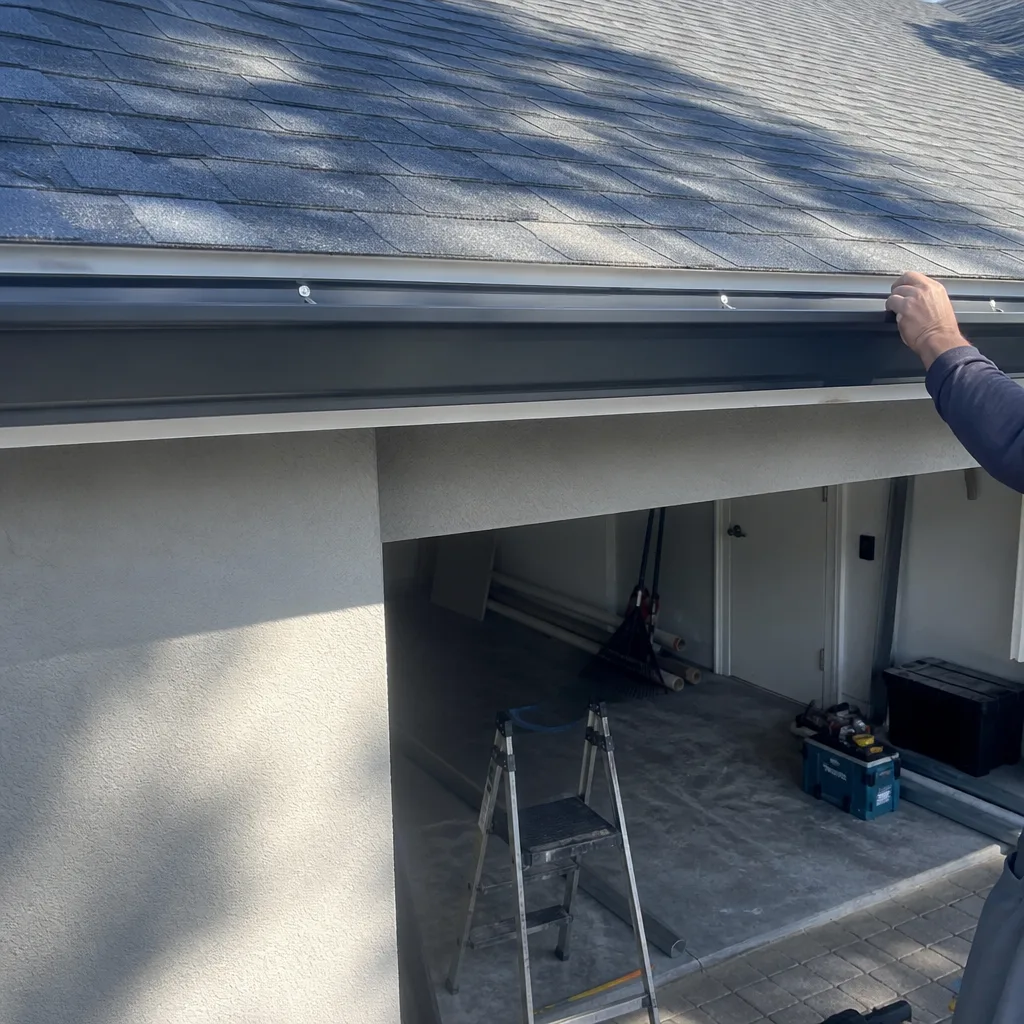 After
After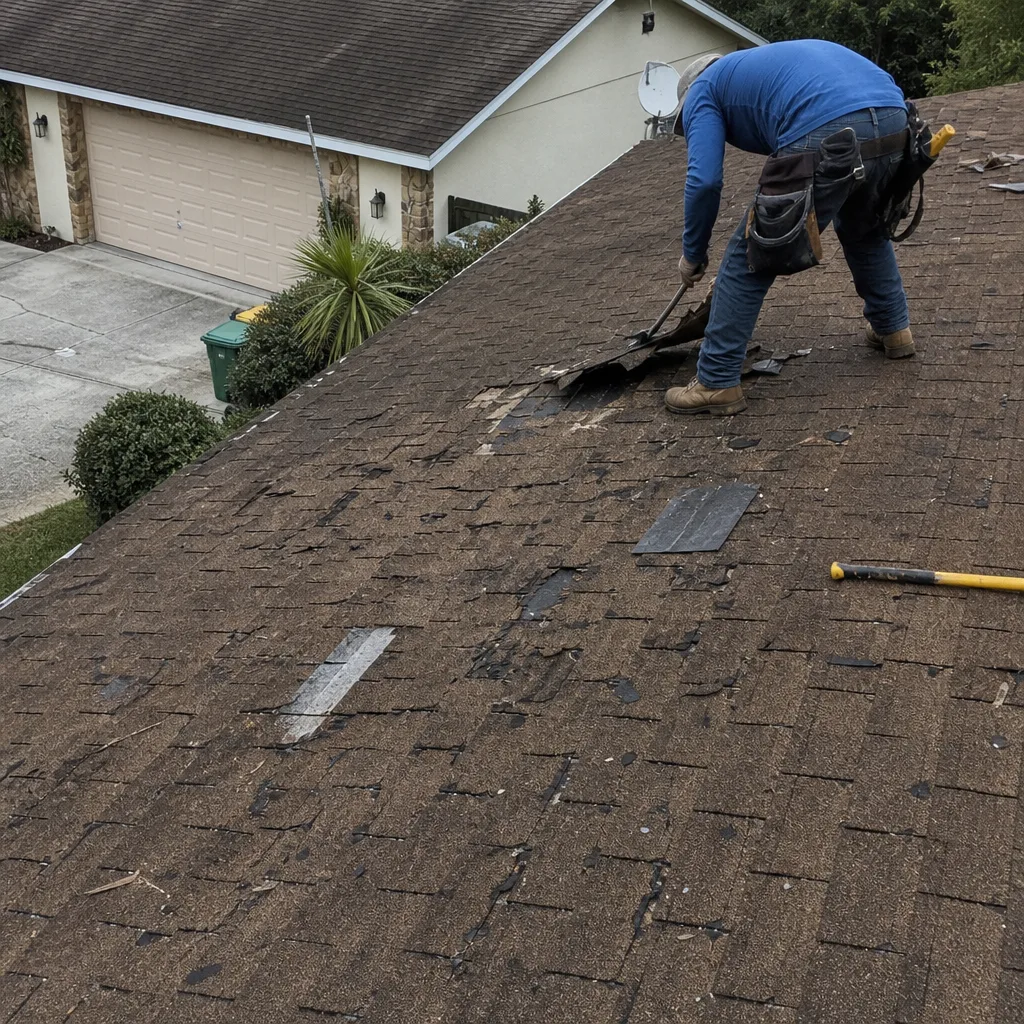 Before
 After
After