
Last updated October 17, 2026
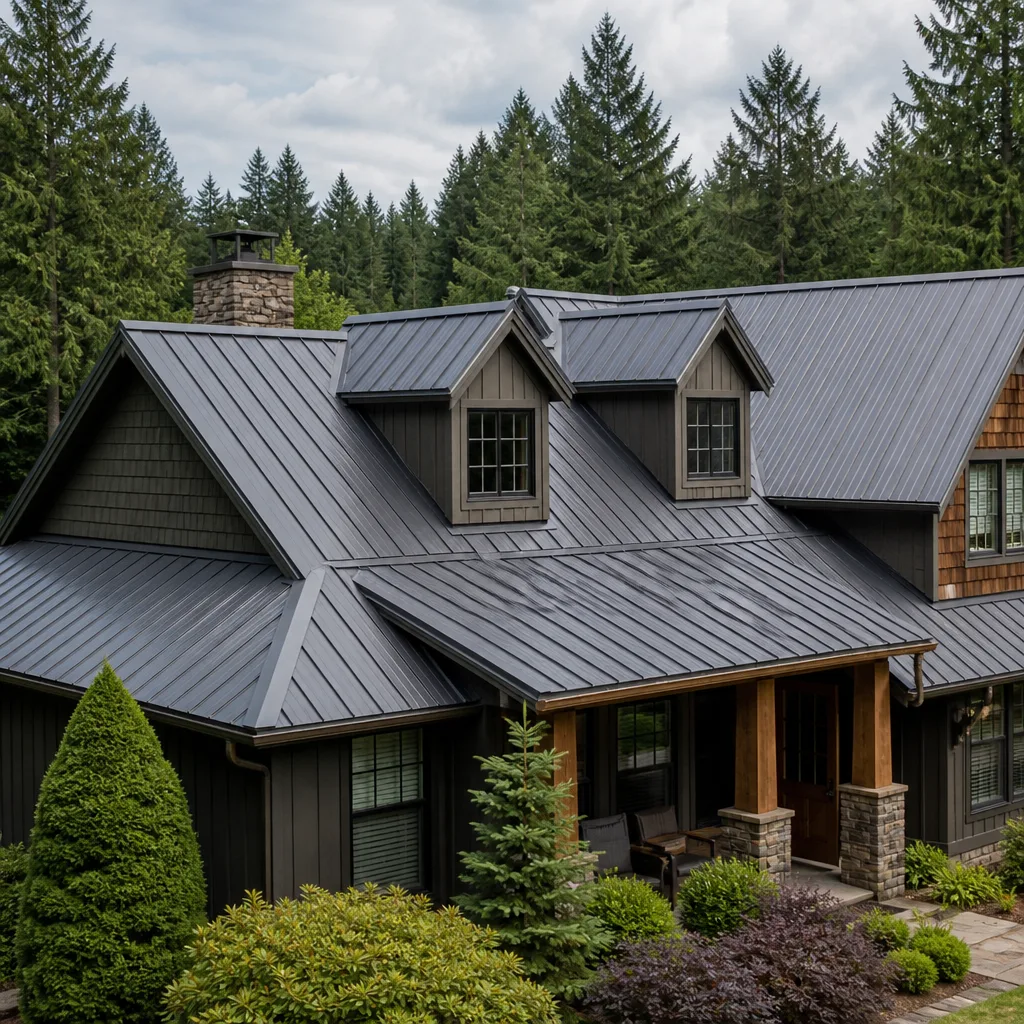 Metal roofing
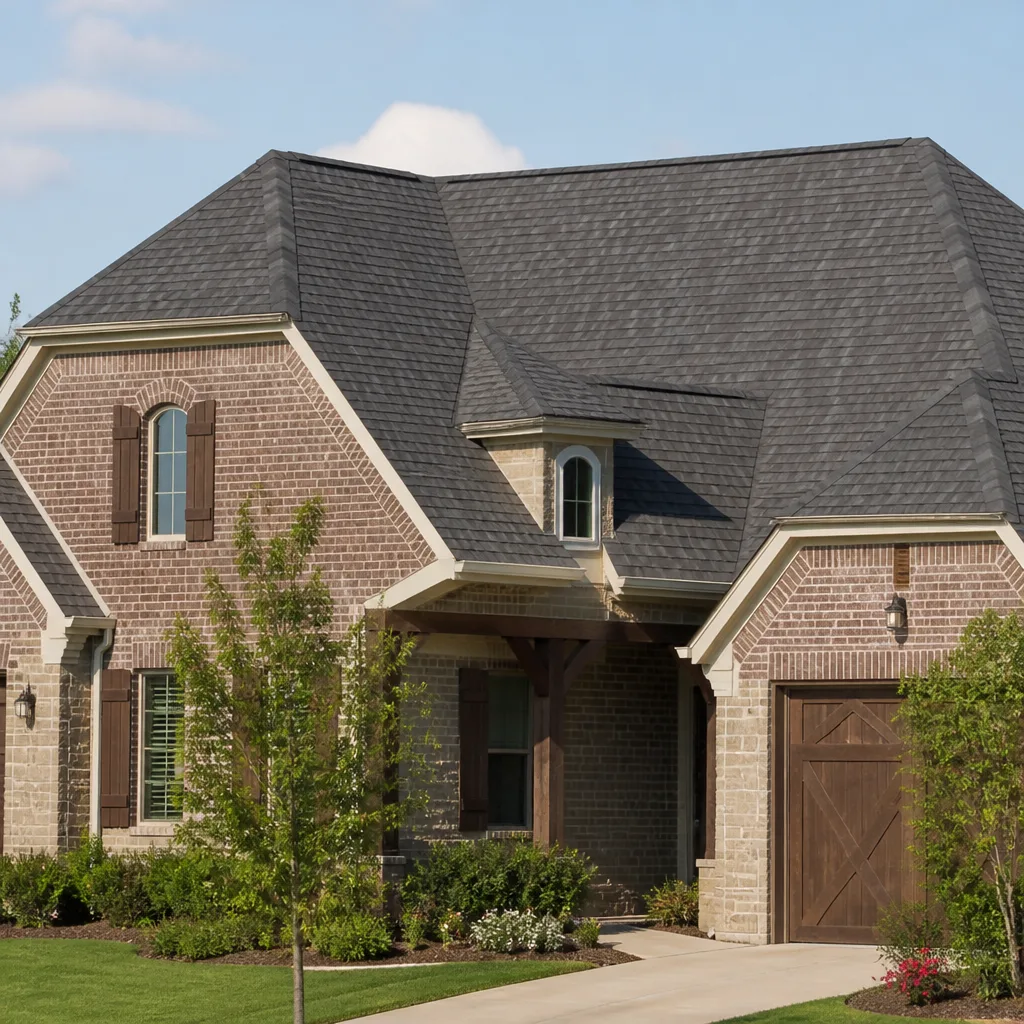 Architectural shingles
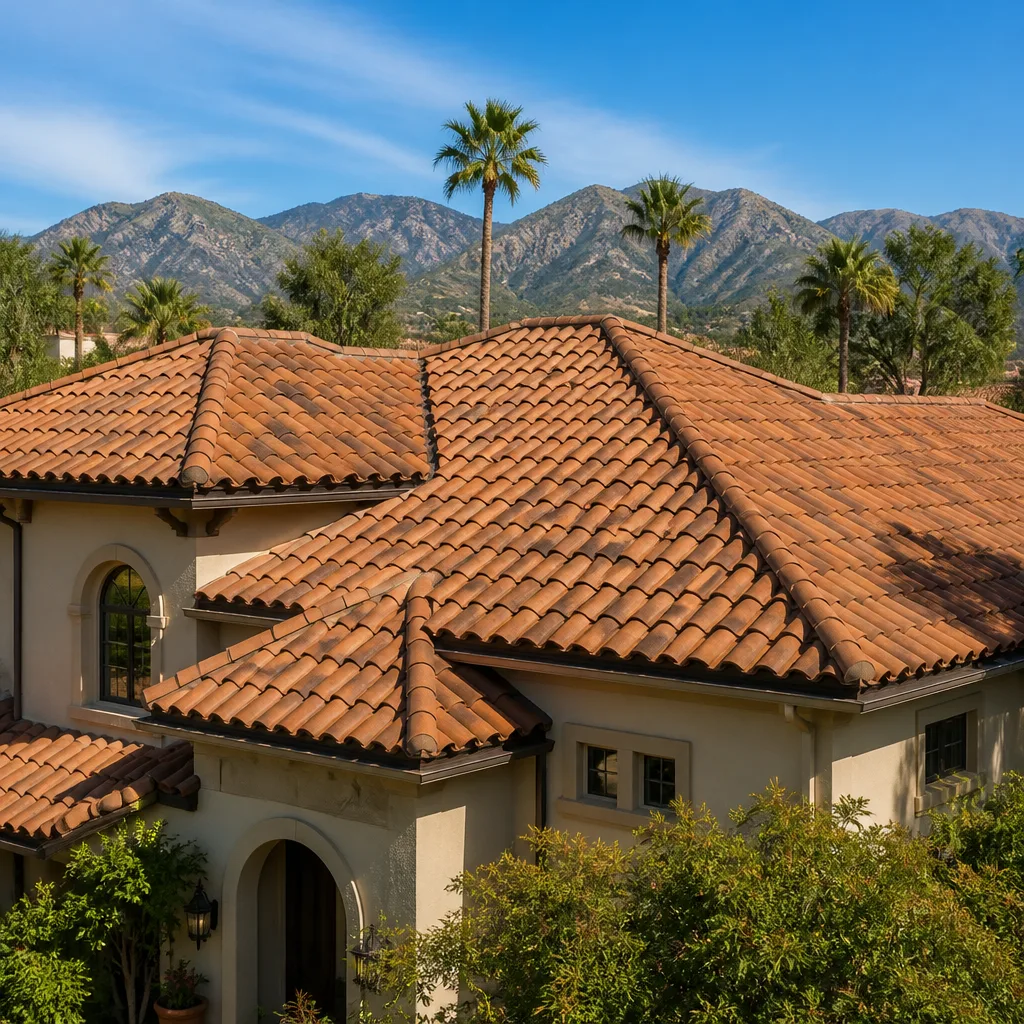 Tile roofing
 GAF
GAF Owens Corning
 Flat & low-slope
Free roof inspection with deck photos before we talk money - GAF and Owens Corning certified installation
Roofing Warning Signs: A Orlando Homeowner’s Reference Guide
Most roof warning sign guides tell you what damage looks like from the ground after it’s already serious. This one is different. By the time shingles look visibly bare from your driveway, you’ve likely lost three to five years of potential lifespan to a problem that a gutter check would have flagged two years earlier. The granule loss that eventually causes a Florida roof to fail starts small enough to look like normal dirt washing into your gutters. This guide focuses on the early, subtle indicators specific to Orlando’s climate that appear 12 to 36 months before visible failure, giving homeowners enough lead time to plan and budget rather than react.
Quick Answer
The earliest roof warning signs an Orlando homeowner can spot are granule accumulation in gutters, soffit staining patterns along the eaves, and upstairs room temperature differentials in summer, all of which typically appear one to three years before any visible shingle damage from the ground. A homeowner who checks gutters twice a year and photographs the roof after every named storm will catch most Orlando roof failures while they’re still inexpensive repairs rather than full replacements.
Styles & brands we work with
Table of Contents
- The Three Interior Signs That Appear Before Exterior Damage
- Granule Loss: What’s Normal and What’s Accelerated UV Degradation
- Algae vs. Lichen: The Cosmetic-Structural Distinction That Matters in Orlando
- Florida-Specific Flashing Failure Patterns
- After-Storm Assessment from the Ground: What to Photograph and When to Call
- The Orlando Roof Deterioration Timeline: What to Expect at Years 8, 12, and 15
- Common Mistakes to Avoid
- When to Call a Professional
- Frequently Asked Questions
The Three Interior Signs That Appear Before Exterior Damage
Most Orlando homeowners only think about their roof when they see a water stain on the ceiling. But by the time water reaches drywall, the breach in your roofing system has existed for months, sometimes years. The roof tells you it’s failing long before it leaks, and it tells you from the inside first. There are three interior locations that consistently show roof stress before any exterior sign appears: attic humidity readings, soffit staining patterns, and upstairs room temperature differentials in summer.
Attic Humidity Readings
In Orlando, your attic should be a dry, hot space in summer, not a humid one. A properly ventilated attic pulls outside air through soffit vents and exhausts it through ridge vents or static vents near the peak. When that airflow stalls, because insulation blocks the soffit vents, or because a bathroom exhaust fan vents directly into the attic instead of through the roof, the humidity climbs. Repeated readings above 60% relative humidity in your attic on a clear day, not following rain, indicate a ventilation problem that will prematurely age your shingles from the underside. Shingle manufacturers including GAF and CertainTeed make their material warranties conditional on proper ventilation, and in our experience, Orlando homes with chronically humid attics show shingle curling three to five years earlier than identical homes with working ventilation.
To check, an inexpensive digital hygrometer left in the attic for a week gives you a baseline. If you see readings above 60% on sunny days, start with the simple fix: verify your bathroom and kitchen exhaust fans actually terminate through a roof cap, not into the attic cavity. Then, in daylight, look up from inside the attic to confirm light is visible through the soffit vents. Dark soffits mean blocked airflow, and blocked airflow in Orlando’s climate means a roof that ages twice as fast as it should.
Soffit Staining Patterns
Walk around the perimeter of your Orlando home and look up at the underside of the roof overhang, the soffit. What you’re looking for is not uniform dirt, but localized staining that follows a pattern. A darkened band of soffit directly below a specific point, where the roof meets a wall, or along a valley, or beneath a plumbing vent pipe, indicates water is traveling along the roof deck and exiting at the eave rather than flowing down the roof surface and into the gutter. This is often the first visible sign of a small leak or failing flashing, appearing months before any ceiling stain inside the house.
The distinction matters. Even, uniform discoloration across the entire soffit line from dust and pollen is normal for Orlando. Staining that appears in one location, or that darkens after rain, or that shows a subtle drip pattern, is not. In neighborhoods like College Park and Winter Park where homes have detailed eaves and multiple roof planes, soffit staining at plane intersections is a common early indicator of valley failure or step flashing breakdown.
Upstairs Room Temperature Differentials in Summer
In July, when your thermostat reads 74 and your upstairs back bedroom still feels like 82 with the A/C running, most homeowners blame the HVAC system. Often, the HVAC tech checks out fine. The actual culprit is degraded roof decking or insufficient underlayment allowing radiant heat through the roof structure itself. When decking absorbs moisture from small, slow leaks, it loses its insulating capacity long before water reaches your ceiling. The room below feels warm and damp even with vents fully open. This is a roof problem masquerading as an HVAC problem, and it’s one of the most overlooked early warning signs in Orlando where the summer sun punishes exposed roof decks for months at a time.
What to do: instead of calling another HVAC tech, have a roofer inspect the attic directly above that warm room. Look for darkened decking, which indicates past or present moisture absorption, and check for gaps in the underlayment. The fix at this stage is usually a localized repair of decking or ventilation, not a full roof installation.
Granule Loss: What’s Normal and What’s Accelerated UV Degradation
Asphalt shingles are manufactured with a surface layer of ceramic-coated mineral granules. Those granules serve two functions: they block UV radiation from degrading the asphalt, and they provide the color and texture of the roof. They shed. Every shingle on every roof loses granules as it ages, especially in the first year after installation when excess granules from the manufacturing process wash off. What matters for an Orlando homeowner is the rate and pattern of that loss.
New shingle roofs in Orlando typically shed noticeably for the first six to twelve months. You’ll see granules accumulate in gutters after heavy rain. This is normal. After year two, granule loss should slow dramatically. If you’re cleaning your gutters in year three or four and finding thick, consistent layers of granules every time, that’s not normal shedding. That’s accelerated UV degradation specific to Florida asphalt shingles. The intensity of Orlando’s sun, combined with the thermal cycling of hot days and afternoon thunderstorms, breaks down the asphalt binder far faster than in northern climates.
How to Tell the Difference in Your Gutters
There’s a simple visual test. Normal shedding produces granules that look like they belong on your roof, the color matches your shingles, and the amount tapers off after the first year. Accelerated UV degradation produces granules that look bleached, pale, or chalky, often from shingles that are themselves losing color. You’ll also find small, brittle fragments of shingle material mixed in, not just granules alone. The granules themselves will feel finer, almost powdery, where normal granules are coarser.
Next step: look at the roof surface itself. A flashlight at a low angle along the shingle surface at dusk will reveal patchy areas where granules have worn thin and the dark asphalt base shows through in streaks. That’s the appearance of UV-aged shingles. Where most Florida roofs reach that stage at year fifteen, a poorly ventilated attic or a roof installed without an adequate underlayment can reach it at year nine or ten. That’s a five-year lifespan loss caused by a fixable condition a roofing company in Orlando could have corrected early.
Algae vs. Lichen: The Cosmetic-Structural Distinction That Matters in Orlando
Orlando’s humidity means nearly every roof in the area will eventually show dark staining, particularly on north-facing slopes and under tree cover. Homeowners call it mold. Roofers call it Gloeocapsa magma, a blue-green algae that feeds on the limestone filler in asphalt shingles. It’s cosmetic. It doesn’t shorten the life of your roof, it doesn’t cause leaks, and it doesn’t structurally damage the shingle. It looks terrible, and it can be cleaned, and that’s the entire story.
Lichen is a different organism entirely. Lichen is a composite organism, part fungus, part algae, and unlike surface algae, lichen anchors itself to the shingle with root-like structures called rhizines. Those rhizines penetrate the granular surface and the asphalt mat beneath. They physically pry granules loose, create pathways for moisture to reach the shingle’s fiberglass core, and accelerate granule loss in the exact spots where the lichen colonies sit. In Orlando’s wet-dry cycling, lichen colonies expand during the rainy season and contract during dry spells, working like a prying tool on the shingle surface year after year.
Visual Identification
Algae is flat. It appears as black or dark streaks, stains, or a uniform film that follows the shingle surface. It has no texture you can feel. Lichen is raised. It appears as crusty, peeling, often pale gray-green or pale orange patches that sit on top of the shingle surface. It looks like splotches of dried paint or irregular crust, and it has a definite texture. If you run a fingernail over it, lichen resists. From the ground, lichen often looks slightly lighter than surrounding algae staining and appears in irregular clumps rather than downward streaks.
If you find lichen on your Orlando roof, it’s time for an inspection. Surface algae can be treated cosmetically with a soft wash. Lichen with root penetration has already begun damaging shingle structure. The roof may be salvageable with localized shingle replacement where lichen colonies are dense, but only if it’s caught early. Every year lichen sits on Florida shingles, it’s doing the work of a decade of UV exposure in concentrated patches.
Florida-Specific Flashing Failure Patterns
Flashing is the metal, usually aluminum or galvanized steel, installed at every point where the roof surface changes or meets something else: valleys, chimneys, skylights, vents, and walls. Flashing’s job is to move water away from those interruptions and keep it flowing down the roof. In Orlando, flashing fails in patterns specific to our climate, and the failure points are consistent enough that we can tell you exactly where to look.
The primary driver is thermal cycling. Orlando’s summer creates extreme expansion during the day, often 140 degrees or more on the roof surface, followed by cooling afternoon thunderstorms that drop the temperature 40 degrees in twenty minutes. That rapid cycle, repeated daily for months, causes metal flashing to expand and contract thousands of times. Metal fatigue eventually produces hairline cracks at the points of greatest stress, and those cracks let water through slowly, over years, before any visible damage appears on the ceiling.
The Specific Failure Points in Orlando Homes
A/C curbs are the most overlooked flashing failure point in Central Florida. The metal curb that supports your outside air conditioning unit sits flat on the roof deck, often on a south-facing or west-facing exposure where it bakes all afternoon. The curb flashing takes full thermal expansion stress with no shade, and it cracks at the corners where the metal was bent during fabrication. Bend lines are the weak point, and corner cracks in A/C curb flashing are the single most common leak source we find on Orlando homes.
Pipe boots follow as a close second. The rubber boot that seals around plumbing vent pipes degrades faster in Orlando than almost anywhere else in the country because of the combination of UV intensity and ozone. A pipe boot that’s cracked, or that you can see daylight through, will pass water along the pipe and into the attic. In Orlando, we replace cracked pipe boots at year eight or nine on average, while the same boots in northern states last fifteen. Shingle brands like Atlas and Tamko require proper pipe boot replacement as part of maintaining their warranty coverage, and a cracked boot left in place is a warranty void waiting to happen.
To check from the ground: look at the corners of any black rubber boot around vent pipes on the roof. If the rubber is cracked, peeling, or has a visible gap, or if the metal collar has pulled away from the shingles, call for repair. These are small repairs, often a few hundred dollars, that prevent four-figure ceiling damage.
After-Storm Assessment from the Ground: What to Photograph and When to Call
Orlando’s summer thunderstorm season delivers high wind, sudden downpours, and occasional hail. After every significant storm, a ground-level assessment takes fifteen minutes and gives you a record that will catch damage early. What you photograph matters as much as what you look at, because insurance claims and contractor estimates both benefit from dated, clear photos of the same areas over time.
What to Photograph After Every Named Storm or Severe Thunderstorm
- Gutters and downspouts: photograph any new accumulation of granules, leaves, or debris in gutters and on the ground below downspouts. A sudden influx of granules after a storm signals wind-driven shingle abrasion.
- The ridgeline from both ends: photograph the ridge caps from a position where you can see if any caps look lifted, bent, or missing. Wind peels ridge caps first, and a missing ridge cap is an easy, inexpensive repair that prevents a wider peeling failure.
- Any flashing location: photograph vent pipes, the A/C curb, and any wall junctions from the ground. After a wind event, check for any visible movement or gap around these.
- Fascia and soffit: photograph the horizontal board where the roof meets the exterior walls. Look for anything dented, displaced, or showing fresh water staining.
- The entire roof surface in a slow sweep: one continuous video panning the roof from left to right, from both front and back, gives you a searchable record if a future issue appears.
What the Findings Mean
If you see a missing shingle, a lifted ridge cap, or debris that pierced the roof surface, that’s a 48-hour response item. Water enters through even small gaps, and in Orlando’s rain cycle, water doesn’t stop at the first dry day. It keeps coming every afternoon. A missing shingle left for two weeks becomes a soffit stain, then an attic leak, then a ceiling stain. The repair cost escalates at each step.
If you see only granule accumulation and minor shingle movement with no visible gaps, that’s a next-scheduled-inspection item. Document it in photos and monitor. A roof repair in Orlando for granule loss or minor cupping now costs far less than the same issue addressed after Florida’s rainy season has had months to exploit it.
The Orlando Roof Deterioration Timeline: What to Expect at Years 8, 12, and 15
Every roof ages on its own schedule, but Orlando’s climate compresses the timeline in predictable ways. Understanding where your roof sits on this schedule helps you plan financially instead of reacting to a failure. These are working expectations based on the most common conditions we see in Orlando and surrounding communities, not guarantees for your specific home.
Year 8: The First Maintenance Milestone
At eight years old, an Orlando asphalt shingle roof has experienced roughly eight full cycles of intense Florida UV exposure, thermal cycling, and summer thunderstorm seasons. This is when pipe boots predictably crack, minor flashing separations appear at A/C curbs, and ventilation issues begin to show their effect on shingle condition. At year eight, most roofs are structurally sound, but the maintenance items that determine whether the roof reaches fifteen years or twenty are already developing. This is the ideal time for a full inspection and localized repairs.
Year 12: The Decision Point
At year twelve, an Orlando roof shows its genetic code. Roofs that were installed with proper underlayment, adequate ventilation, and intact flashing are still in good condition, showing normal wear but no systemic failure. Roofs that had any installation compromise or chronic ventilation problems now show visible shingle curling, granule loss at the edges, and occasional minor leaks. This is the point where homeowners decide whether to invest in targeted repairs to extend the roof’s life by three to five years, or to plan for replacement within the budget cycle. Shingle brands like GAF and Owens Corning typically carry material warranties that extend to 30 years or more, but the workmanship and environmental factors in Orlando usually determine the real lifespan more than the warranty term.
Year 15: The Replacement Window
Most Orlando asphalt shingle roofs reach functional end of life between 15 and 18 years. By year fifteen, granule loss is visible from the ground on most homes, shingles have lost flexibility from UV exposure, and the underlayment has begun to break down. This is not the moment a roof suddenly leaks everywhere; it’s the point where the roof no longer provides reliable protection against Orlando’s convective thunderstorms, and small issues compound quickly. Homeowners who plan for replacement at year fifteen, instead of reacting to a major leak at year seventeen, save significantly on interior damage repairs and can schedule the work during a dry season instead of during summer storm recovery.
These timelines are the reason we emphasize early warning signs. A gutter check at year nine that catches granule loss and a cracked pipe boot gives you a repair bill measured in hundreds. The same roof at year fifteen found through a water stain on the bedroom ceiling gives you a replacement bill measured in thousands, plus drywall repair, plus paint, plus the stress of an emergency. The information in this guide is designed to help Orlando homeowners move from the second path to the first.
Common Mistakes to Avoid
- Checking the roof only after a visible leak appears. By the time water shows on a ceiling, the roofing breach has existed for months or years. The interior damage, from wet insulation to weakened decking, often exceeds the roofing repair cost itself.
- Treating all dark roof staining as the same problem. Algae is cosmetic. Lichen is structural. Treating lichen as if it were algae with a simple cleaning leaves the root penetration intact and the damage continues silently. Orlando’s humidity makes lichen growth more aggressive than in drier climates.
- Blaming upstairs heat on the HVAC system. A hot room with a properly functioning air conditioner is often a roof ventilation or decking moisture problem. Calling the HVAC tech first wastes a service visit and delays the actual fix.
- Ignoring gutter granule accumulation after the first year. Granules in gutters at year four are not normal shedding. Persistent, heavy granule accumulation is the single clearest early indicator of accelerated shingle wear in Orlando’s UV environment.
- Waiting to repair missing shingles after a storm. In Orlando’s daily summer rain cycle, every day a shingle is missing adds water exposure. A repair that takes thirty minutes and costs $200 in week one requires a decking replacement and interior drywall work by week four.
- Assuming a 30-year warranty means a 30-year roof. Manufacturer material warranties cover the shingles, not the installation or the environmental realities of Orlando’s climate. Most Orlando roofs reach functional end of life at 15 to 18 years regardless of warranty length.
- Proceeding with repairs without a written price. A roofer who can’t put a price in writing before work starts is a risk you don’t need to take. Reputable Orlando roofers provide written pricing as a standard practice, not a special request.
When to Call a Professional
Call a professional roofer if you find lichen with raised texture on your shingles, cracked pipe boots, corner cracks in A/C curb flashing, soft or sagging areas when viewed from the ground, soffit staining that darkens after rain, or persistent attic humidity above 60% on clear days. Any of these indicates a developing problem that a trained eye can assess in one visit. If you’ve had a named storm pass through Orlando and you see missing shingles, lifted ridge caps, or anything piercing the roof surface, call within 48 hours to prevent water intrusion from the next afternoon thunderstorm. Mercer Roofing Co Orlando offers free estimates in Orlando, call (850) 757-3564. Our team is part of the Threshold Group family, founded in 2000, and every technician arrives background-checked, uniformed, and wearing a photo ID badge. We send each technician’s name and photo before the visit so you know exactly who is coming to your door, and every project includes a written price before any work begins.
Frequently Asked Questions
In Orlando, the answer depends on three factors: the roof’s age, the extent of visible wear, and whether the underlying decking is sound. Most asphalt shingle roofs in Orlando need replacement between 15 and 18 years, regardless of warranty term. If your roof is under 12 years old and the issue is localized, such as a cracked pipe boot or missing shingles from a storm, a targeted roof repair in Orlando is almost always the right call. If your roof is over 15 years old with granule loss visible from the ground, curling shingles across multiple areas, and evidence of past leaks, replacement is usually more cost-effective than endless repairs. Call (850) 757-3564 for a free assessment and written price either way.
The first signs of roof damage in Florida are granule accumulation in gutters after the first year, soffit staining at specific points along the eaves, and upstairs rooms that stay hot despite a working A/C. These appear before any visible shingle damage from the ground. In Orlando’s UV environment, shingles degrade faster than in northern climates, so the granule accumulation and attic humidity signals matter more here than they would elsewhere.
Roof repair costs in Orlando typically range from $250 to $450 for minor repairs like replacing a cracked pipe boot or resealing flashing, $400 to $800 for localized shingle replacement or small leak repairs, and $1,200 to $3,500 for larger repairs involving decking, multiple flashing points, or valley work. A full roof installation in Orlando typically ranges from $8,000 to $16,000 depending on size, pitch, and shingle brand. These are working ranges based on what we see across Orlando, not quotes. Call (850) 757-3564 for an exact written price on your specific roof.
No, not with Mercer Roofing Co Orlando. We provide a written price before any work begins, every time, and that price is what you pay unless you approve a change in writing first. If we open up a section of roof and find hidden damage that wasn’t visible from the surface, we’ll show you photos, explain what we found, and give you a written price for the additional work before proceeding. You’ll never get a surprise invoice at the end.
Most localized repairs, like pipe boot replacement, flashing resealing, or shingle replacement, take between one and three hours on site. More involved repairs that include decking replacement or multiple flashing points may take a full day. What matters more than speed is doing it right the first time, which is why every repair from our team includes a written 365-day guarantee and a free second visit if the repair fails within that year. Call (850) 757-3564 for a specific time estimate on your repair.
Manufacturer material warranties on shingle brands like GAF, CertainTeed, Atlas, and Tamko are honored, but they cover the shingles themselves, not the installation or environmental factors. Those warranties also become conditional if the roof was installed without proper ventilation or if maintenance items like pipe boots were neglected. Our workmanship guarantee is separate and is directly from us: 365 days, written, included with every repair. If the repair fails within a year, we return and make it right at no charge. That’s a promise with our name on it, not a manufacturer’s fine print.
The Bottom Line
Orlando roofs fail slowly, then suddenly all at once, from the homeowner’s perspective. The slow phase lasts two to three years, during which the signs are visible if you know where to look: granule accumulation in gutters, soffit staining at specific points, persistent attic humidity, and hot upstairs rooms. The sudden phase is the water stain on the ceiling, the emergency call, the full replacement you were not budgeted for. A homeowner who performs two gutter checks a year, photographs the roof after storms, and calls for an inspection at the first sign of any of the indicators in this guide will typically catch Orlando roof problems while they’re still repair-level, not replacement-level. The lead time this guide describes, twelve to thirty-six months, is enough to plan, budget, and schedule work on your terms rather than reacting to an emergency. That’s the goal: not to avoid roof work, but to choose when and how it happens.
Written by Grant Whitlock, Owner at Mercer Roofing Co Orlando, serving Orlando since 2000.
See the difference
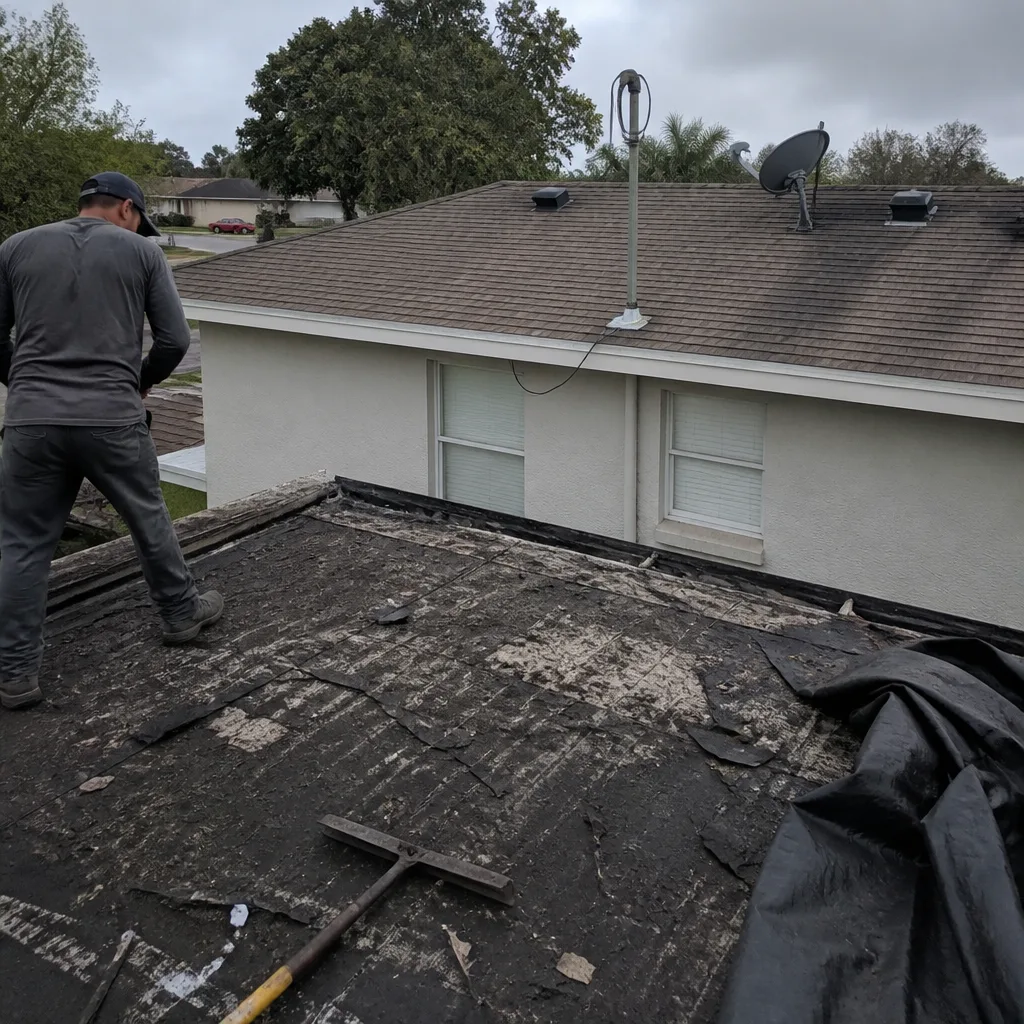 Before
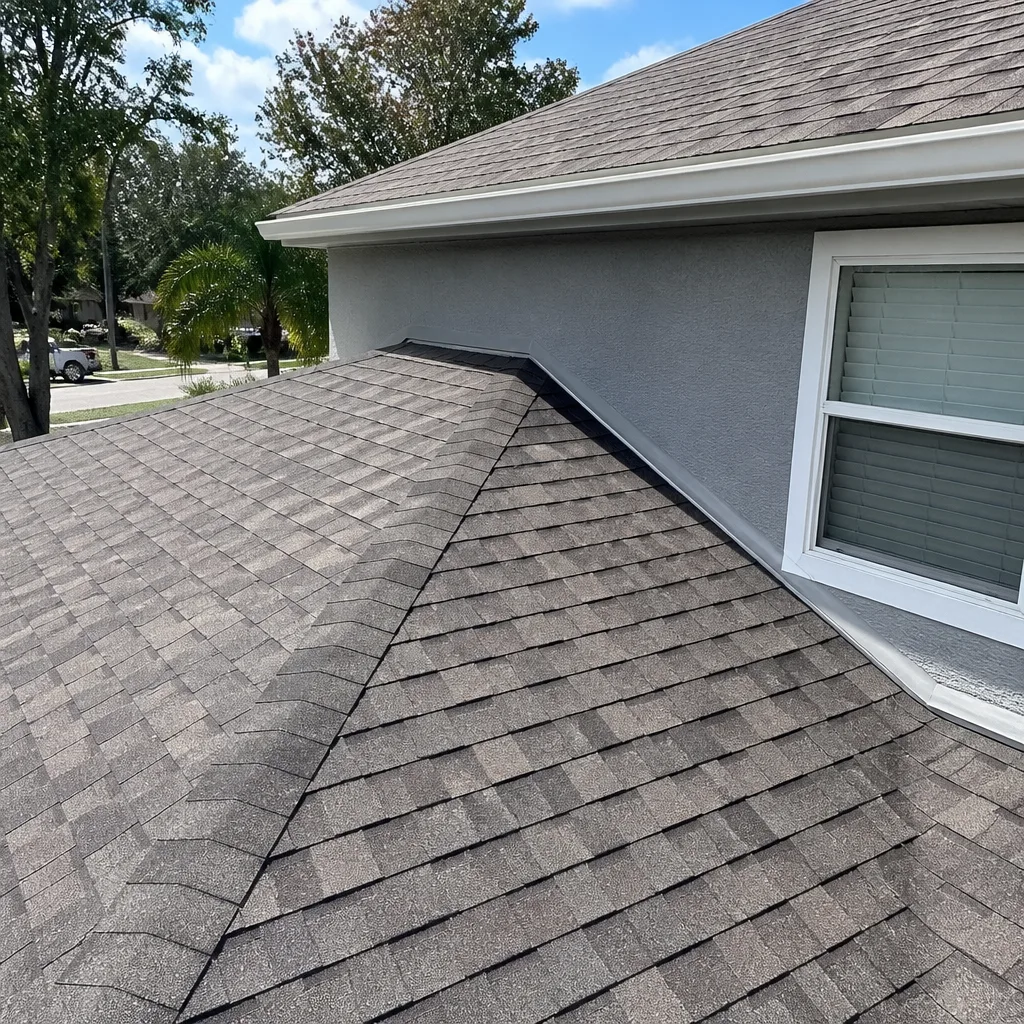 After
After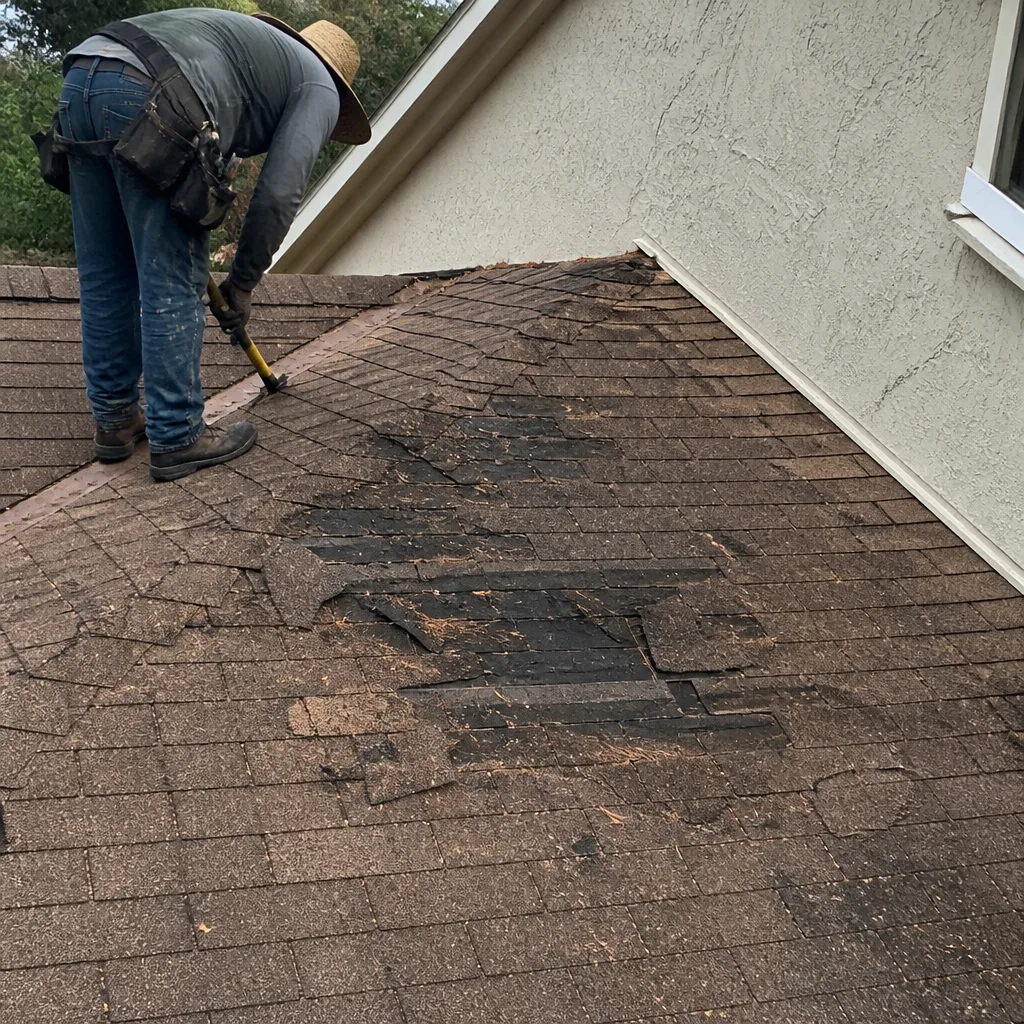 Before
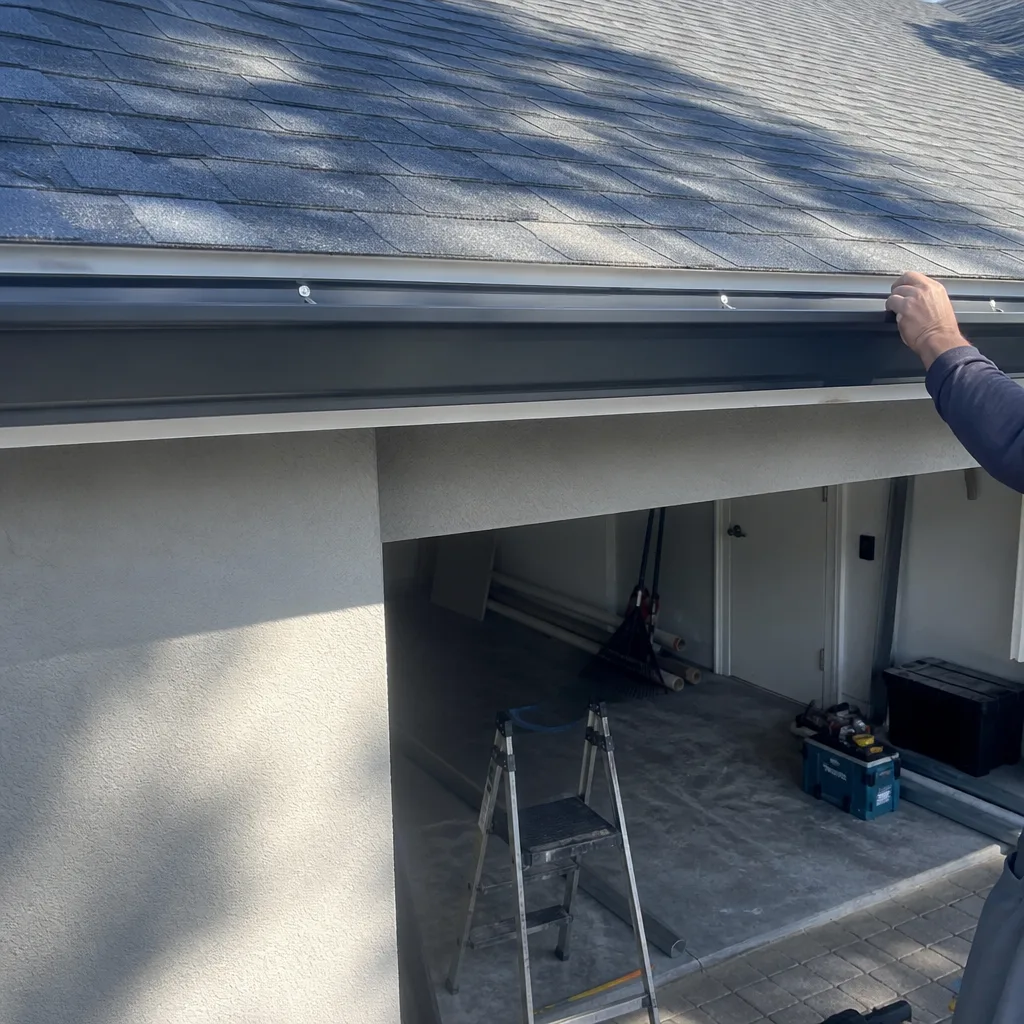 After
After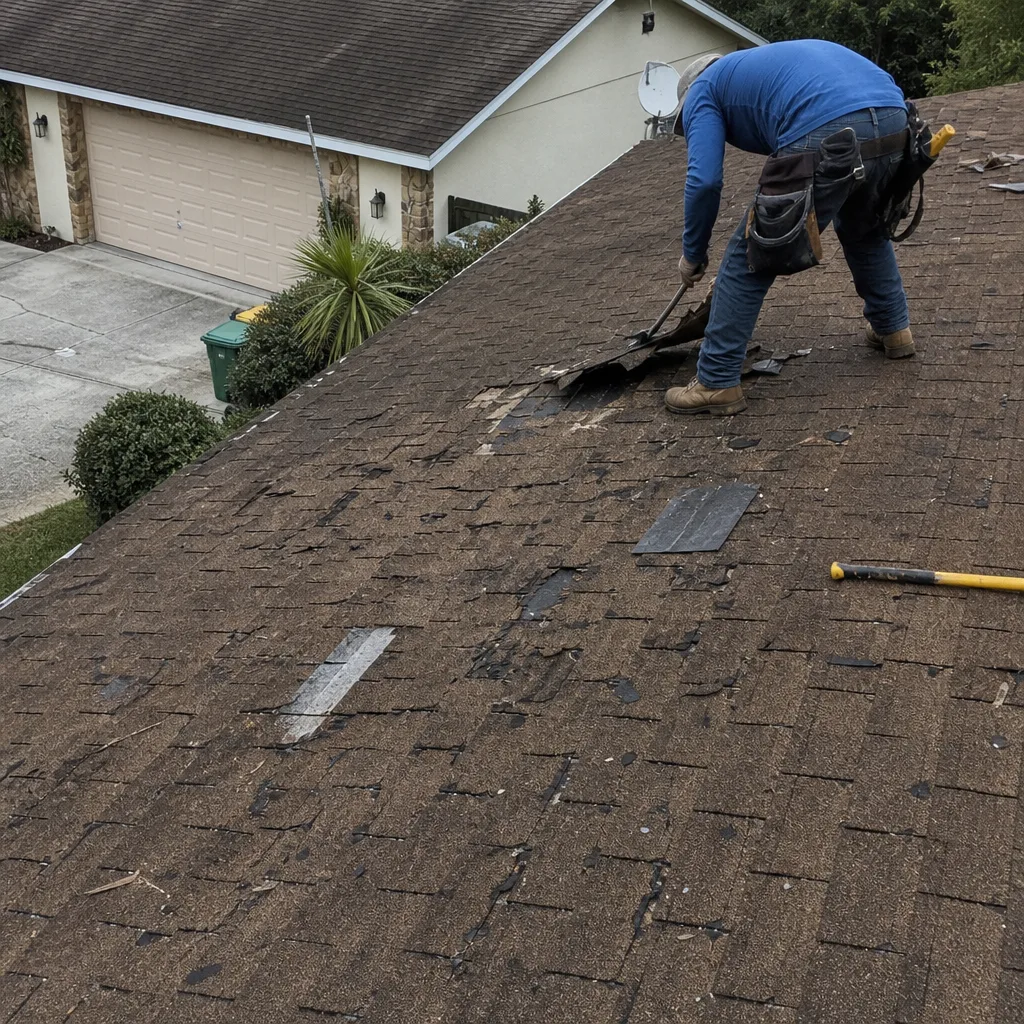 Before
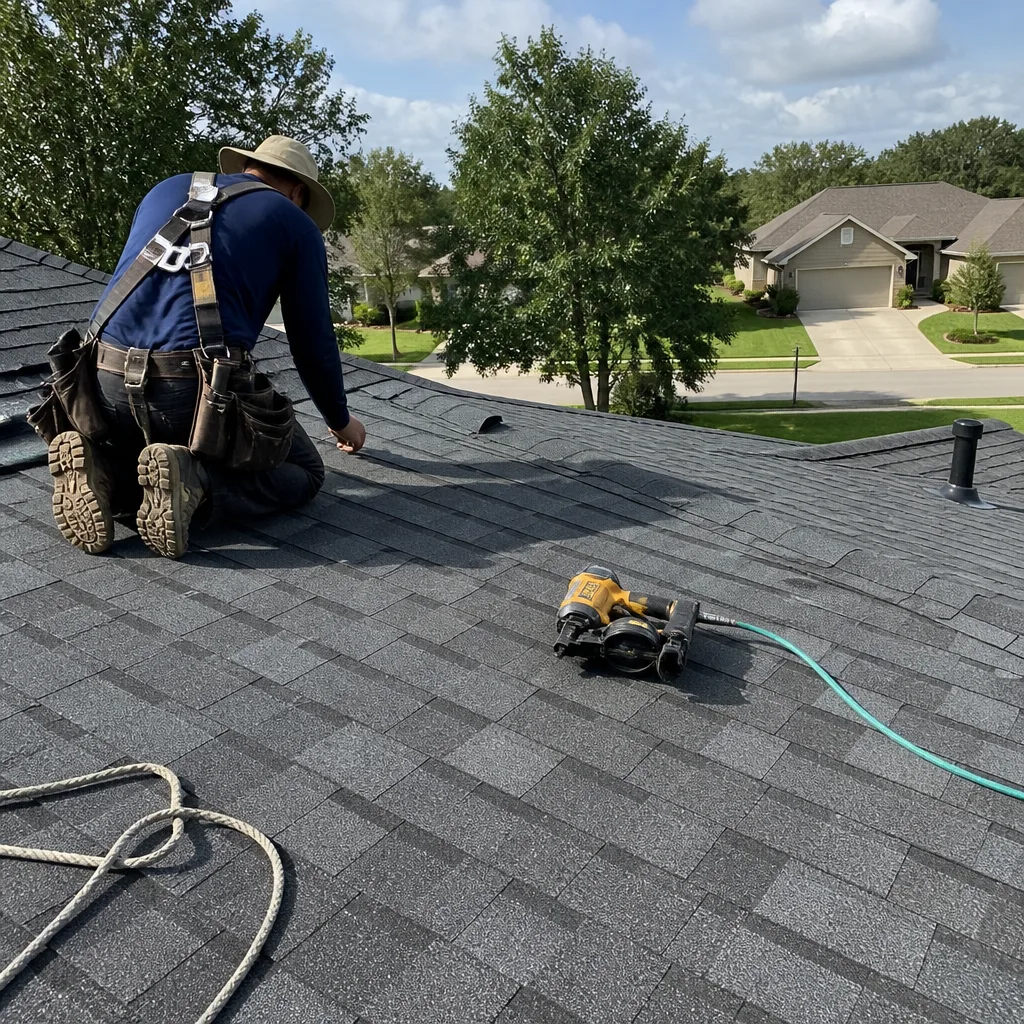 After
After