
Last updated October 17, 2026
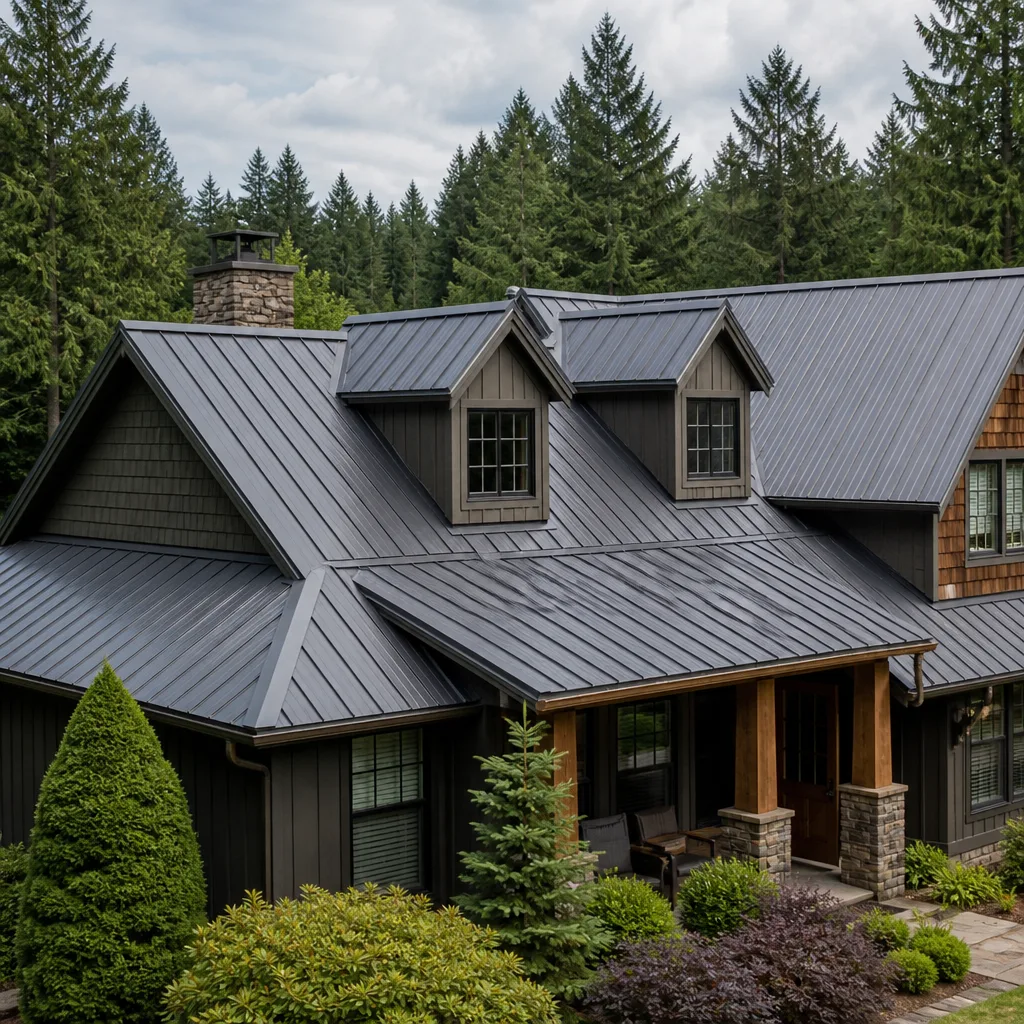 Metal roofing
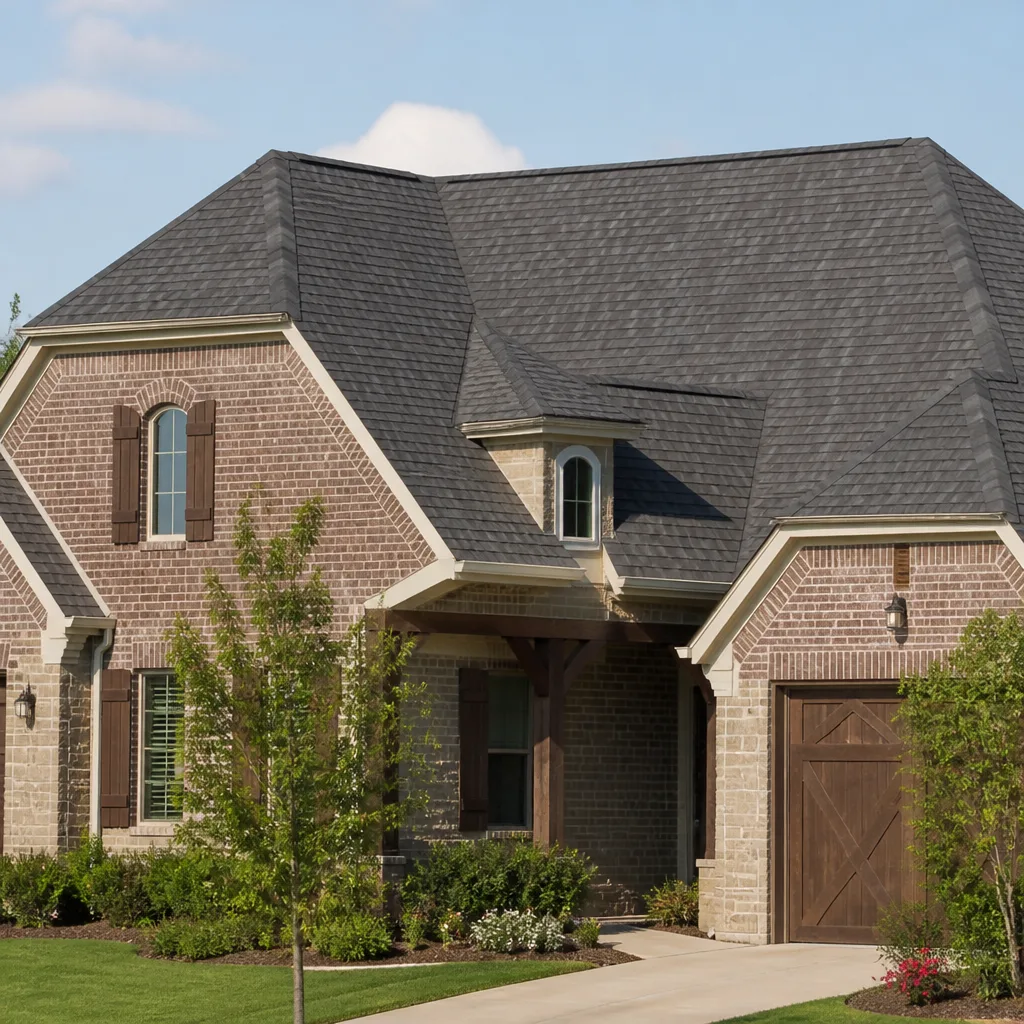 Architectural shingles
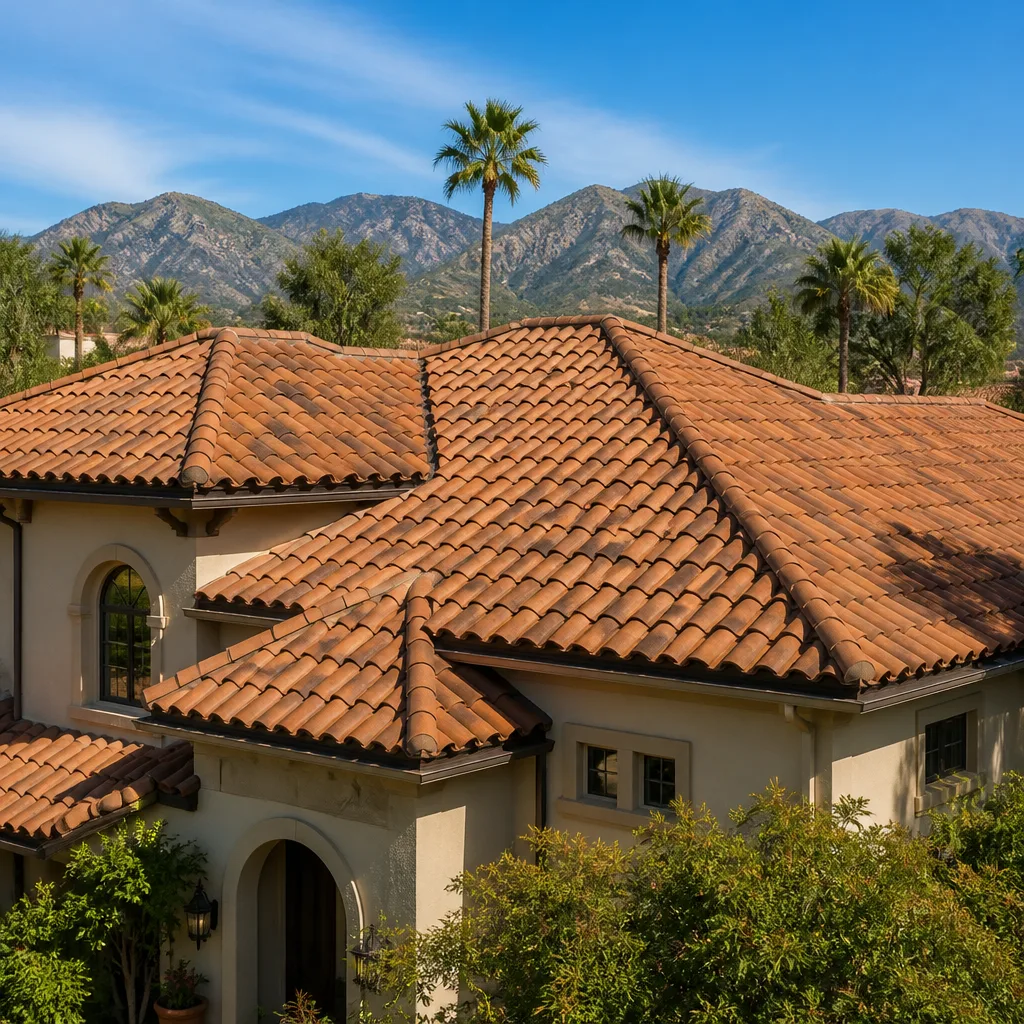 Tile roofing
 GAF
GAF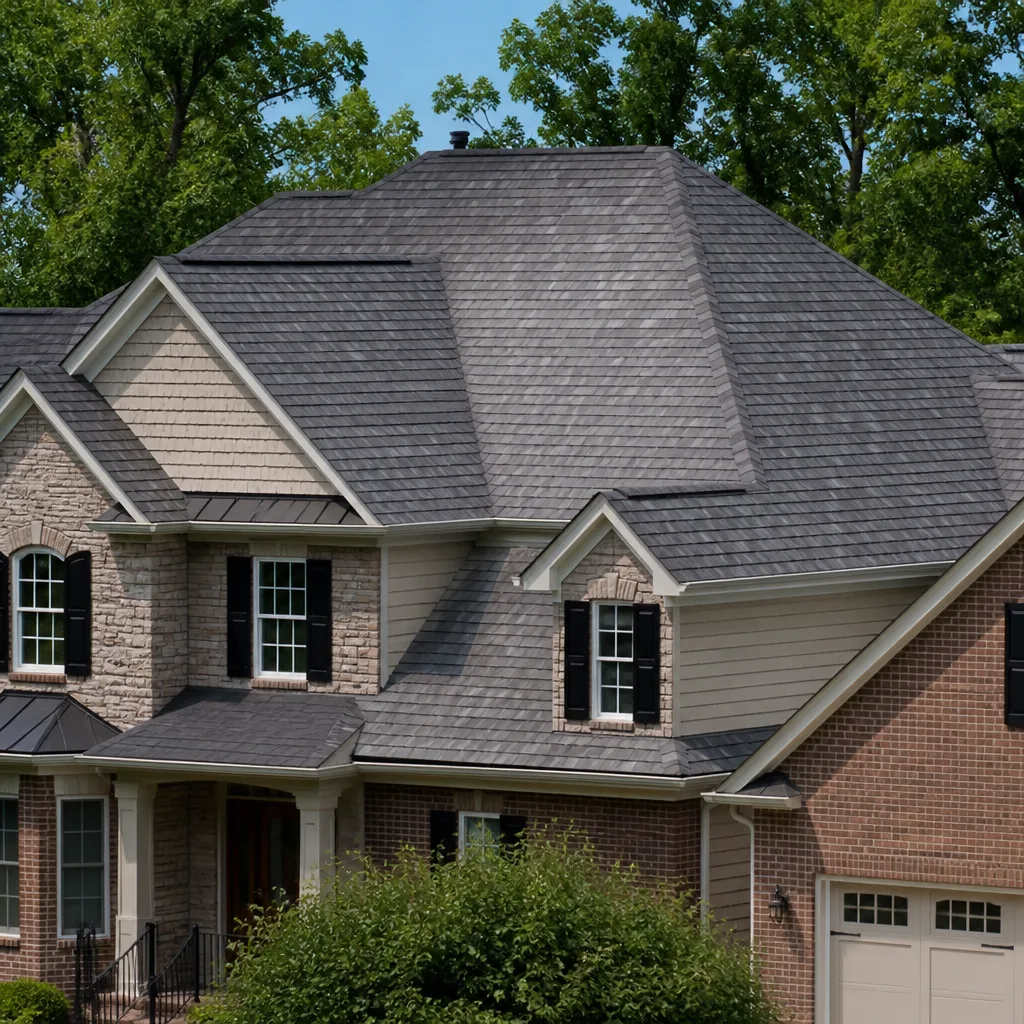 Owens Corning
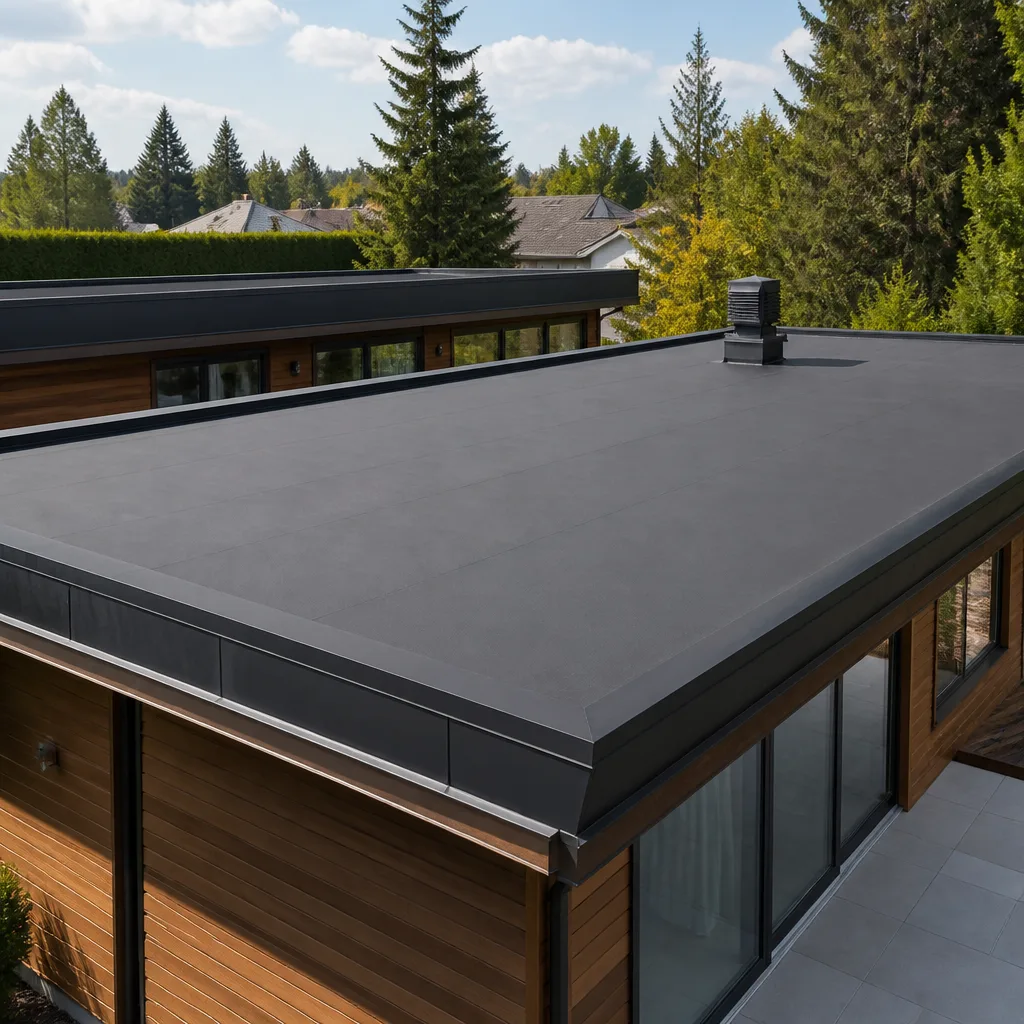 Flat & low-slope
Free roof inspection with deck photos before we talk money - GAF and Owens Corning certified installation
Roofing Cost Breakdown: The Orlando Homeowner’s Reference for 2026
In Orlando, two roofing quotes for what looks like the same job can sit $8,000 apart, and the difference usually hides in the fine print. One contractor priced a code-compliant reroof with new decking and drip edge; the other priced shingles over whatever is already up there and called it a day. This guide walks through every line item on an honest Central Florida roofing estimate so you can tell which quote protects your home and which one protects only the roofer’s margin.
Quick Answer
A full roof replacement in Orlando in 2026 typically runs $9,500 to $21,000 for an average 1,800 to 2,200 square foot home, with architectural shingles being the most common choice at roughly $450 to $650 per square (a square is 100 square feet). Most of that spread comes down to material type, whether decking needs replacement, and whether the contractor actually includes Florida-required items like drip edge and Roofing Permits, Codes & Inspections in FL: What You Need to Know. A repair, by contrast, runs $350 to $1,500 depending on what actually failed.
Styles & brands we work with
Table of Contents
- Real 2026 Price Ranges by Material Type in Orlando
- The Line Items Every Honest Orlando Estimate Should Include
- Three Florida Code Requirements Contractors Quietly Omit
- How to Compare Two Orlando Roofing Quotes That Look Different
- Legitimate Roofing Financing vs. Predatory Structures
- The Real Cost of Waiting: How a $1,200 Repair Becomes $6,000
- Material Brand Realities: What GAF, Atlas, and Tamko Actually Cost
- Common Mistakes to Avoid
- When to Call a Professional
- Frequently Asked Questions
Real 2026 Price Ranges by Material Type in Orlando
Orlando roof prices run higher than the national average for a reason: Florida Building Code requires wind mitigation measures that much of the country ignores, and the summer storm season punishes any shortcut within two or three years. Here is what we see on actual Orlando jobs in 2026, on a per-square basis (one square equals 100 square feet of roof area):
- 3-tab asphalt shingles: $280 to $380 per square. Entry-level option. Thinner, flatter, more vulnerable to wind lift. Warranties typically 20 to 25 years. We install these less often because the savings rarely hold up past the first hurricane season.
- Architectural (dimensional) shingles: $450 to $650 per square. The sweet spot for most Orlando homes. Thicker, layered construction, 30 to 50 year manufacturer warranties depending on brand and grade. GAF Timberline, CertainTeed Landmark, and Atlas Pinnacle all fall here.
- Standing seam metal: $900 to $1,400 per square. Highest upfront cost, but a 40 to 60 year lifespan and superior wind resistance. Popular in Windermere and Winter Park for long-term holds. Requires a crew with actual metal panel experience, not just a shingle crew that dabbles.
- Concrete or clay tile: $1,100 to $1,800 per square. Common in Dr. Phillips, Baldwin Park, and other higher-end Orlando neighborhoods where the architectural style calls for it. Heavy: the roof structure has to be engineered for the load, which can add $2,000 to $5,000 in reinforcement on older homes.
Within each range, what actually drives the price is the condition of the decking beneath the shingles (more on that below), how many stories the home is, roof slope and complexity, and whether the existing roof has one layer or two that must come off first. A steep, two-story roof in College Park costs more to tear off and reroof than a single-story ranch in Conway, even at the same square footage. Our Roof Installation in Orlando guide covers the installation process itself in more depth.
In our experience, the homes that land at the top of any range share one of three traits: old plywood decking that crumbles on tear-off, a roof with multiple valleys, dormers, and skylights, or a home built before 2002 that needs deck re-nailing to meet current wind code.
The Line Items Every Honest Orlando Estimate Should Include
When we hand a homeowner a written price, it is itemized for a reason. A real estimate is not a single number at the bottom of a page; it is a scope of work that tells you exactly what gets done, what gets replaced, and what gets left alone. Here are the line items that belong on every legitimate Orlando roofing estimate:
- Tear-off and haul-away: Removing the existing roof, including felt, nails, and underlayment, and hauling it to a licensed landfill. Typically $1,500 to $3,000 depending on roof size and number of layers. If a quote does not mention tear-off, the contractor is probably nailing new shingles over old ones.
- Decking inspection and replacement allowance: Plywood or OSB that shows rot, delamination, or nail fatigue must be replaced before new shingles go on. Every honest quote includes a per-sheet replacement price (typically $85 to $120 per 4×8 sheet) so you are not surprised by a change order later.
- Drip edge: Metal flashing installed at the eaves and rakes. Required by Florida Building Code on all reroofs. Runs $1.50 to $3 per linear foot including installation.
- Underlayment: The water-resistant barrier between the decking and the shingles. Florida code requires a specific type depending on the roofing system and wind zone. Synthetic underlayment runs $0.18 to $0.35 per square foot.
- Flashing: Metal material around chimneys, skylights, walls, and valleys that prevents water from sneaking under the shingles. Should be replaced or at minimum inspected and resealed on every reroof. Full replacement runs $400 to $1,200 depending on home geometry.
- Starter shingles and ridge caps: Specialized shingle types at the edges and peaks. These are not optional trim; they are functional components that anchor the roof against wind. A complete estimate lists them separately because they cost $400 to $900 on a typical roof.
- Permits and inspections: Orange County and the City of Orlando both require a reroof permit. Expect $300 to $800 depending on jurisdiction and roof value. The permit should be pulled in the contractor’s name, not yours.
- Ventilation: Ridge vents, soffit vents, or box vents that keep the attic from baking at 130 degrees and cooking the shingles from below. $300 to $800. If your roofer never mentions ventilation, ask why.
A quote that omits several of these lines is not cheaper. It is incomplete. The missing items show up as surprise change orders mid-project or, worse, as roof failures two years later when a leak finds the seam that was never flashed. As the team behind our Orlando roofing company puts it: the cheapest way to roof a house is to do it once, correctly.
Three Florida Code Requirements Contractors Quietly Omit
Some Orlando roofers win bids by leaving out items that Florida law says they must include. The homeowner finds out when the inspector fails the job, when the first storm lifts a corner, or when an insurance claim gets denied. Spotting issues early is why we publish resources like Roofing Warning Signs: A Orlando Homeowner’s Reference Guide. These are the three most common omissions we see on competitor quotes:
- Code-compliant drip edge. Florida Building Code section 1518.6 (as updated) requires drip edge at eaves and rakes on all shingle reroofs. Some contractors skip it on the rake edges to save a few hundred dollars. We have followed crews on homes in Azalea Park where the rakes had bare felt exposed because the roofer never installed drip edge there. The fix after the fact costs triple what doing it right the first time would have.
- Secondary water barrier in wind-borne debris regions. Most of Orange County sits in a wind-borne debris region per FBC. That means the roof deck needs a sealed underlayment system, not a single layer of basic felt. A quoted felt underlayment on an Orlando reroof is a red flag: the code requirement exists because a lost roof in a hurricane becomes a flooded interior, and the water barrier is the last line of defense.
- Deck re-nailing to current fastening schedule. Homes built before 2002 often have plywood nailed at a wider spacing than current wind code requires. On a reroof, the existing decking must be re-nailed or re-fixed to the current schedule before new underlayment goes down. This is labor-intensive and often skipped on the cheapest quotes. An inspector may miss it, but a Category 3 will not.
None of these three items is optional in Central Florida, and none of them adds enough cost to justify skipping. Together they typically add $700 to $2,000 to an Orlando reroof. A quote that beats your other bids by exactly that amount is not a bargain; it is a deck stacked against you.
How to Compare Two Orlando Roofing Quotes That Look Different
Most homeowners compare the totals and pick the lower number. That is the single most expensive mistake in residential roofing. Here is the method we recommend to anyone evaluating bids in Orlando:
- Lay both quotes side by side and strike every line that appears on both. Tear-off, shingles, underlayment, basic labor: those will match roughly, and they are not where the difference lives.
- Circle the lines that appear on only one quote. If Quote A includes decking replacement allowance and Quote B does not, B is not cheaper; B is deferring that cost until the crew starts pulling plywood and hands you a change order. If Quote B includes drip edge at $300 and Quote A omits it, A is quoting a code violation.
- Check the shingle brand and model on both quotes. “Architectural shingle” with no brand and no model number lets the contractor buy whatever is cheapest at the supply house that week. A GAF Timberline HDZ and a generic house-brand shingle are not the same product, and the installed price difference is $15 to $40 per square. Ask each contractor to write the manufacturer name and model line on the quote.
- Compare the decking replacement language word-for-word. “Decking replacement as needed at $95/sheet” is honest and bounded. “Decking replacement included” is fine as long as the quote also states how many sheets. “Decking not included” is the one that will cost you $2,000 to $5,000 the week the crew is on your roof.
- Normalize the warranty language. One quote says “manufacturer warranty”; another says “manufacturer warranty plus 365-day workmanship guarantee.” Those are not the same promise. A roofer who stands behind his crew’s labor in writing for a full year is pricing that certainty into the quote. We do exactly that at Mercer Roofing Co Orlando home: every repair carries a written guarantee, and a free second visit is included if the work does not hold.
After you normalize the scope, you will usually find the quotes are within $1,000 to $2,000 of each other, and the decision comes down to who you trust to show up, do the work, and answer the phone afterward. That trust piece is not soft and fuzzy; it is the difference between a roof that lasts 25 years and one that leaks in 4.
Legitimate Roofing Financing vs. Predatory Structures
Roofing is a big purchase, and most Orlando homeowners finance part of it. The problem is that roofing financing splits into two very different worlds: legitimate installment loans from banks and credit unions, and promotional structures from third-party financing firms that look attractive in the sales pitch and compound hard after 12 to 24 months.
Legitimate financing looks like a fixed-rate personal loan or HELOC from a bank, credit union, or recognized online lender. The APR sits between 7% and 12% for well-qualified buyers in 2026. The term is fixed, the monthly payment is fixed, and there is no prepayment penalty. The loan is unsecured or secured against home equity you already have, and the paperwork clearly states the total interest paid over the life of the loan.
Predatory structures usually arrive as “zero money down, no payments for 12 months” promotions. These are deferred-interest plans: interest accrues from day one at 18% to 29% APR, but is waived only if the entire balance is paid in full before the promotional window closes. Miss that deadline by one day and the full accrued interest is added to the balance. We hear from Orlando homeowners every year who financed a $14,000 roof this way, thought they had it handled, and then saw $3,400 in retroactive interest hit the balance at month 13.
Some roofing-specific financing firms also file a mechanics lien or UCC-1 fixture filing against the home as part of the contract boilerplate. That means the roofing debt becomes attached to the property itself, which complicates a future refinance or sale. Read the financing disclosure fully. If the document uses the word “lien” anywhere, ask what triggers it and whether a paid-off loan releases it automatically.
The honest approach is to ask your roofer to itemize the cash price first, before financing ever enters the conversation. A written price that stands on its own, regardless of payment method, tells you the contractor is not padding the job to absorb financing fees. Then take that number to your bank or credit union and see what rate you can get on your own.
The Real Cost of Waiting: How a $1,200 Repair Becomes $6,000
We see the same story every wet season in Orlando. A homeowner notices a small stain on the ceiling in August. The roofer says it is a $1,200 flashing repair. The homeowner decides to wait. By the following June, the stain has spread, the drywall is soft, and the decking under the shingles has been soaking in humidity and rainwater for ten months.
Here is what that progression actually costs in Orlando, using real numbers from jobs we have worked on:
- Month 1: Failed pipe boot or valley flashing. Repair cost: $350 to $1,200. Decking dry, insulation dry, ceiling cosmetic damage only.
- Month 6: Water has penetrated the decking in a 4-foot radius. Plywood is delaminating. Repair plus decking replacement in that area: $1,800 to $3,200.
- Month 12: Moisture has reached the insulation and drywall. The decking has rot in multiple areas. You are now replacing decking, insulation, drywall, and repainting the ceiling, plus the original repair: $4,500 to $6,500.
- Month 18+: Mold has set in the attic or wall cavity. Remediation alone in Orlando runs $2,000 to $8,000 depending on the area affected, and that is before the roofing work even starts.
Central Florida’s humidity is the accelerant. A leak that might stay contained for years in Phoenix spreads through a roof assembly in Orlando within months because the air inside the attic is already carrying moisture. The decking never dries out. The rot feeds on itself.
The same logic applies to wind damage. A few lifted shingles after a summer thunderstorm cost $400 to reseal. Left through hurricane season, the next storm peels back a whole section of roof, and you are looking at a full replacement, a tarp charge, and an insurance claim that may or may not cover the full scope. Our Roof Repair in Orlando page goes deeper into what we fix most often and what each repair involves.
Material Brand Realities: What GAF, Atlas, and Tamko Actually Cost
Brand matters in roofing, but not in the way most marketing suggests. A GAF Timberline HDZ, an Atlas Pinnacle Pristine, and a Tamko Heritage all sit at roughly the same installed price point in Orlando: $450 to $600 per square for architectural shingles, depending on the contractor’s labor cost and material volume. The difference between them is not a performance gulf; it is a matter of warranty structure, shingle weight, and which regional distributor offers which price that quarter.
What actually matters more than the brand emblem on the shingle wrapper is three things:
- Whether the shingle line carries a wind warranty rated for 110 mph or higher. Central Florida code requires specific wind ratings; a shingle rated below the code minimum should not be installed at all, regardless of brand prestige.
- Whether the contractor is manufacturer-certified for that line. GAF and CertainTeed both run certification programs that require installers to follow specific nailing patterns and installation methods. A certified installer means the manufacturer’s material warranty is valid. An uncertified one voids it, and the homeowner never knows until a claim is denied.
- What the contractor’s own workmanship guarantee covers. The manufacturer guarantees the shingle. The roofer guarantees the installation. Those are separate promises, and both should be in writing before work begins.
We install GAF, CertainTeed, Owens Corning, IKO, Atlas, Tamko, and Boral products, and we choose the right line for the home and the budget rather than pushing one brand as a one-size-fits-all answer. The brand debate generates a lot of heat online; the installed quality generates the value that actually shows up on your roof.
Common Mistakes to Avoid
- Choosing the lowest quote without reading it line by line. The cheapest Orlando roofing bid is usually cheap because something required has been left out. You will pay for it later, either as a change order or as a premature failure.
- Assuming a new roof does not need new decking. Central Florida’s humidity destroys decking from the inside out, especially in older homes without proper ventilation. Budget for at least a few sheets of decking replacement on any reroof of a home older than 15 years.
- Not asking about drip edge. If the contractor stumbles on this question or says it is optional, walk away. Florida Building Code says otherwise.
- Letting a door-to-door roofer start a project without seeing a written price. After a hail event or big storm, storm chasers work Orlando neighborhoods hard. A legitimate contractor hands you a written scope and price before any commitment.
- Ignoring the workmanship warranty. The manufacturer’s 30-year shingle warranty covers material defects, not installation errors. Installation errors are what cause most premature roof failures. Ask what the contractor guarantees in writing and for how long.
- Financing without reading the disclosure. Deferred-interest plans look friendly; the reality is a 24% retroactive interest bill if you miss the payoff window by a day. Get the cash price first.
- Waiting on a known leak through one more wet season. In Orlando’s humidity, leak damage compounds monthly. A $1,200 repair is the cheapest version of every problem it could become.
When to Call a Professional
Call a licensed Orlando roofer when you see a ceiling stain that grows after rain, shingles lifting at the eaves, granules collecting in the gutters, or daylight visible through the attic decking. Also call after any storm that leaves debris on the roof, even if nothing looks broken from the ground: lifted flashing and cracked seals do not show from the curb until the next rain finds them. Roof work involves working at height, and a fall from a single-story roof is a life-changing injury. We always recommend a trained professional for any inspection or repair above the gutter line. Mercer Roofing Co Orlando offers free estimates across Orlando. Call (850) 757-3564 and a live person answers, day or night.
Frequently Asked Questions
A full roof replacement in Orlando runs $9,500 to $21,000 for a typical home, with most architectural shingle reroofs landing between $11,000 and $16,000. The range depends on roof size, material choice, decking condition, roof complexity, and whether the quote includes all Florida code requirements. Call (850) 757-3564 for an exact written quote based on your home’s specific roof.
3-tab asphalt shingles are the cheapest installed material at $280 to $380 per square, but they provide the least wind and impact protection and rarely save money over time in Orlando’s storm climate. We recommend architectural shingles for most budgets because the added thickness and wind resistance matter here.
Most single-family reroofs in Orlando complete in 2 to 5 working days, depending on roof size, tear-off complexity, weather, and whether decking replacement is involved. Larger tile roofs or homes with extensive decking rot can run 1 to 2 weeks.
Yes. Orange County and the City of Orlando both require a reroof permit, and the contractor should pull it in their own name. A contractor who suggests skipping the permit to save money is putting you at risk with your insurer and the county. Estimates from Mercer Roofing Co Orlando always include permit costs.
It depends on your policy and the cause of the damage. Most Florida policies cover a roof replacement after a covered event like a hurricane or falling tree, subject to your deductible and any age-based depreciation schedule on the roof. Wear-and-tear and age-related deterioration are generally not covered.
Look for a written line-item price before work starts, a written workmanship guarantee, Florida licensing, and clear communication about who will be at your door. At Mercer Roofing Co Orlando, we send every technician’s name and photo before the visit, and each technician arrives in uniform with a photo ID badge. Call (850) 757-3564 to schedule a free estimate.
The Bottom Line
The Orlando roofing market in 2026 rewards homeowners who read the scope, not just the total. A fair quote itemizes tear-off, decking allowances, drip edge, underlayment, flashing, permits, and the specific shingle brand being installed. Florida code makes several of those items non-negotiable, and a quote that omits them is not cheaper; it is incomplete. Whether you use Mercer Roofing or another contractor, get the written price first, compare apples to apples, and do not wait on a leak through one more wet season. For a free written estimate in Orlando, call (850) 757-3564 and a real person will answer.
Written by Grant Whitlock, Owner at Mercer Roofing Co Orlando, serving Orlando since 2000.
See the difference
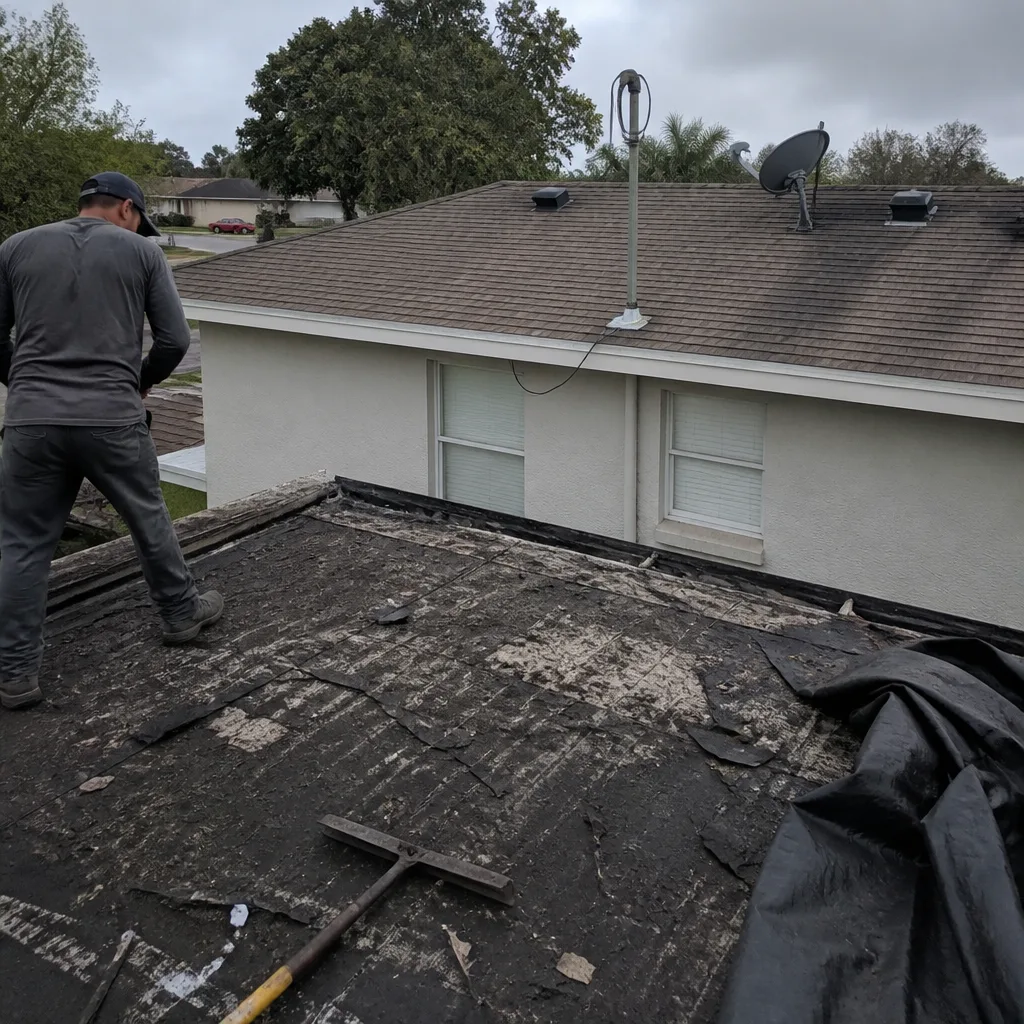 Before
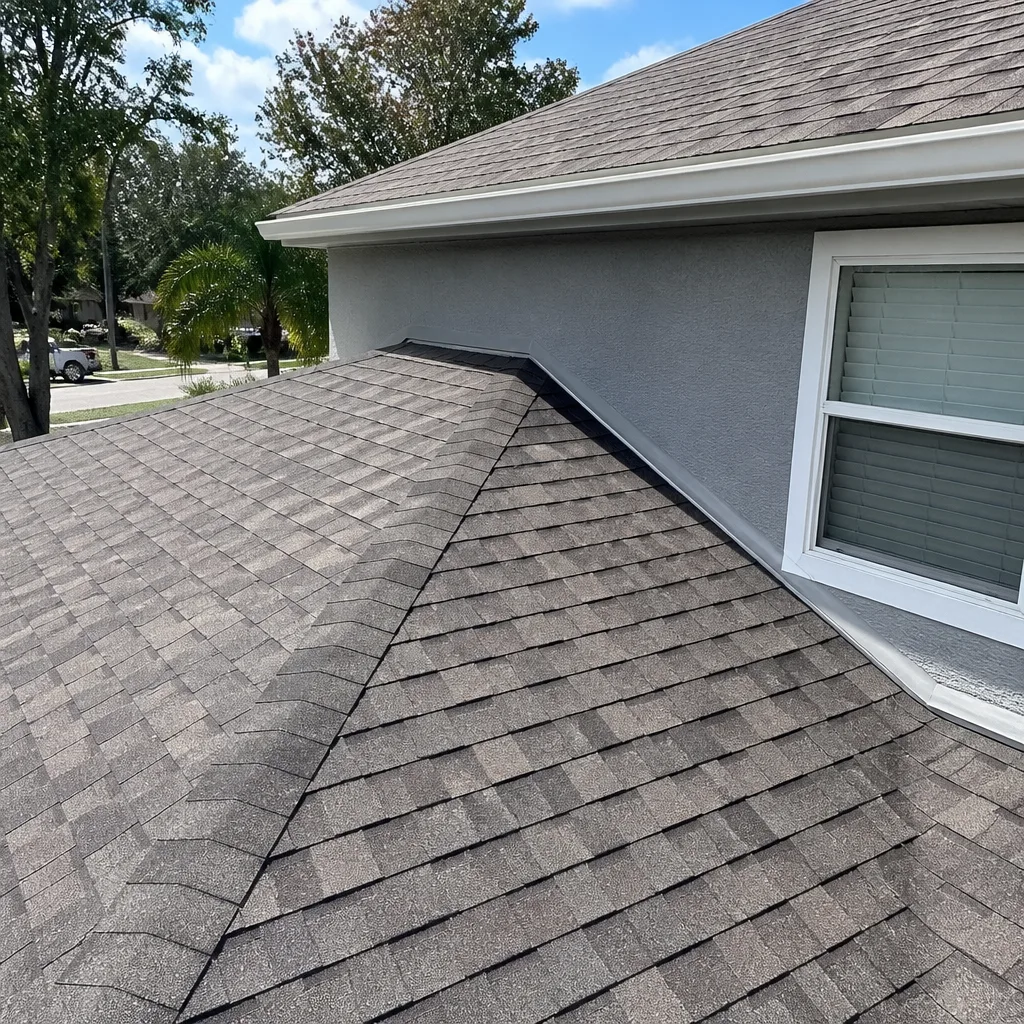 After
After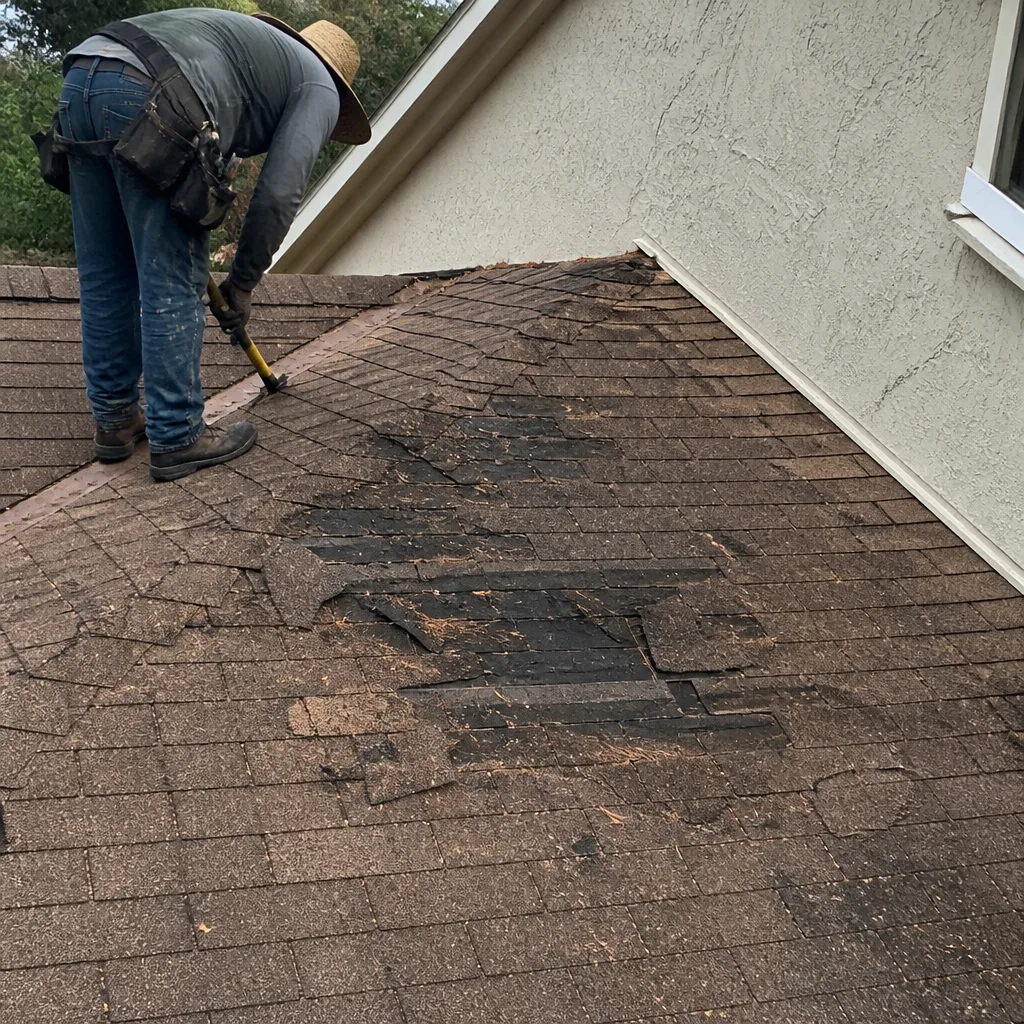 Before
 After
After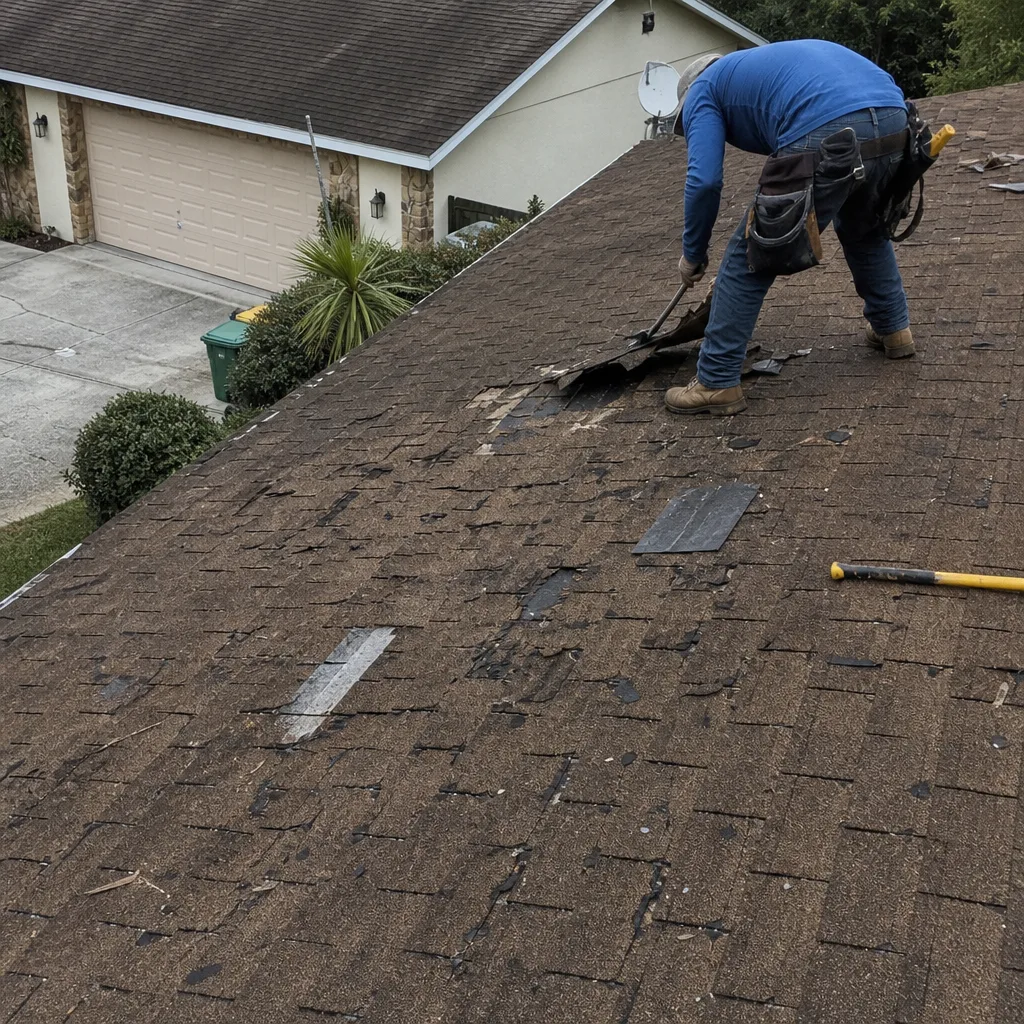 Before
 After
After