
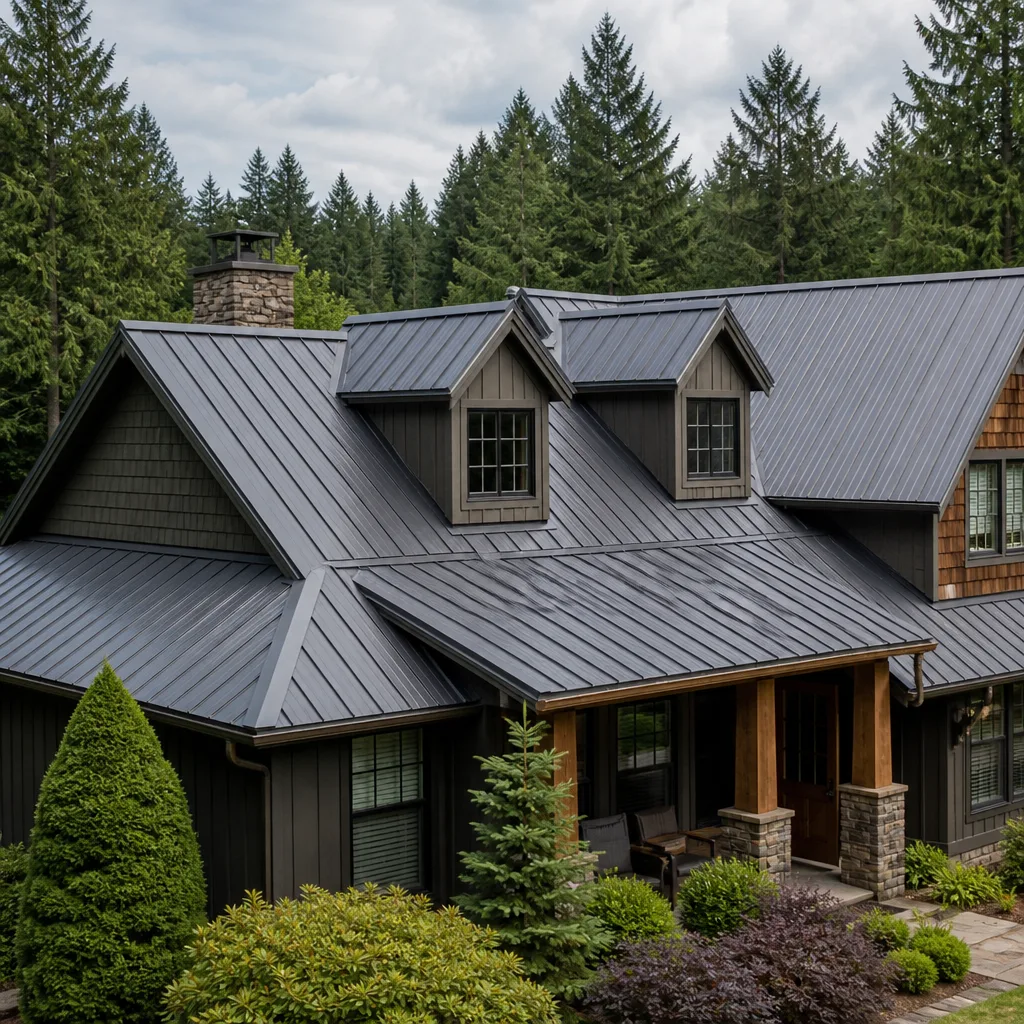
 Metal roofing
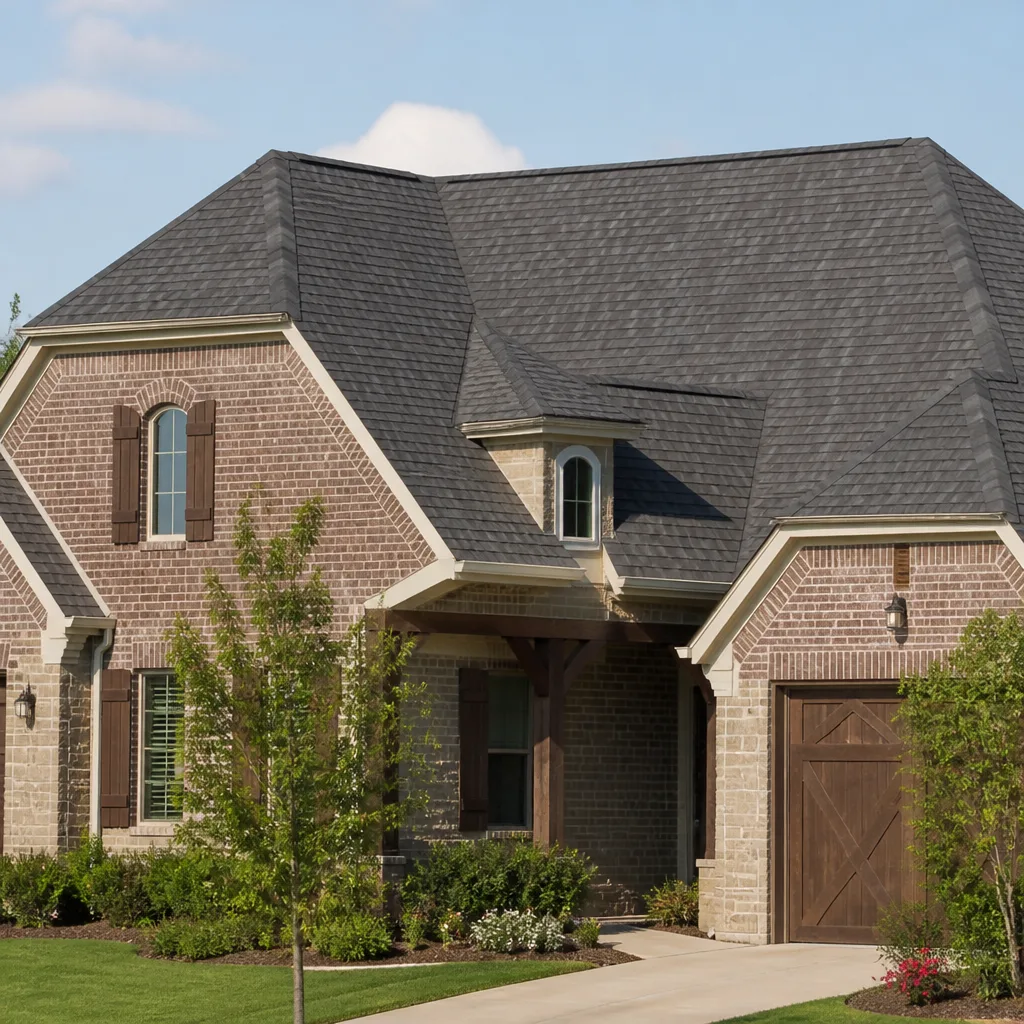 Architectural shingles
 Tile roofing
 GAF
GAF Owens Corning
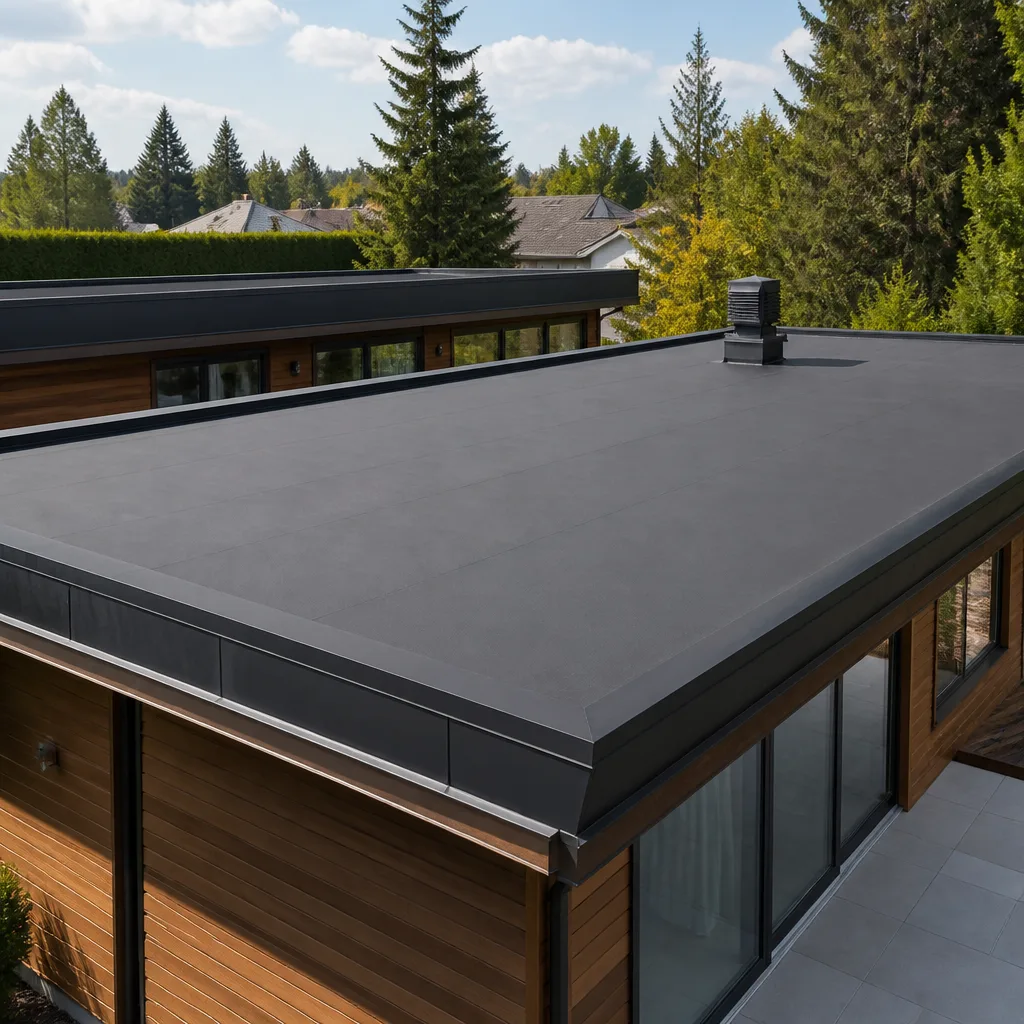 Flat & low-slope
Free roof inspection with deck photos before we talk money - GAF and Owens Corning certified installation
IKO Ridge Vent Installation: The Orlando Owner’s Guide
We stock and install IKO-compatible ridge vent systems throughout Orlando, and a full ridge vent installation on a typical single-family home here runs between $850 and $1,600 installed, with most jobs completed in a single day. That’s the installed price, not just the part, and it includes removal of the old vent, new IKO-compatible ridge vent, fasteners, end caps, and the labor to do it right. Most Orlando homeowners discover their ridge vent has failed when they climb into the attic on a July afternoon and feel the heat sitting up there like a parked car, or when the energy bill spikes and the upstairs rooms never quite cool down. The connection between a failing ridge vent and a hot house is direct: when that vent stops pulling air, your attic turns into an oven, and your AC pays for it all summer.

If you’re reading this because your IKO ridge vent is cracked, blew loose in a storm, or just isn’t doing its job anymore, here’s the short version: we can match your existing IKO setup, get the right materials on the truck, and give you a written price before we climb the ladder. Call (850) 757-3564 for a free estimate.
Which IKO Models This Applies To
IKO ridge vent products come in a few distinct lines, and the compatibility gotcha most Orlando homeowners run into is this: the IKO “Armourvent Multi” and “Armourvent Multi PLUS” are roll-form ridge vents with an internal baffle design, while IKO shingles themselves (Cambridge, Dynasty, Nordic, Marathon) don’t dictate a specific vent, but they do benefit from vents sized to the roof’s ridge length. What actually matters is the width of the vent opening and the profile of the shingle cap that sits over it. The Armourvent Multi is a 9-inch wide roll, the Multi PLUS is 11.5 inches, and there’s a rigid “Ventilation Pro” line for high-wind zones. If you’re in an Orlando neighborhood where hurricane straps and wind-mitigation credits matter, the rigid Ventilation Pro or a code-compliant equivalent is often the right call because it handles uplift better than a roll-form vent that can flap loose in a hard blow.
OEM versus aftermarket on IKO ridge vents is simpler than most roof components: IKO’s own vent is a fiberglass-reinforced polymer mat with an internal baffle that filters wind-driven rain and embers. Quality aftermarket equivalents from brands like Lomanco or Air Vent perform similarly if the profile and NFA (net free area) match the original spec. The NFA gets overlooked constantly: IKO lists net free area per linear foot on the product label, and if your installer throws on a generic vent with the wrong NFA, you get the look of a vent with half the airflow. We match NFA, not just width, because an attic that doesn’t breathe in Florida humidity is a mold problem waiting to happen. Mercer Roofing Co Orlando is an independent service provider, not affiliated with IKO, but we work with IKO products every week and know their specs cold.
Styles & brands we work with
Signs Your IKO Ridge Vent Installation Is Failing
- Attic heat you can feel from the access hatch. When you open the attic pull-down and heat hits you like a wall, the ridge vent isn’t pulling. This is a sign air isn’t moving, and the cause is usually crushed baffles, a felt overlap blocking the slot, or a vent that was nailed down too flat to function. We see this most in Kissimmee and Lake Nona attics that were never checked after the original install.
- Rust streaks or shingle granule loss right along the ridge line. A failing vent traps moisture at the peak, which accelerates shingle breakdown. The ridge shingles are always the first to go because they take full sun and full heat, and without a working vent under them, they cook from both sides. In Orlando’s afternoon thunderstorms, a ridge vent that’s let water in will leave rust marks from the fasteners or a dark, damp line running under the cap shingles.
- Water stains on ceiling drywall near the middle of rooms below the ridge. This is the one that gets homeowners’ attention. If the vent’s end caps have cracked (the plastic end caps on some IKO roll vents get brittle after five to seven years in Florida UV), or a storm lifted a section, water gets under the cap shingles and follows the truss down. We found exactly this on a Conway-area home where the leak wasn’t at the clogged gutter like the homeowner assumed, it was a cracked end cap letting wind-driven rain in.
- You hear rattling or flapping during wind. A loose ridge vent announces itself. The roll-form vents expand and contract with heat, and after enough Orlando summers, the fasteners back out, and you get a metallic rattle or plastic slap over the master bedroom during an afternoon storm. That’s not annoying, that’s water getting in.
- Your energy bill creeps up without any change in habits. When the ridge vent stops venting, attic temps climb past 140 degrees, and the heat radiates down through the insulation into the upstairs rooms. Your AC runs longer, you pay more, and the upstairs still feels warm at midnight. Grant Whitlock has seen this exact scenario in Hunters Creek and Dr. Phillips homes where the vent looked fine from the street but was functionally dead underneath.
See the difference
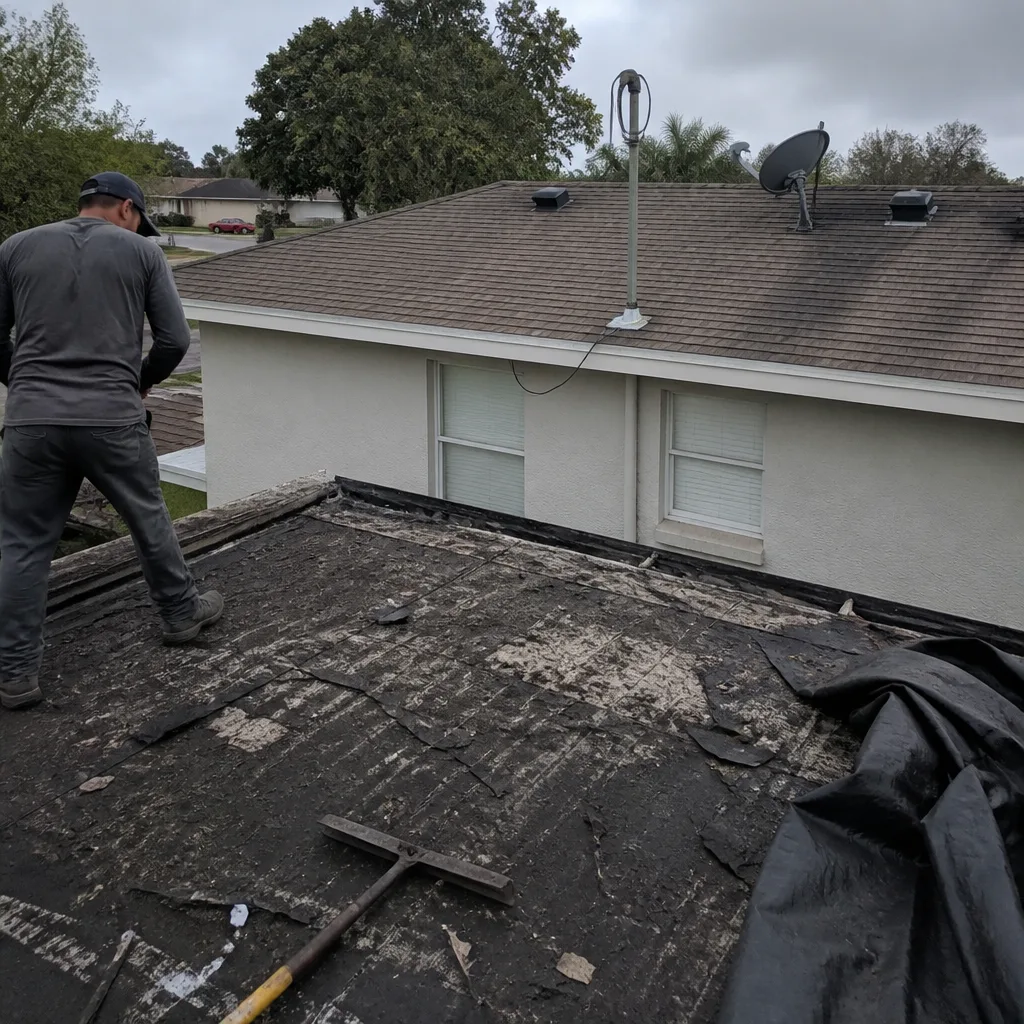 Before
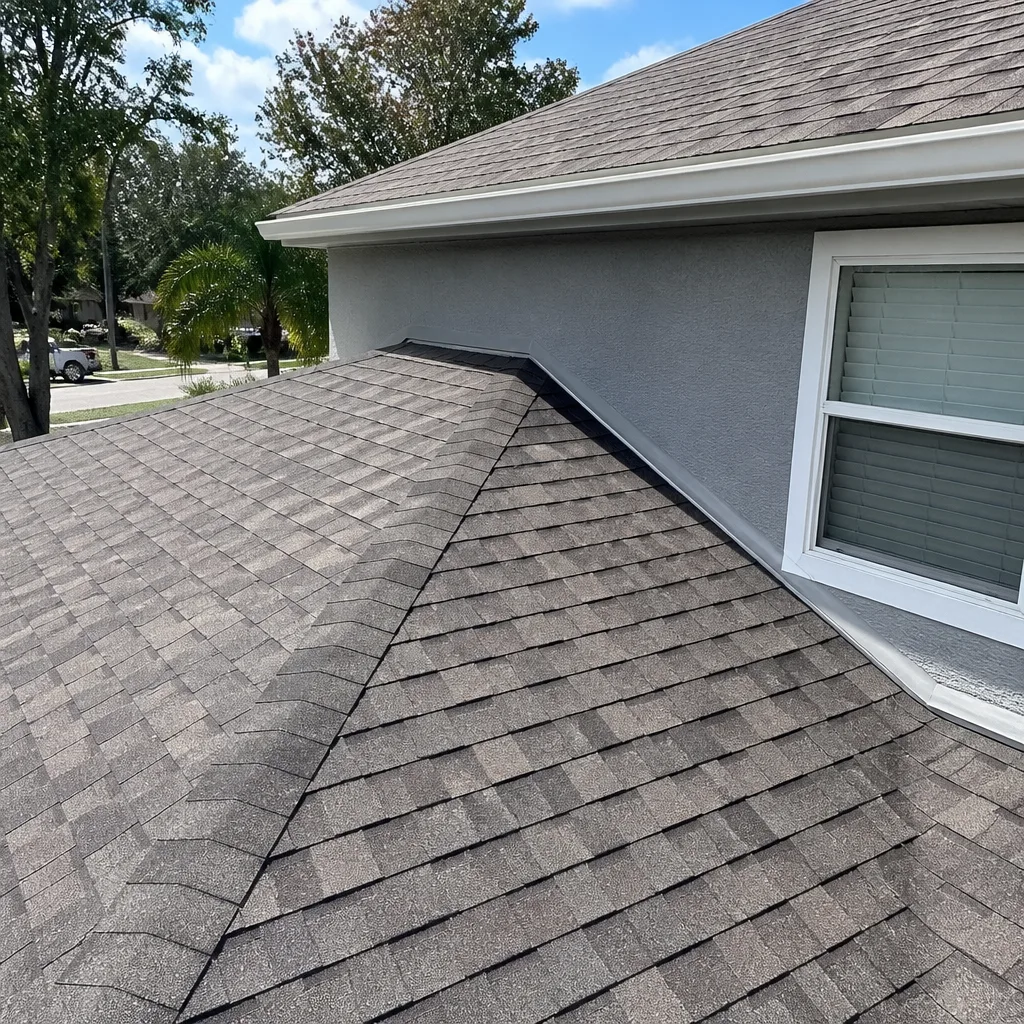 After
After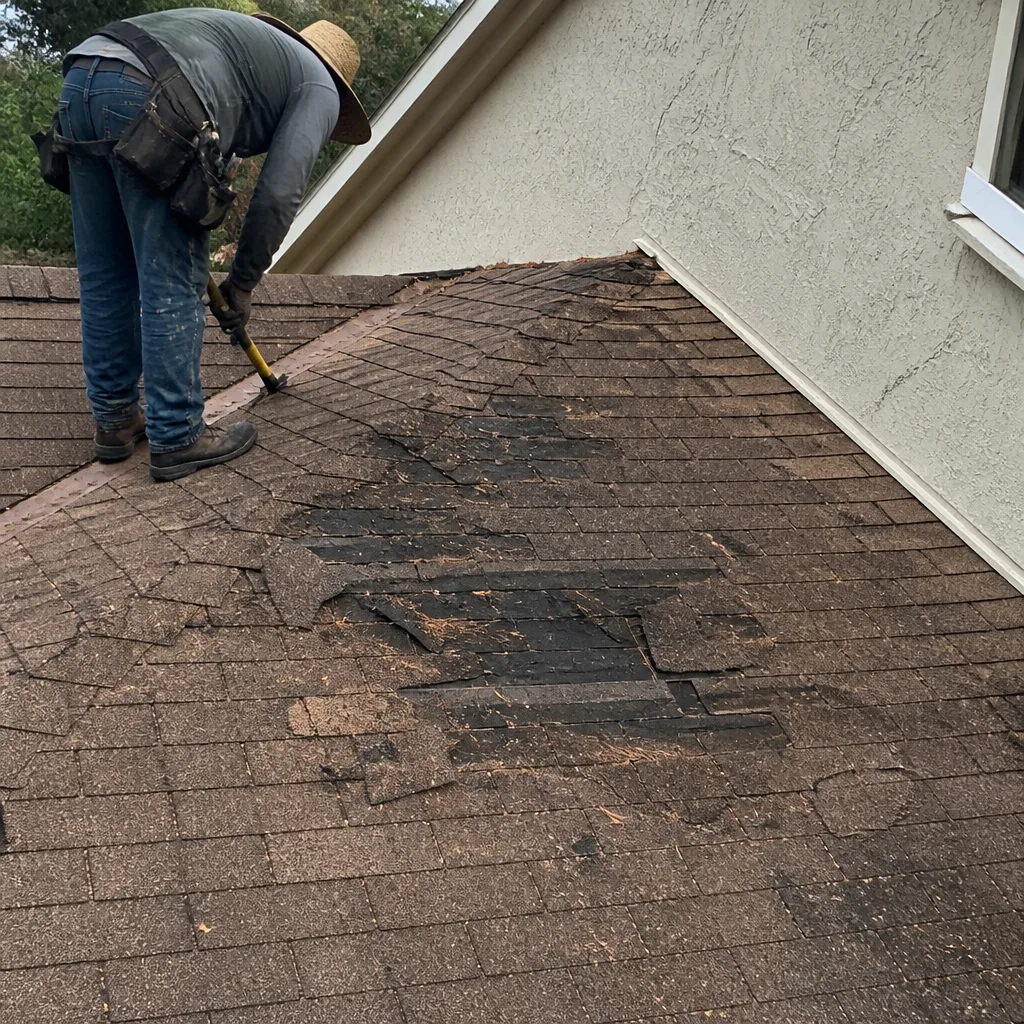 Before
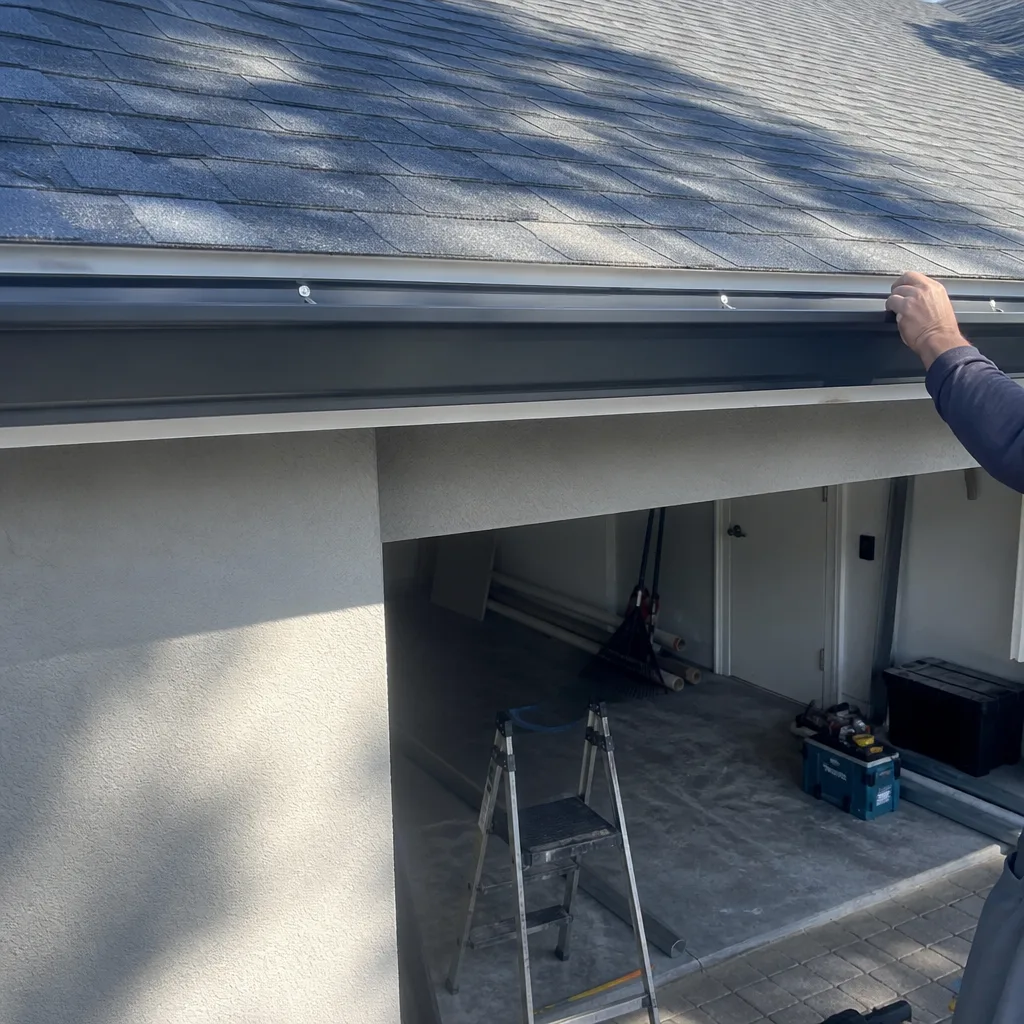 After
After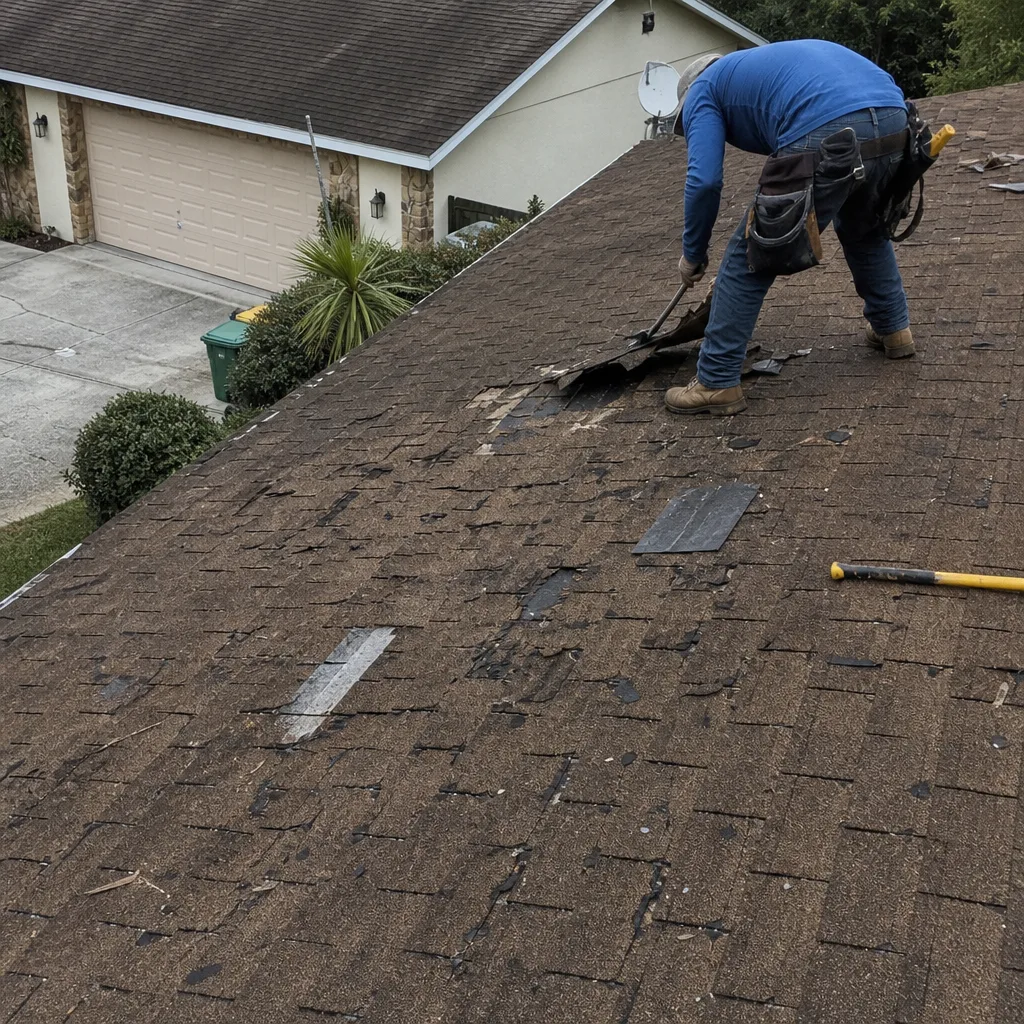 Before
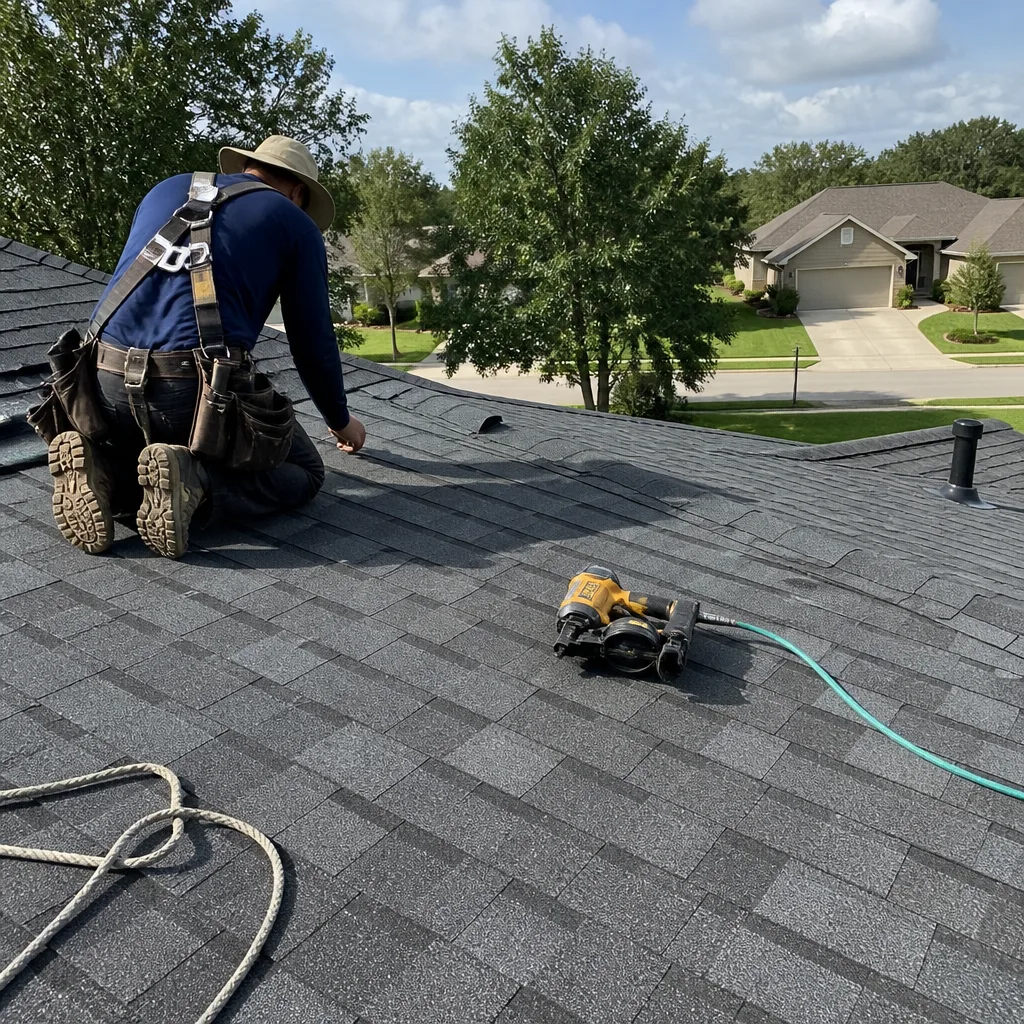 After
AfterReplacement Cost & What’s Included
In Orlando, a full IKO-compatible ridge vent replacement on a standard single-story home with 30 to 50 linear feet of ridge currently runs between $850 and $1,600 installed. Smaller homes or shorter ridge lines can fall under that range; two-story homes with steep pitches, multiple ridge lines, or difficult access run higher. The material itself is only $3 to $6 per linear foot for a quality IKO-compatible vent, but the labor is the real cost: pulling the old cap shingles without damaging the field shingles, removing the old vent cleanly, cutting the slot wider if needed (many Orlando homes have a 2-inch slot when the code calls for 2.5 to 3 inches for proper airflow), laying the new vent, and re-capping the ridge correctly.
Every quote we give is a written, line-item price before we start. That means you see the vent cost, the labor cost, and the disposal fee separately. No one starts work until you’ve approved that number in writing, and the invoice never has surprises bolted on at the end. The work is covered by our 365-Day Done Right Promise: if the vent installation isn’t done right within a year, we come back and make it right at no cost. That’s a written guarantee, included on every repair and every install, not a verbal pat on the back. Call (850) 757-3564 for an exact quote on your roof.
DIY or Call Us?
Walking a roof ridge in Orlando is one of the more dangerous places a homeowner can put themselves. The pitch, the height, the heat, and the fact that ridge work means standing at the very top edge of the roof while working on the highest point of the structure make it a job where the cost of a fall isn’t worth the money saved. What a homeowner can safely do is this: inspect the attic side. Take a flashlight up, look along the ridge slot, and see if the vent material is crushed, covered by felt, or missing a section. You can also look at the end caps from the ground with binoculars to spot cracks. That’s the diagnostic part, and it’s genuinely useful to do before you call.
What you shouldn’t do is pull cap shingles, cut the slot wider, or re-nail a loose vent yourself. The slot cut and the NFA sizing determine whether the vent actually works, and a nail overdriven through the vent crushes the baffle and kills the airflow. We’ve fixed more than a few DIY ridge vent attempts where the vent was installed beautifully and venting absolutely nothing. A roof shouldn’t be a mystery, let’s talk about what’s actually up there. Call (850) 757-3564 and we’ll look at it with you, before any work starts, and we’ll put the price in writing.
FAQs
A properly installed IKO-compatible ridge vent in Orlando typically lasts 12 to 20 years, but the end caps and fasteners often fail before the vent body itself. Florida UV breaks down the plastic end caps in 5 to 8 years, which is why we check them on every ridge vent job we touch. Call (850) 757-3564 if you want us to check yours, the estimate is free.
Sometimes, if the failure is isolated to a cracked end cap or a short section that lifted, we can repair just that section for $180 to $350. If the baffle is crushed, the fasteners are pulling out, or the vent has multiple failing sections, replacement is the honest answer because a patched vent still won’t move air correctly.
Most single-family ridge vent replacements in Orlando are done in 4 to 8 hours, meaning we’re off the roof the same day. Larger homes with multiple ridge lines or high-pitch roofs may take a full day and a half. We’ll tell you the timeline before we start, in writing, same as the price.
Yes, our crews keep IKO-compatible roll vents, end caps, and fasteners on the truck for most common ridge sizes, along with matching cap shingles from IKO, GAF, Owens Corning, and CertainTeed. If your roof needs a specialty rigid vent or a high-wind product we don’t have on hand, we’ll have it within a day in most cases.
Written by Grant Whitlock, Owner, Mercer Roofing Co Orlando at Mercer Roofing Co Orlando, serving Orlando and nearby areas.