
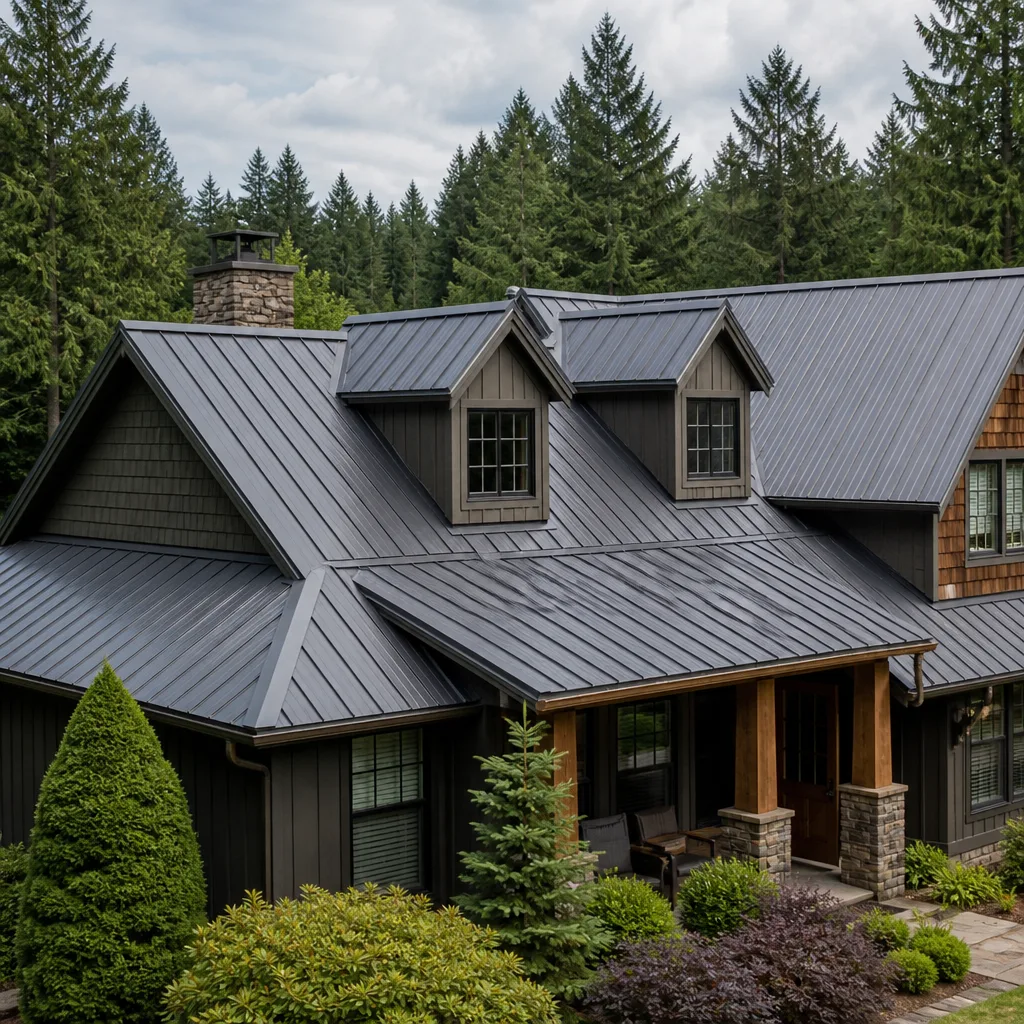
 Metal roofing
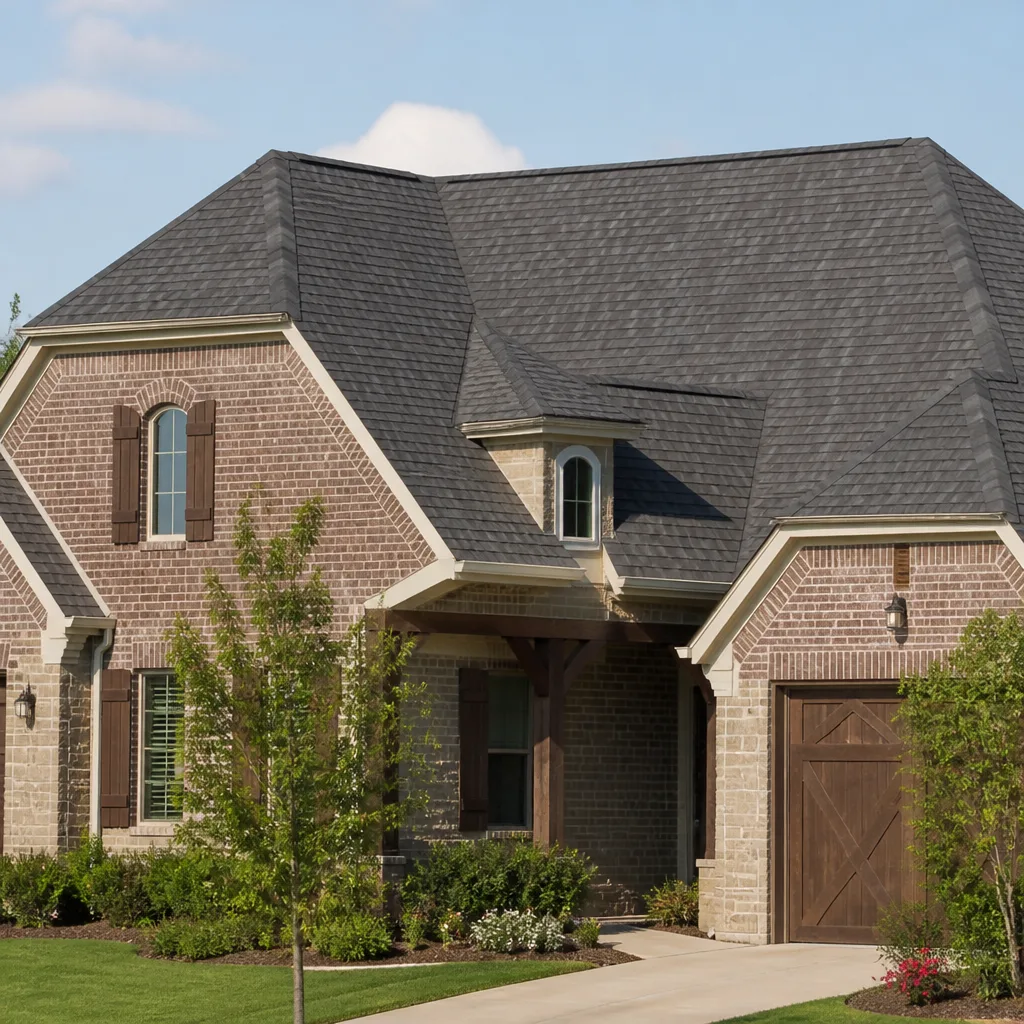 Architectural shingles
 Tile roofing
 GAF
GAF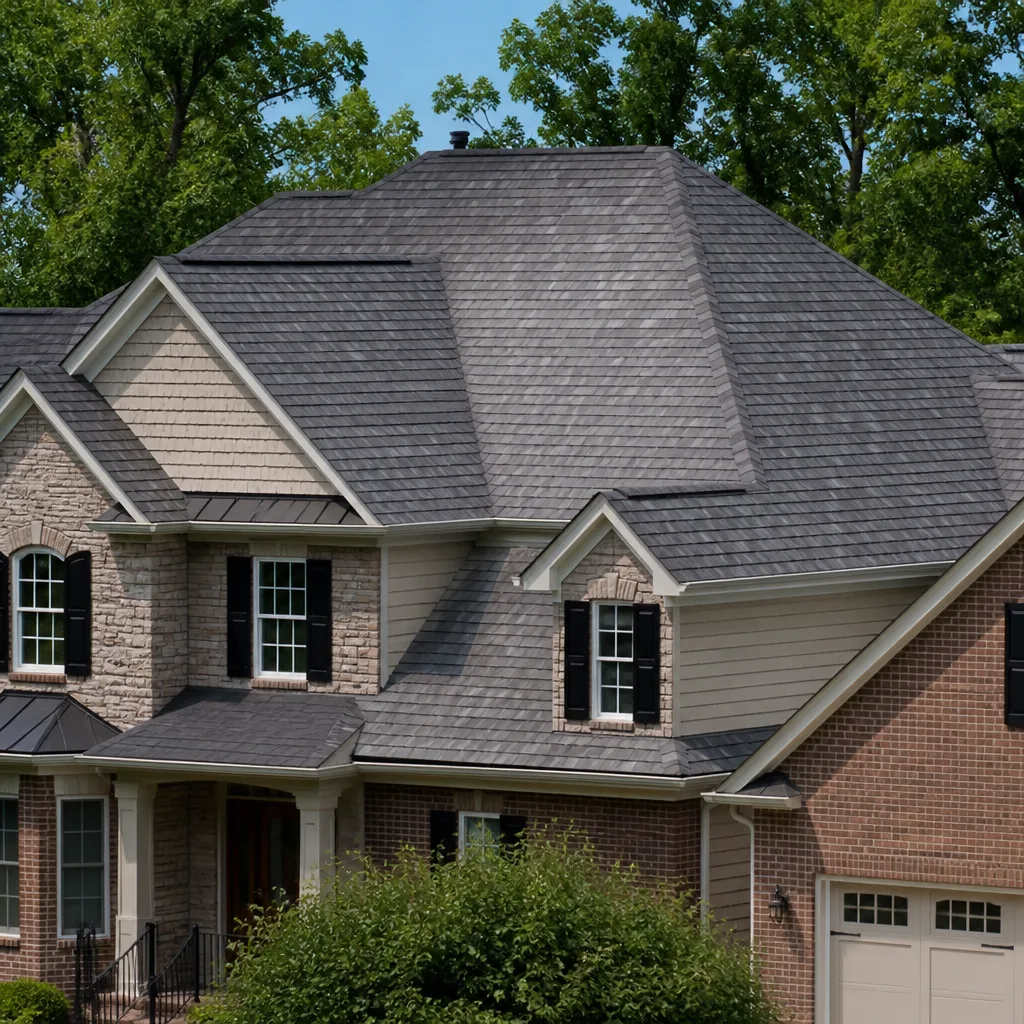 Owens Corning
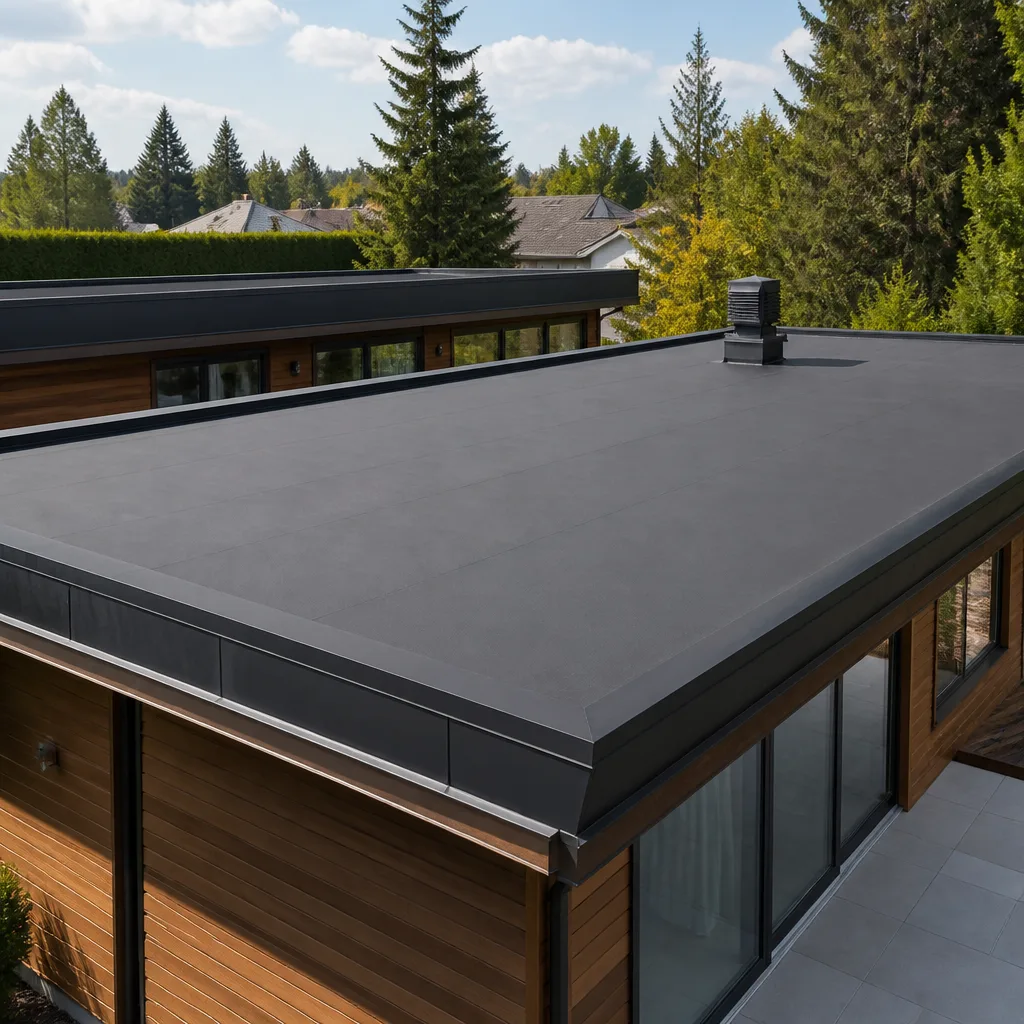 Flat & low-slope
Free roof inspection with deck photos before we talk money - GAF and Owens Corning certified installation
CertainTeed Flashing Replacement: The Orlando Owner’s Guide
Replacing failed flashing on a CertainTeed roof in Orlando typically costs between $350 and $900 installed, depending on the location, linear footage, and whether we’re pulling shingles or working around chimneys, skylights, or wall intersections. We stock CertainTeed-compatible flashing on our trucks for most common profiles, so the job is usually done in a single visit. Most homeowners discover the problem after a storm: a brown ceiling stain shows up in the corner of a bedroom, or you see daylight through the soffit where wall meets roof line.
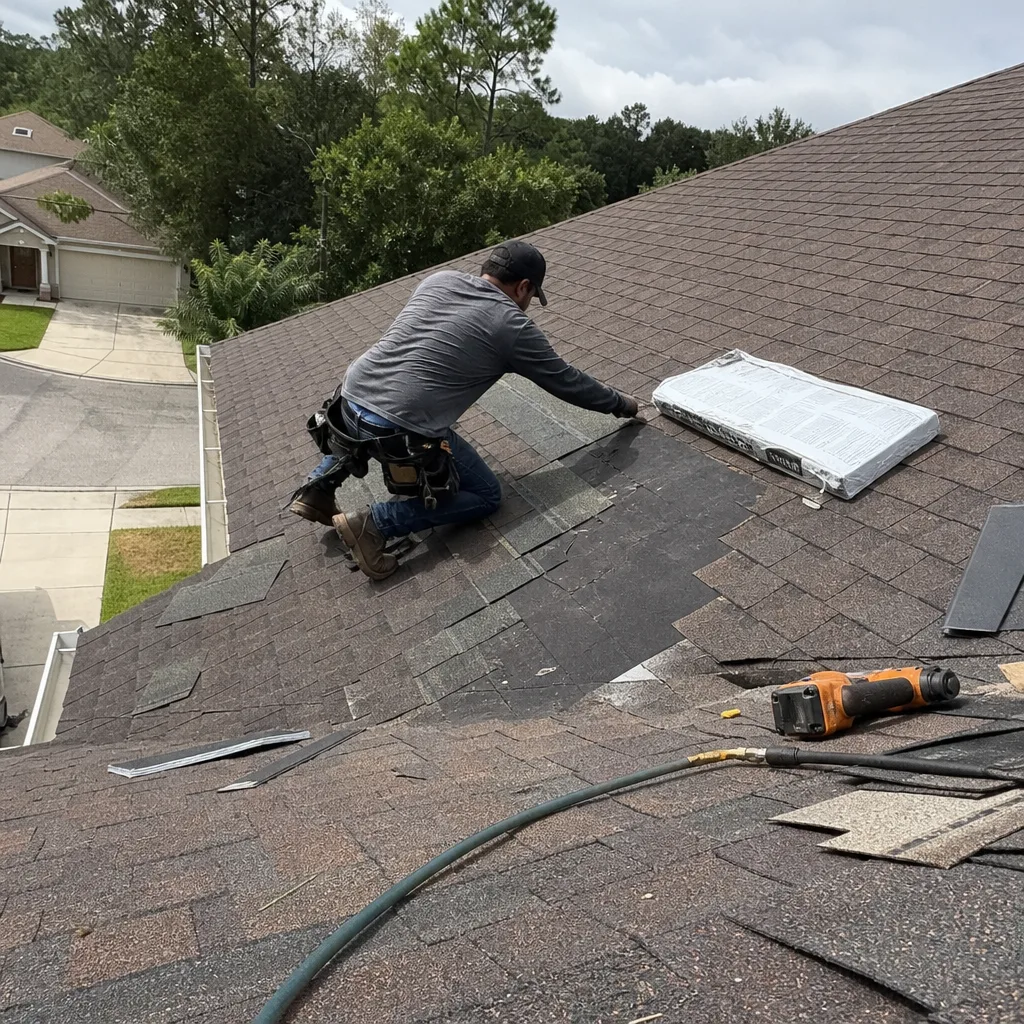
Flashing is the metal (or sometimes synthetic) material that seals the seams of your roof: where it meets a wall, a chimney, a vent pipe, or a valley. CertainTeed makes good flashing products, but even the best flashing in Florida takes a beating. Intense UV, daily thermal expansion, and the kind of wind-driven rain Orlando gets from June through September means flashing can fail years before the shingles around it. When it goes, water finds its way in quietly, often for months before you see a stain. That’s the part of roofing nobody talks about at the supply house. Grant Whitlock has pulled apart enough of these to know: the flashing fails first, and the shingles get blamed for it.
Key Takeaways
- CertainTeed flashing replacement in Orlando averages $350 – $900 installed, with written pricing before work starts.
- Flashing fails faster than shingles in Florida’s UV and storm cycles, especially at chimneys, walls, and pipe boots.
- We stock OEM CertainTeed profiles and quality aftermarket equivalents, so most replacements happen in one visit.
- Every replacement carries a written warranty and the 365-Day Done Right Promise.
Which CertainTeed Models This Applies To
CertainTeed flashing is specified across their shingle lines, including Landmark, Landmark Pro, XT 25, Presidential Shake, and the Grand Manor series. But here’s the part most guides skip: the flashing dimensions you need depend less on which shingle you have and more on which penetration you’re sealing and whether your roof was built to code after the 2007 Florida Building Code updates. Step flashing, for instance, should extend at least 4 inches up the wall and 4 inches out onto the roof deck. In practice, we see a lot of shorter flashing installed in the 1990s additions around Conway and Pine Hills that doesn’t meet current code.
If you’re matching a specific CertainTeed product, the easiest identifiers are the shingle wrapper in your garage or attic, or a faded label on the ridge cap packaging. For flashing itself, look at the metal edges: CertainTeed aluminum flashing is typically stamped with a mill mark on the back side, and their copper and galvanized profiles have distinct thicknesses. What most owners actually need to know is this: for compatibility, the flashing doesn’t need to come from CertainTeed’s factory line. It needs to match the profile, gauge, and material of the original. We carry OEM CertainTeed flashing for common replacements and also use approved-equivalent flashing from GAF and Owens Corning when the spec matches. As an independent roofing contractor, we’re not affiliated with CertainTeed, but we install their systems every week and match their specs precisely.
One gotcha worth printing out: CertainTeed makes flashing in 10-foot rolls and pre-bent step pieces in a few standard sizes. If the original installer used a custom-bent profile on a hip wall or a dead valley, a generic piece from a big-box store won’t lay right, and that’s when you get recurring leaks. We bend custom flashing on site for exactly that reason.
Styles & brands we work with
Signs Your CertainTeed Flashing Replacement Is Failing
- Ceiling stains in a top-floor corner. This is step flashing failing along a wall intersection, and it’s the single most common flashing leak we repair in Orlando. Rain drives sideways, pushes up behind the step pieces, and follows the wall into the sheathing.
- Water running down the inside of a chimney breast. Chimney flashing is usually the first to go because it has the longest exposed seams. The counterflashing lifts, the sealant ages into chalk, and every storm after that moves water inside.
- Dark streaks around vent pipes or attic fans. The rubber boot on a pipe flashing collar degrades in Florida sun within five to eight years, cracking at the base where the pipe passes through. You’ll see moisture wicking into the decking around the penetration.
- Daylight at the soffit where roof meets wall. If you can see light from inside the attic at that junction in the morning, the step flashing has pulled away or was never stepped correctly to begin with.
- Grit and granules piling in the gutter below a wall line. This one’s less obvious but telling: water is running under the shingle at a flash point, washing mineral granules down from the edges and accelerating shingle loss.
See the difference
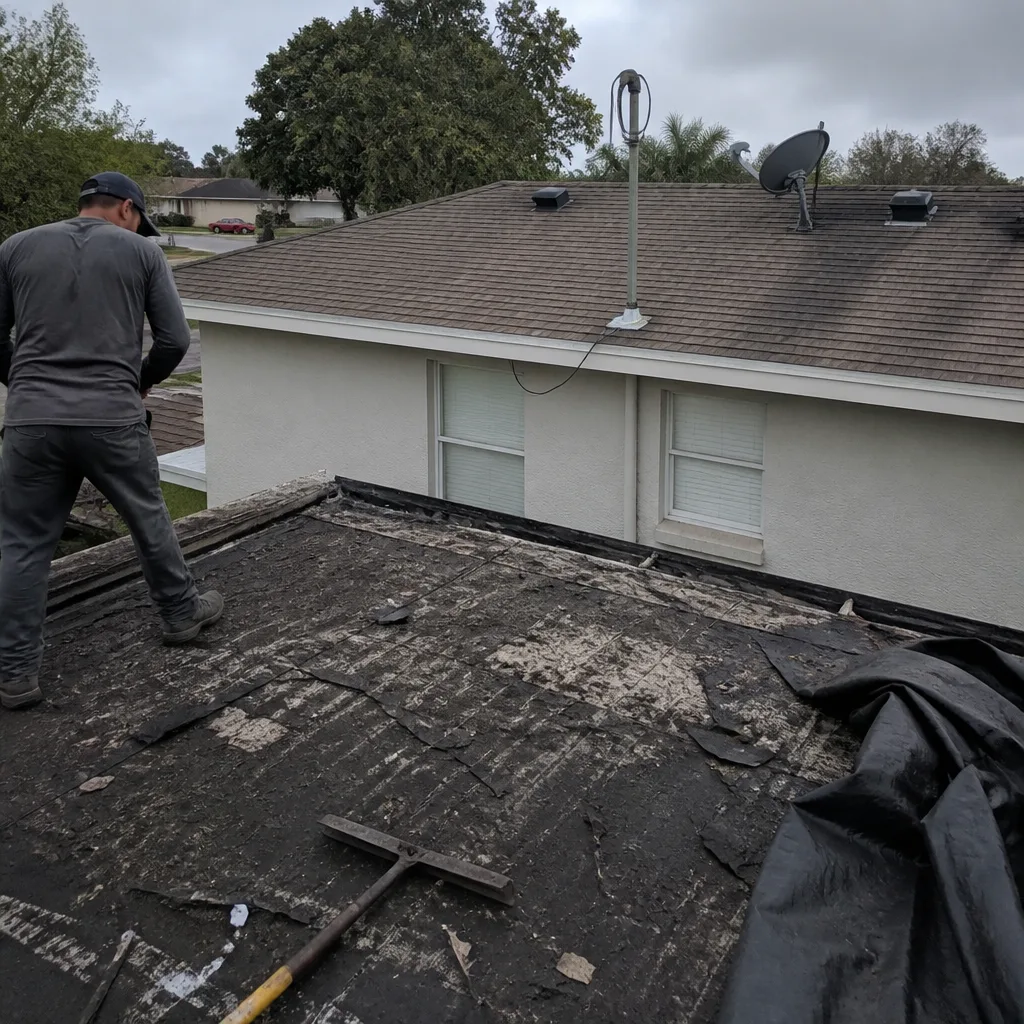 Before
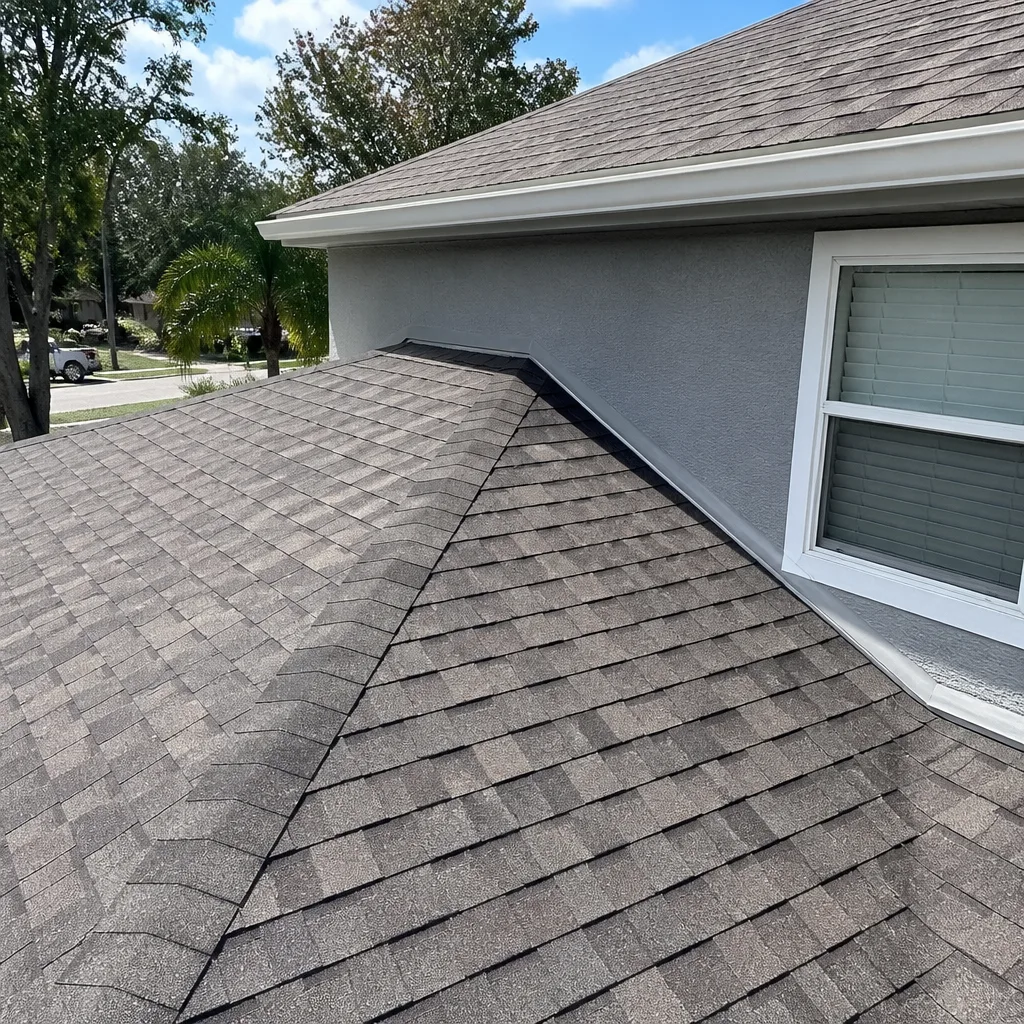 After
After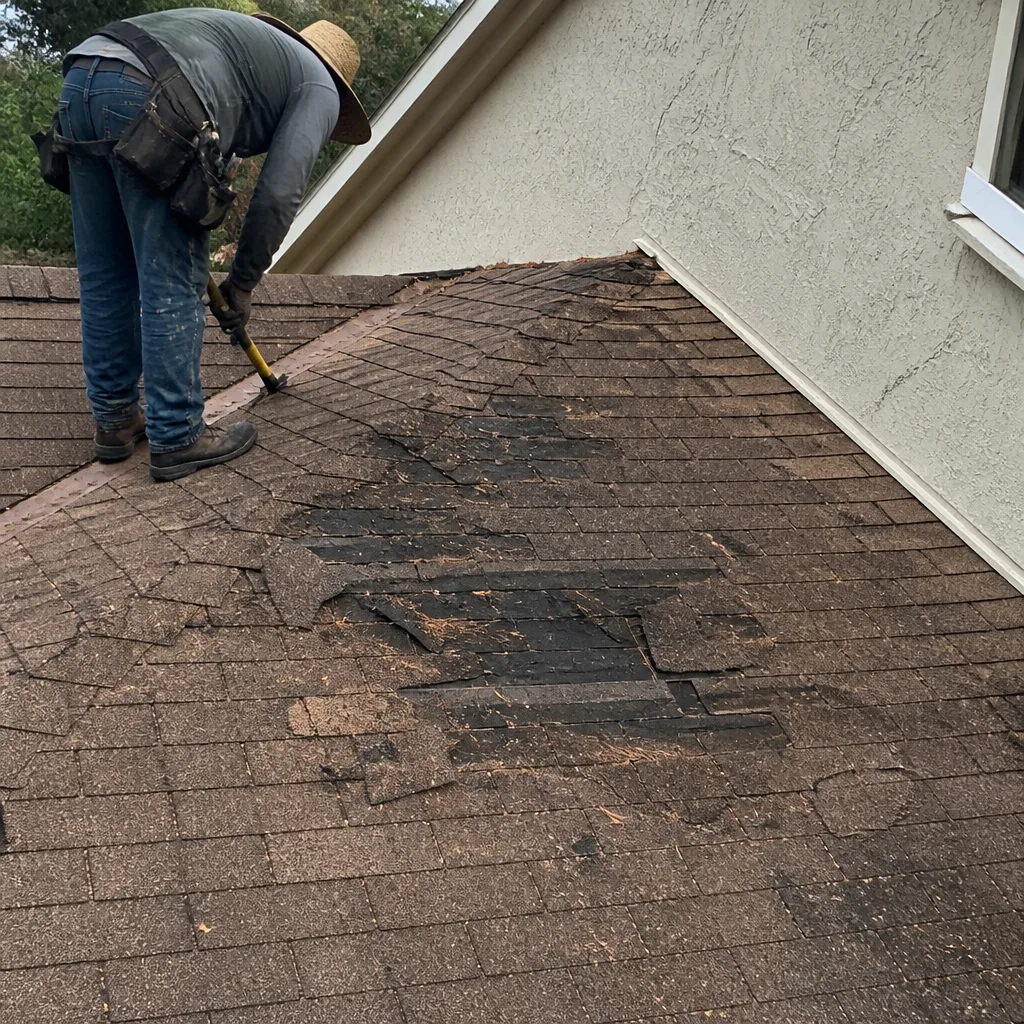 Before
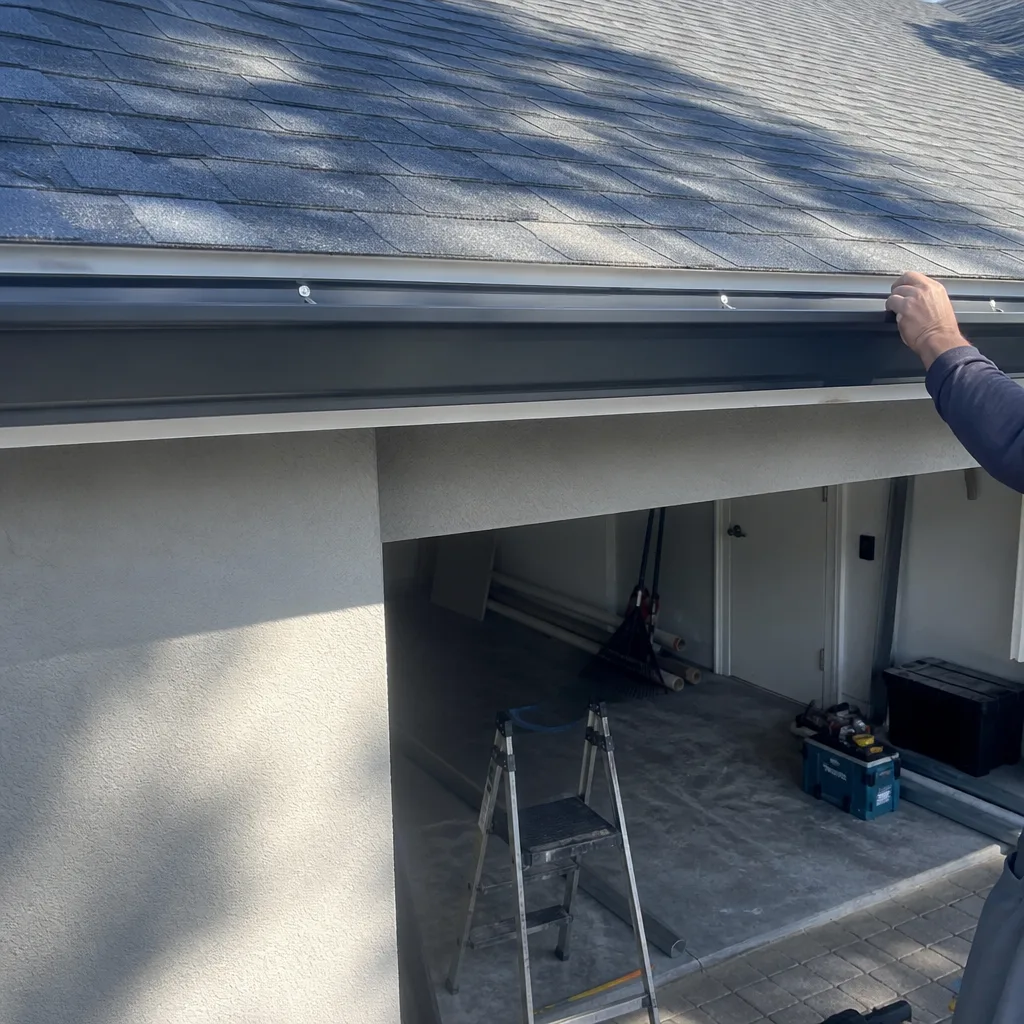 After
After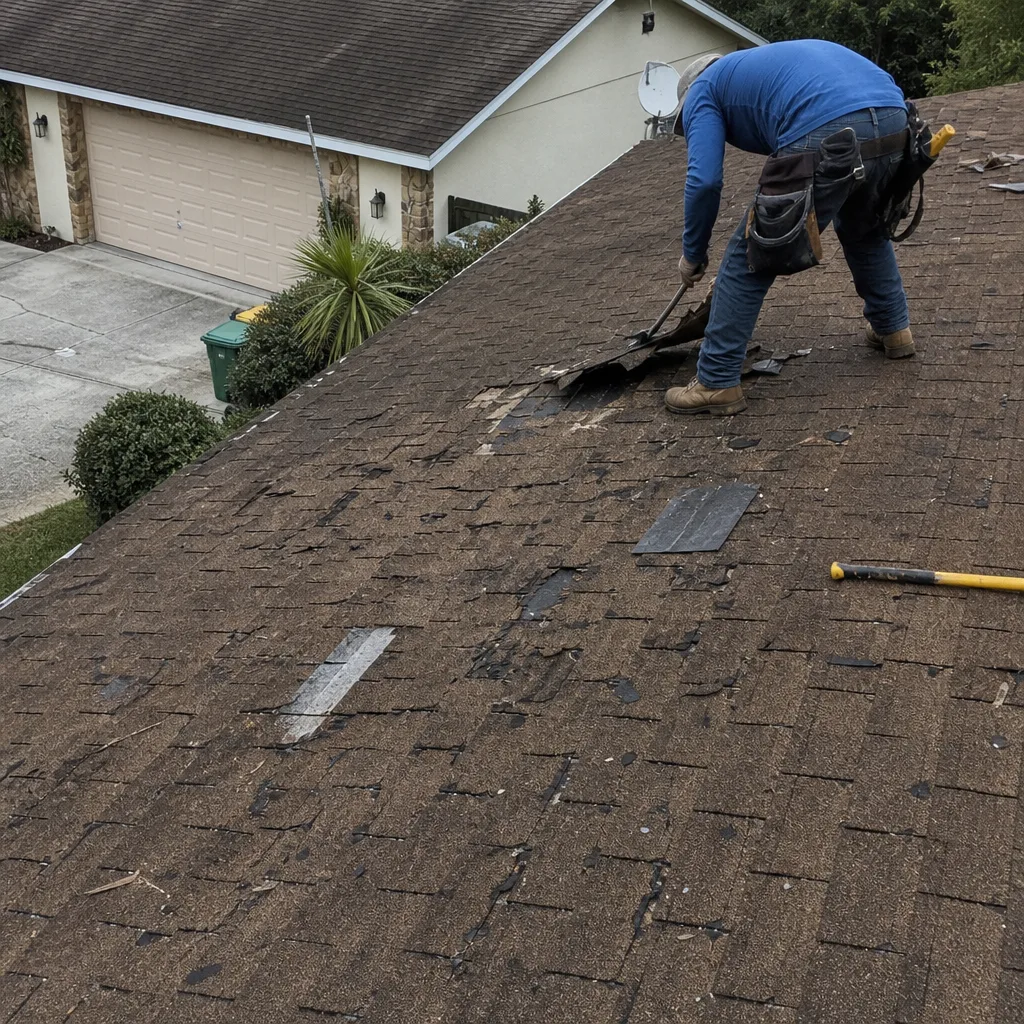 Before
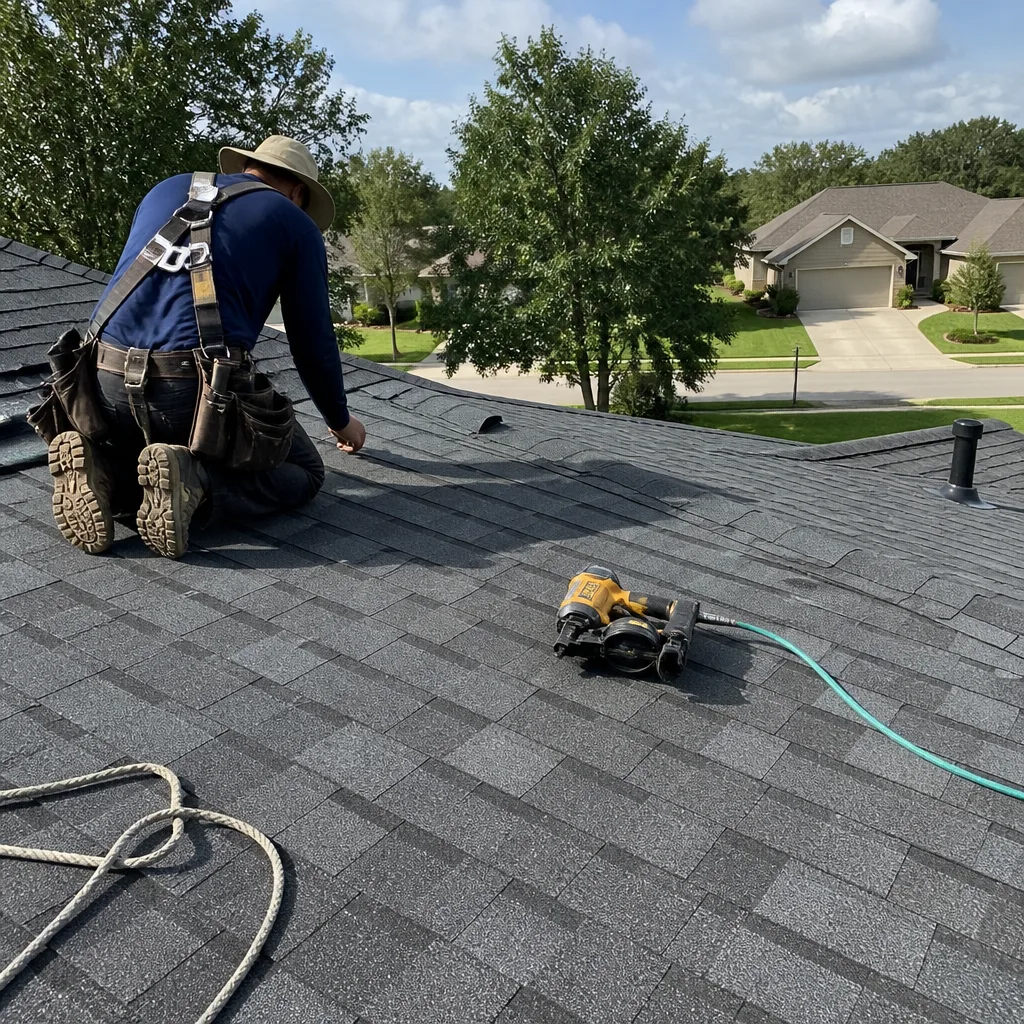 After
AfterReplacement Cost & What’s Included
In Orlando, plan on these installed ranges for CertainTeed-compatible flashing replacement:
- Pipe boot flashing: $150 – $350 per penetration, including removing the old boot and resealing around the pipe
- Step flashing (up to 10 linear feet): $300 – $600, including lifting the shingle course and re-nailing
- Chimney flashing (standard four-sided job): $600 – $900, including re-cutting the counterflashing into the mortar joint
- Valley flashing replacement: $500 – $900 per valley, depending on whether shingles need to be pulled back on both sides
The range is driven by access, height, and what’s underneath: if the decking is soft, the repair grows. What doesn’t grow is the number we quote once we’ve looked. We write the price before work starts, and it holds. The flashing itself is usually $40 to $120 in materials for a typical job; the rest is labor and, honestly, time spent doing it so water never comes back through that seam.
DIY or Call Us?
Flashing replacement is not a spring or an electrical panel, but it’s also not a caulk-and-walk fix. If you’re checking a pipe boot or examining step flashing from a ladder, that’s a safe inspection. But doing the actual replacement on a sloped roof means working off ladders at height, with shingle removal, underlayment work, and re-nailing in the exact right pattern. We’ve repaired a fair number of DIY flashing attmpts around Orlando where the homeowner sealed over a leak with roofing cement and actually trapped water behind it. The honest split is this: you can identify the problem yourself, but replacing flashing correctly on a second-story slope, with Florida’s afternoon storms coming in, is work for someone with tie-offs, roof jacks, and the right metal on the truck. Call (850) 757-3564 and we’ll come take a look and write the price down before anyone picks up a nail.
FAQs
CertainTeed flashing lasts 15 to 25 years in Orlando’s climate, but the sealants around it fail in 5 to 8 years, so the system often needs resealing long before the metal itself corrodes. UV breaks down the caulk at the seams, and thermal movement pulls the pieces apart. A quick inspection after a big storm year is worth it. We’ll check for free with any estimate.
Small gaps and cracked sealant can sometimes be addressed with a repair, but bent, corroded, or lifted flashing should be replaced, because that’s the point water is already getting through. Patching over bad flashing with tar or caulk is usually a temporary fix in Orlando’s heat. Call (850) 757-3564 and we’ll tell you honestly which one you’re looking at.
Most flashing replacements in Orlando take one to four hours, depending on how many penetrations or wall junctions we’re doing and how much decking needs to be cut out and replaced. A single pipe boot can be done inside an hour. A dormer with two walls takes longer.
We stock common CertainTeed profiles and standard aftermarket equivalents on our trucks, so most replacements are done same-day without waiting on a supply house order. If the job needs a custom bend or a thicker-gauge piece, we have the tools to fabricate it on site. That means you’re not waiting two weeks while a roof leaks through another storm.
Written by Grant Whitlock, Owner, Mercer Roofing Co Orlando at Mercer Roofing Co Orlando, serving Orlando and nearby areas.