
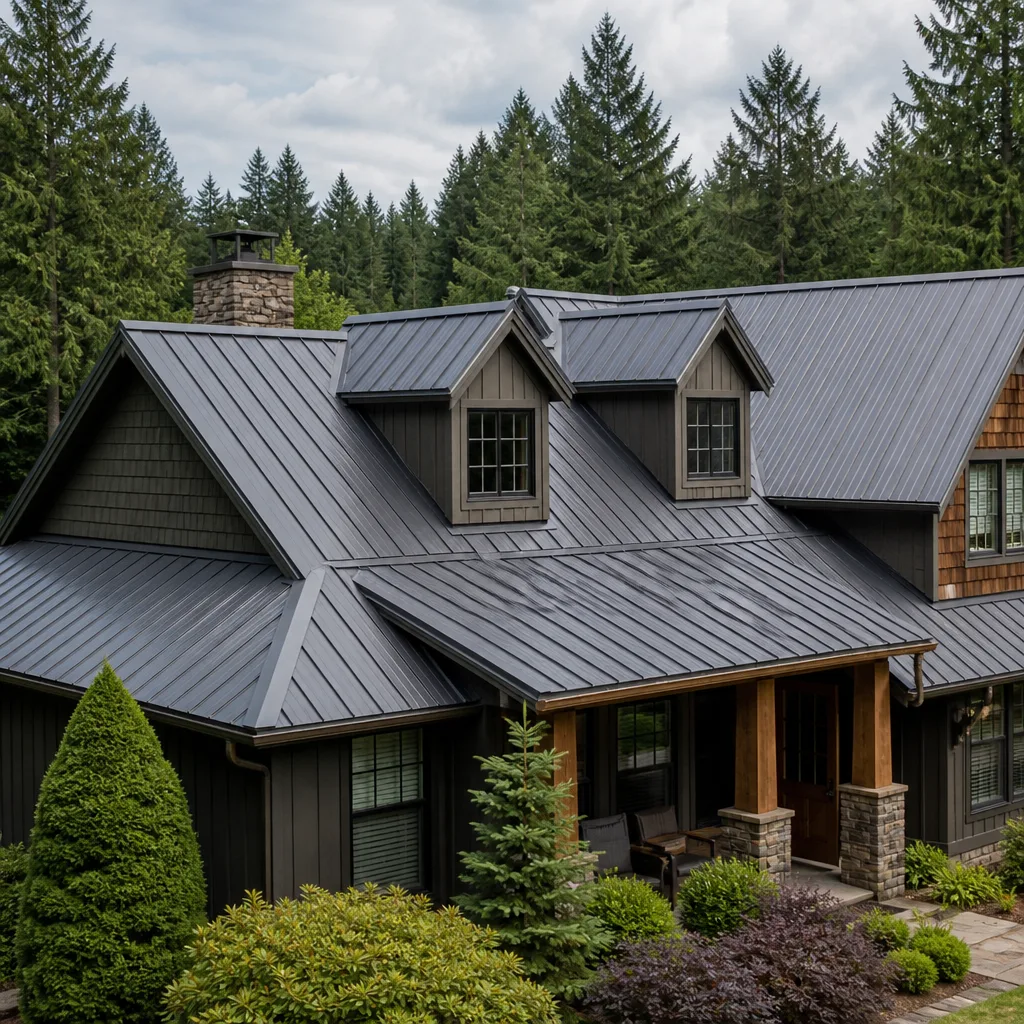
 Metal roofing
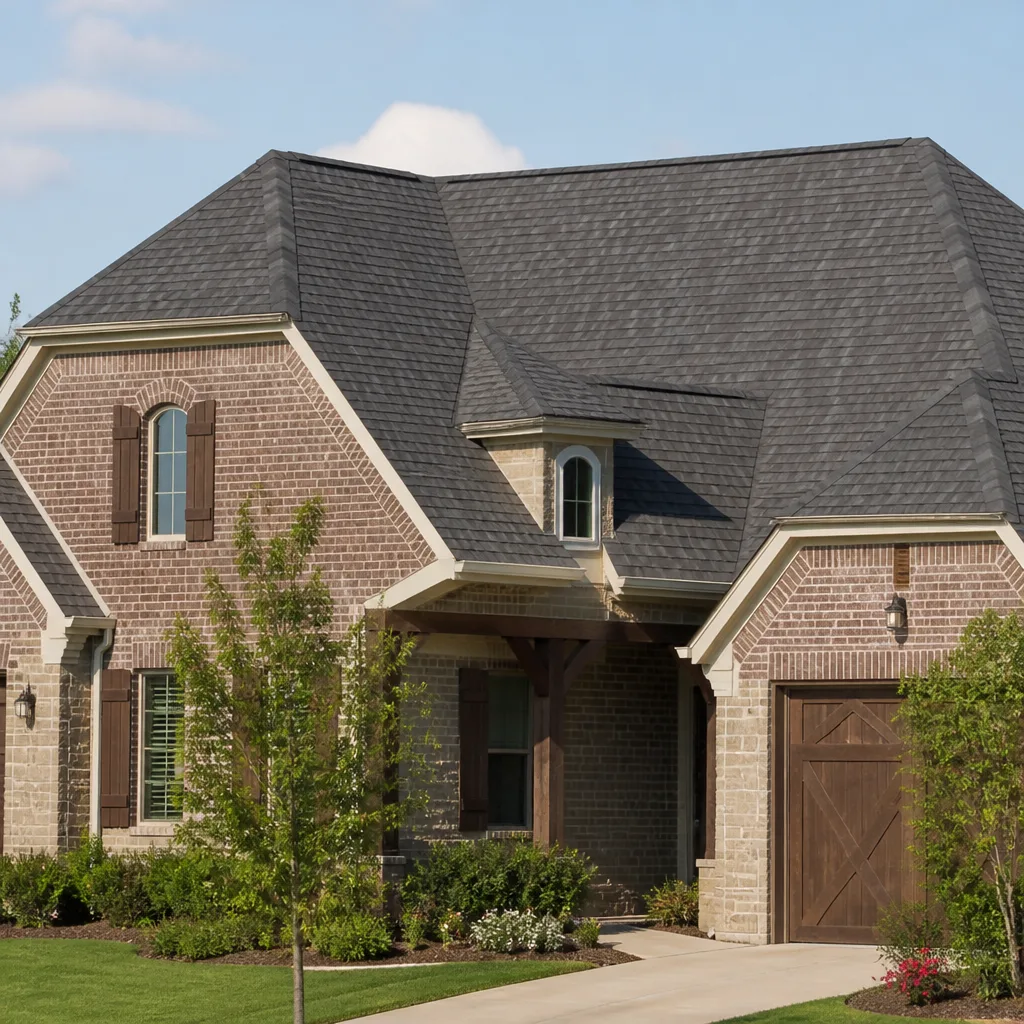 Architectural shingles
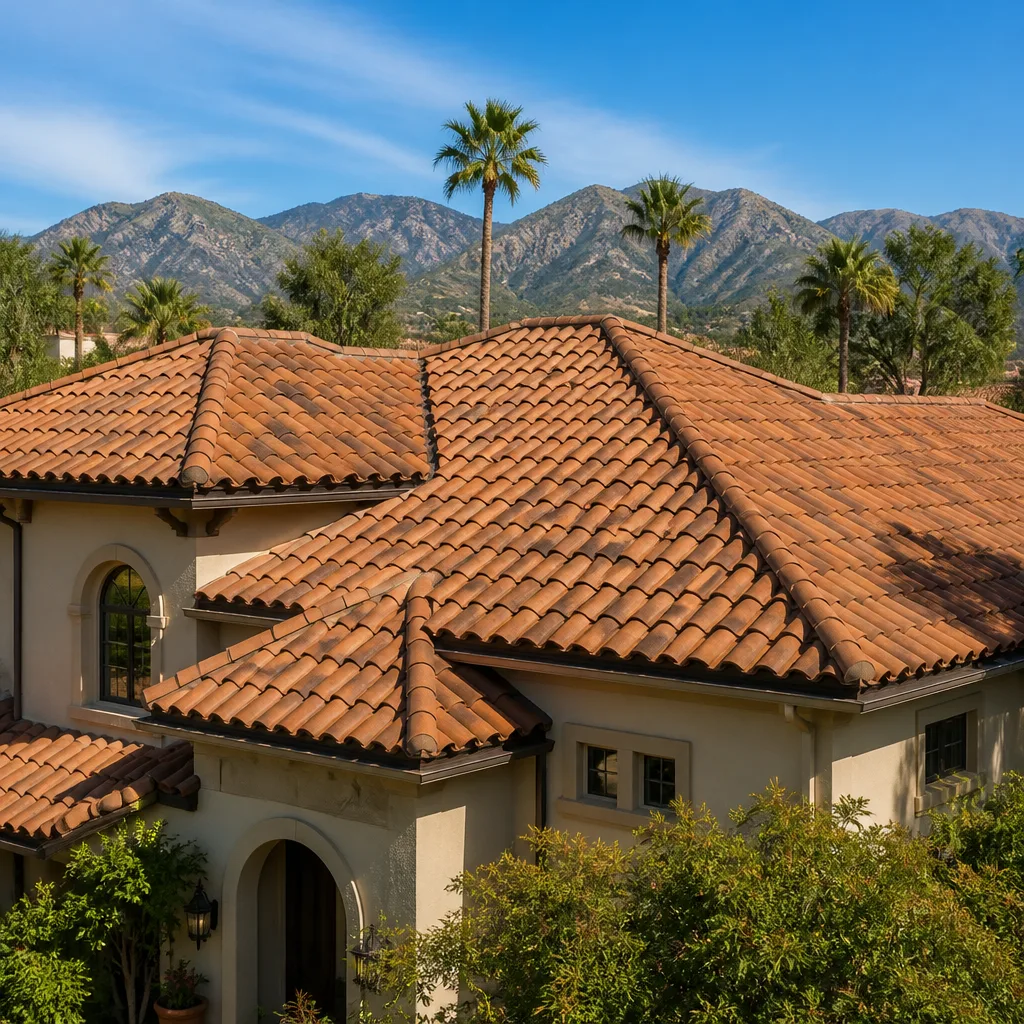 Tile roofing
 GAF
GAF Owens Corning
 Flat & low-slope
Free roof inspection with deck photos before we talk money - GAF and Owens Corning certified installation
Boral Flashing Replacement: The Orlando Owner’s Guide
We stock and install Boral-compatible flashing replacement throughout Orlando, with most jobs running $380 – $720 installed depending on the roof slope, the flashing type, and how much surrounding shingle work is involved. Most flashing replacements take a single visit, and we carry the common profiles on the truck so you’re not waiting on a special order. The way owners usually find us: a water stain on the ceiling after a hard Orlando downpour, or a home inspector flags cracked flashing during a pre-purchase inspection. Flashing fails quietly. By the time you see the stain inside, the metal has usually been compromised for months.
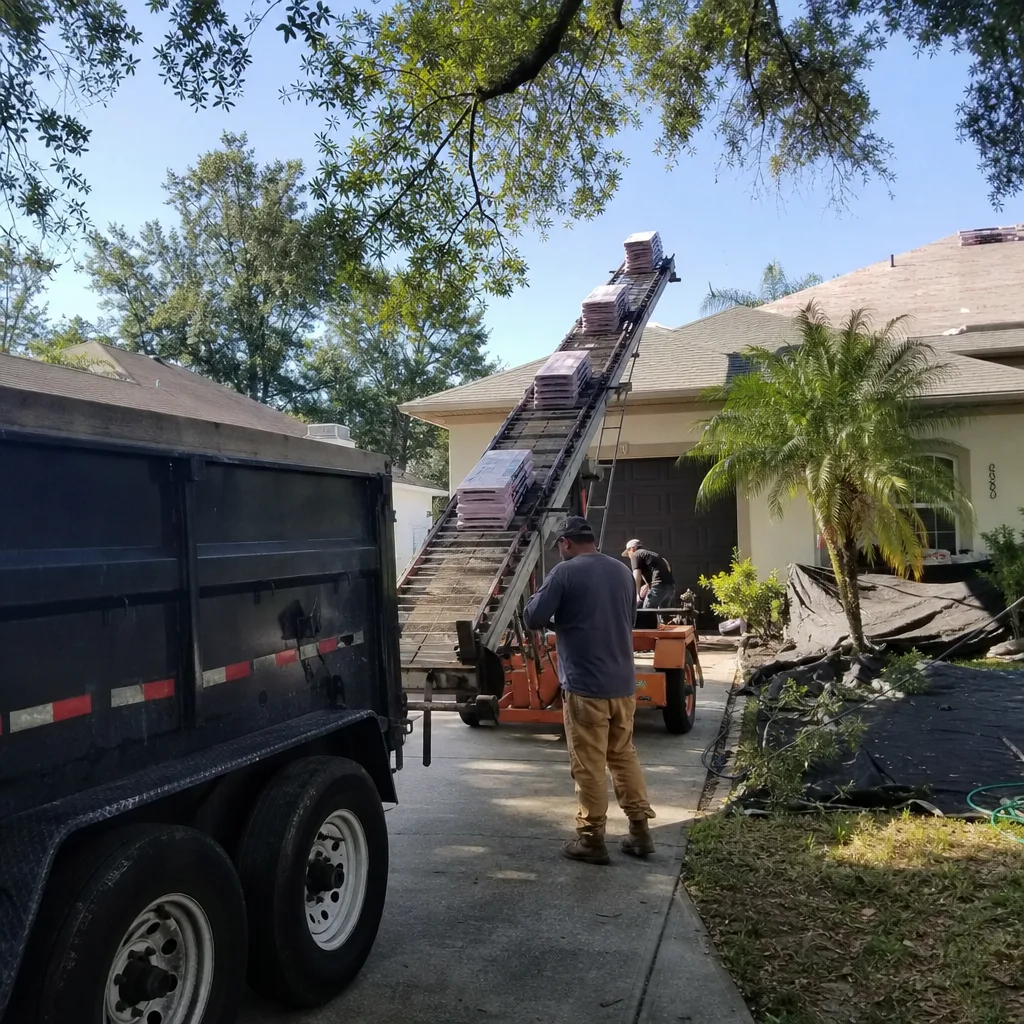
In Orlando, flashing takes a beating that most parts of the country never experience. Our daily summer thunderstorms dump an inch of rain in twenty minutes, and the UV index sits at extreme levels for months at a time. Boral roof systems – especially their tile profiles common in Windermere and Dr. Phillips – rely heavily on metal flashing at valleys, sidewalls, and penetrations. When that metal corrodes or pulls away, the tile itself can still look fine. The leak is happening underneath, where you can’t see it.
Which Boral Models This Applies To
Boral’s concrete and clay tile roof systems in Central Florida all use metal flashing at the same critical points: valleys, chimneys, skylights, plumbing vents, and where the tile meets a vertical wall. The specific flashing profile depends on the tile shape. Boral’s flat-profile tiles (like their SlimLine series) use a different sidewall flashing than their barrel-profile tiles (like the Mission or Capistrano lines). A flashing cut for a flat tile will leave gaps under a barrel tile, and water will find those gaps. This is the most common compatibility mistake we see from generic handyman repairs.
If you want to identify what you have, look at the underside of a tile near the affected area. Boral stamps their tiles, and the stamp usually includes the profile name. The flashing itself won’t be stamped in most cases, but its profile will follow the tile shape. For OEM matching, Boral specifies 26-gauge minimum for most flashing in Florida’s wind zone, but we frequently see original installs done with 28-gauge that fatigues faster. We’ll match the profile and typically step up a gauge when the original has failed from metal fatigue rather than simple age. Aftermarket flashing from manufacturers like Berger and O’Hagin’s is common in Boral systems and performs equally well when the profile and gauge are correct. The key is that the flashing is sized to the tile, not just whatever is on the truck that day.
One compatibility gotcha specific to Orlando Boral installs: homes built in the 1990s and early 2000s around Lake Nona and Oviedo often came with Boral tile installed over deleted underlayment details, meaning the flashing was the only real water barrier at those transitions. When that flashing fails, it’s not a drip – it’s an open seam. We’ll check what’s under the flashing while we’re up there, because sometimes replacing just the metal without addressing the underlayment underneath means the same leak comes back in two years.
Styles & brands we work with
Signs Your Boral Flashing Replacement Is Failing
- Water staining on ceilings or walls near roof-to-wall transitions. Sidewall flashing is the usual culprit. Water runs behind the stucco or siding where the tile meets a vertical wall, then travels down the framing until it finds a drywall seam to darken.
- Rust trails or discoloration visible at the tile edges. Orlando’s humidity and salt air (closer to the coast) accelerate galvanic corrosion where aluminum flashing touches other metals. Once you see rust staining the tile itself, the flashing is well past its service life.
- Granules or small concrete pieces collecting in gutters. When flashing lifts, tile edges can flex and chip. This hairline movement is invisible from the ground, but the debris in your gutter tells the story.
- Daylight visible from the attic at roof penetrations. Go into the attic on a bright day and look up. If you see light around a vent pipe or chimney, the flashing boot or collar has separated. Water follows the same path light does.
- Caulk that’s cracked, peeling, or missing along roof-to-wall joints. Caulk is a temporary seal; it shouldn’t be the primary water barrier on a Boral system. If you see old caulk doing structural work, the flashing underneath has already failed and someone patched it cheaply.
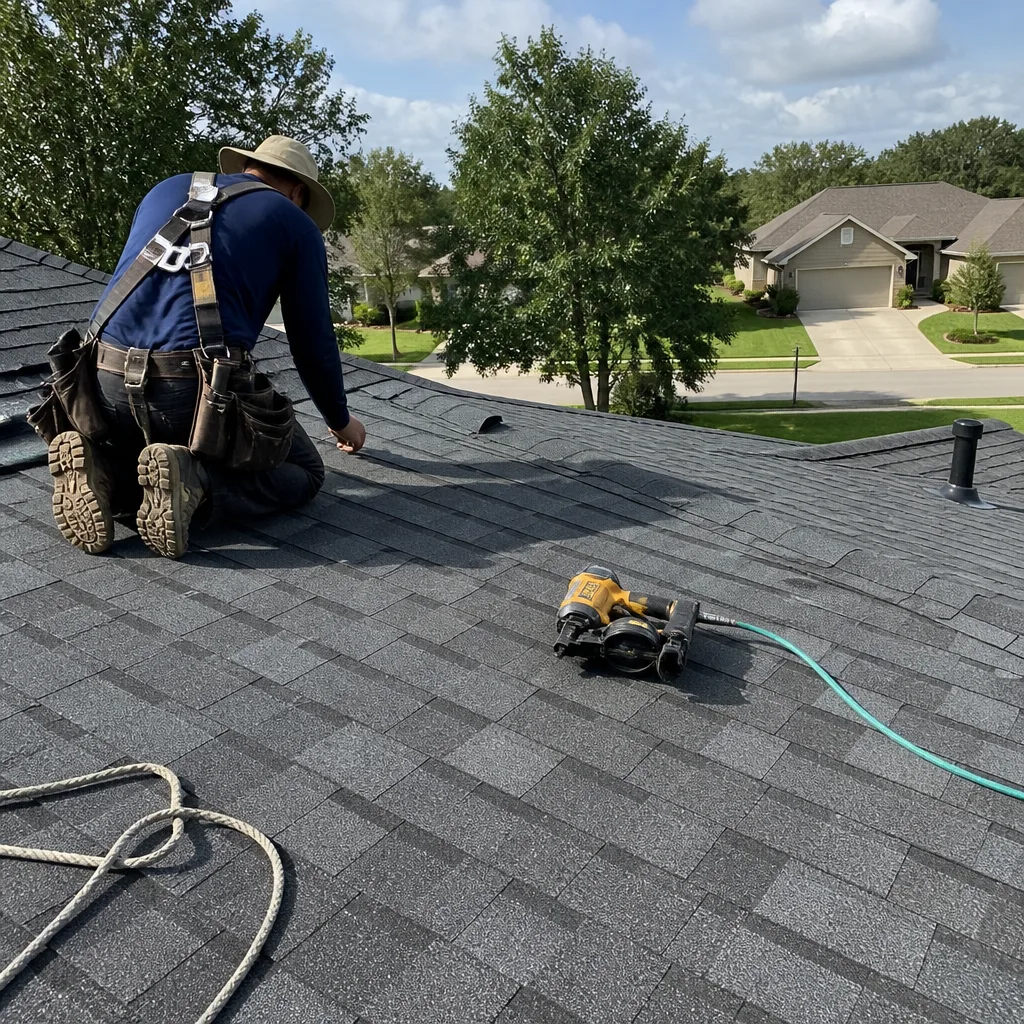
See the difference
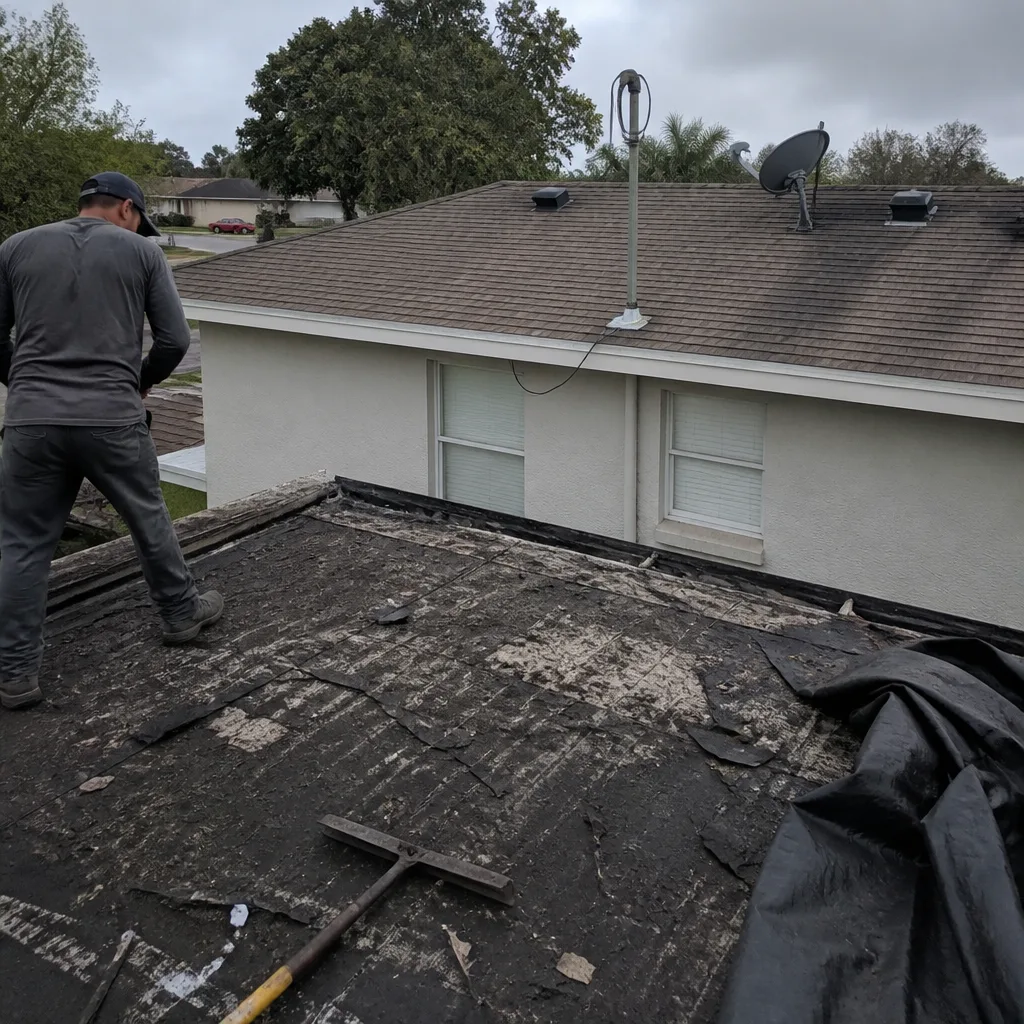 Before
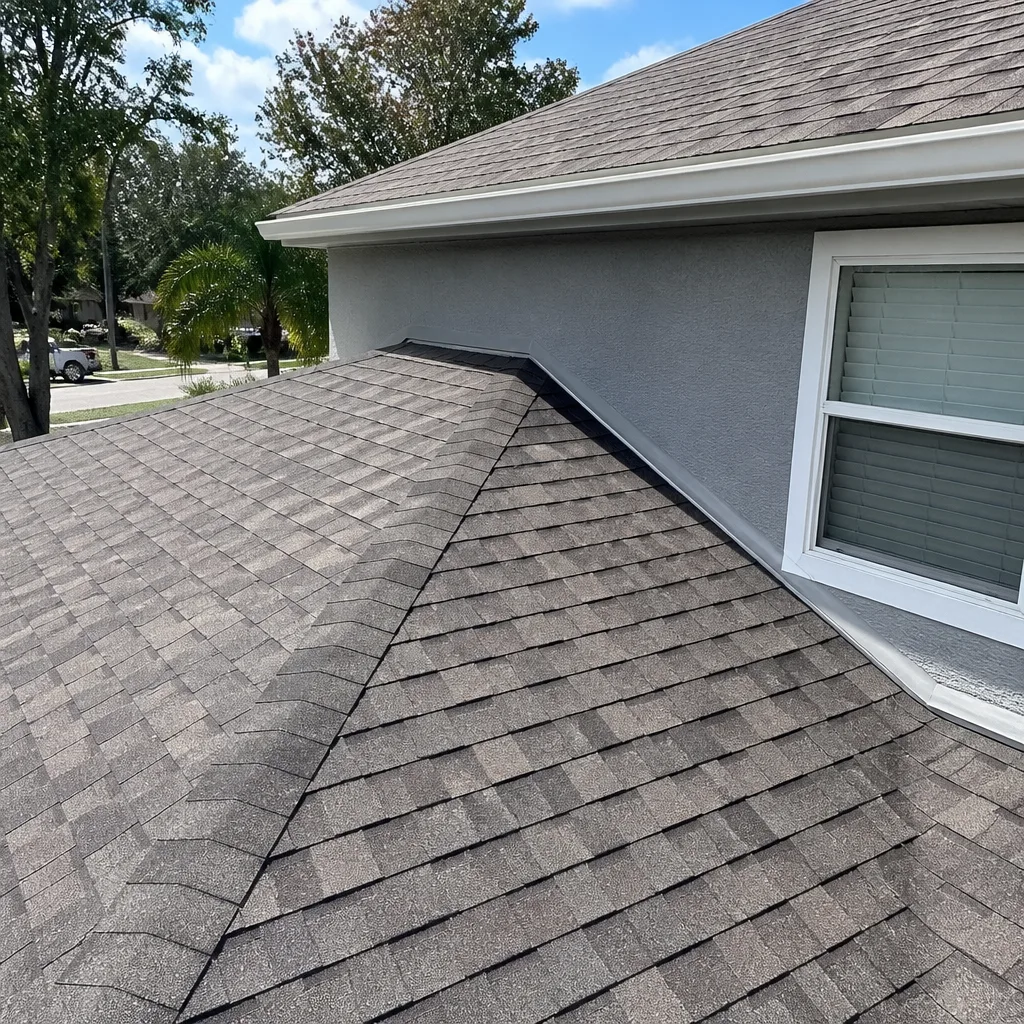 After
After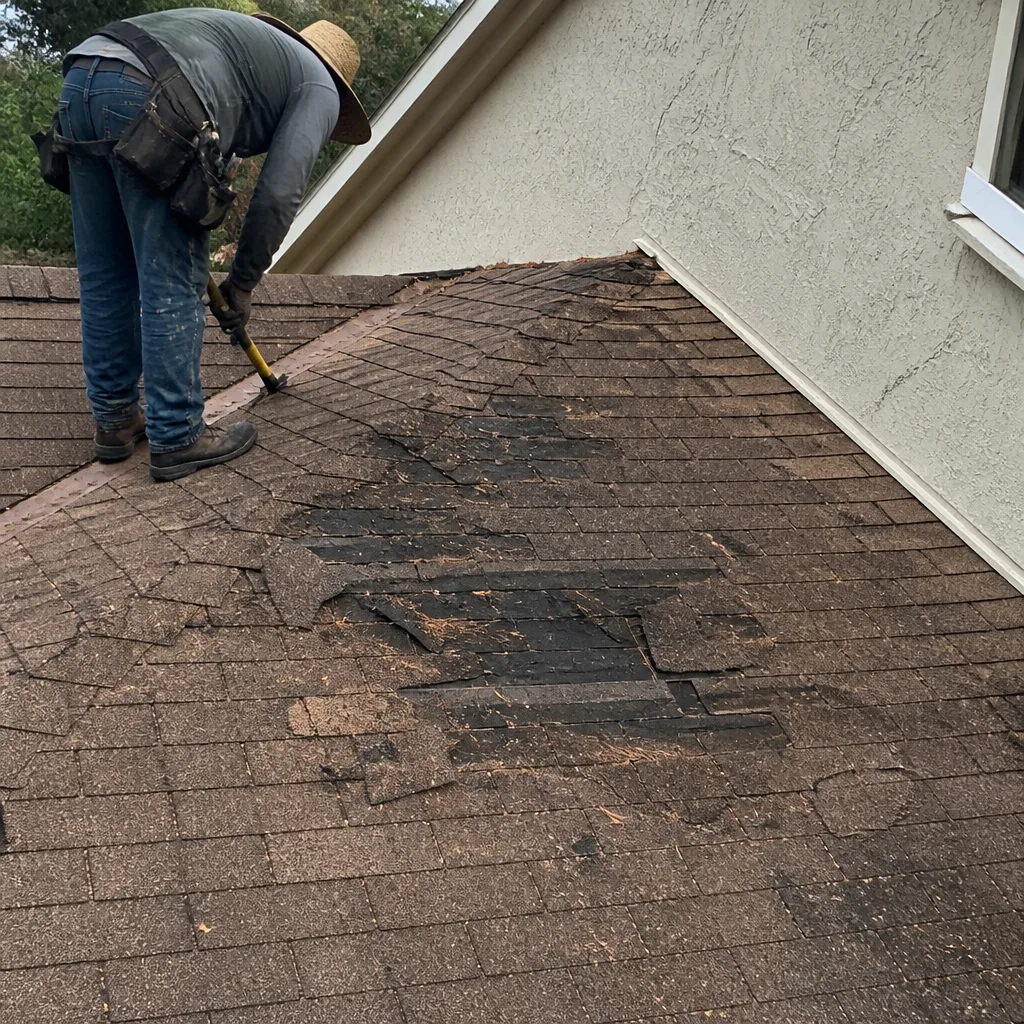 Before
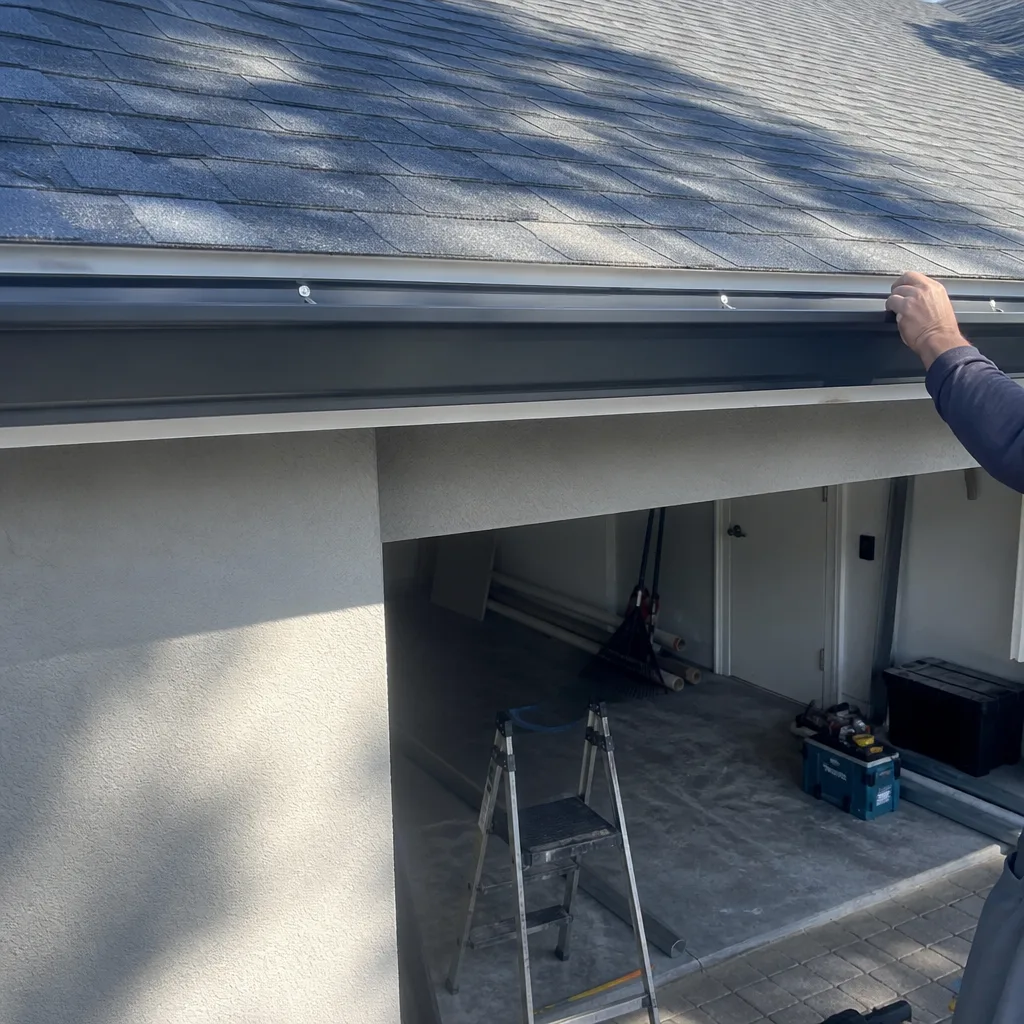 After
After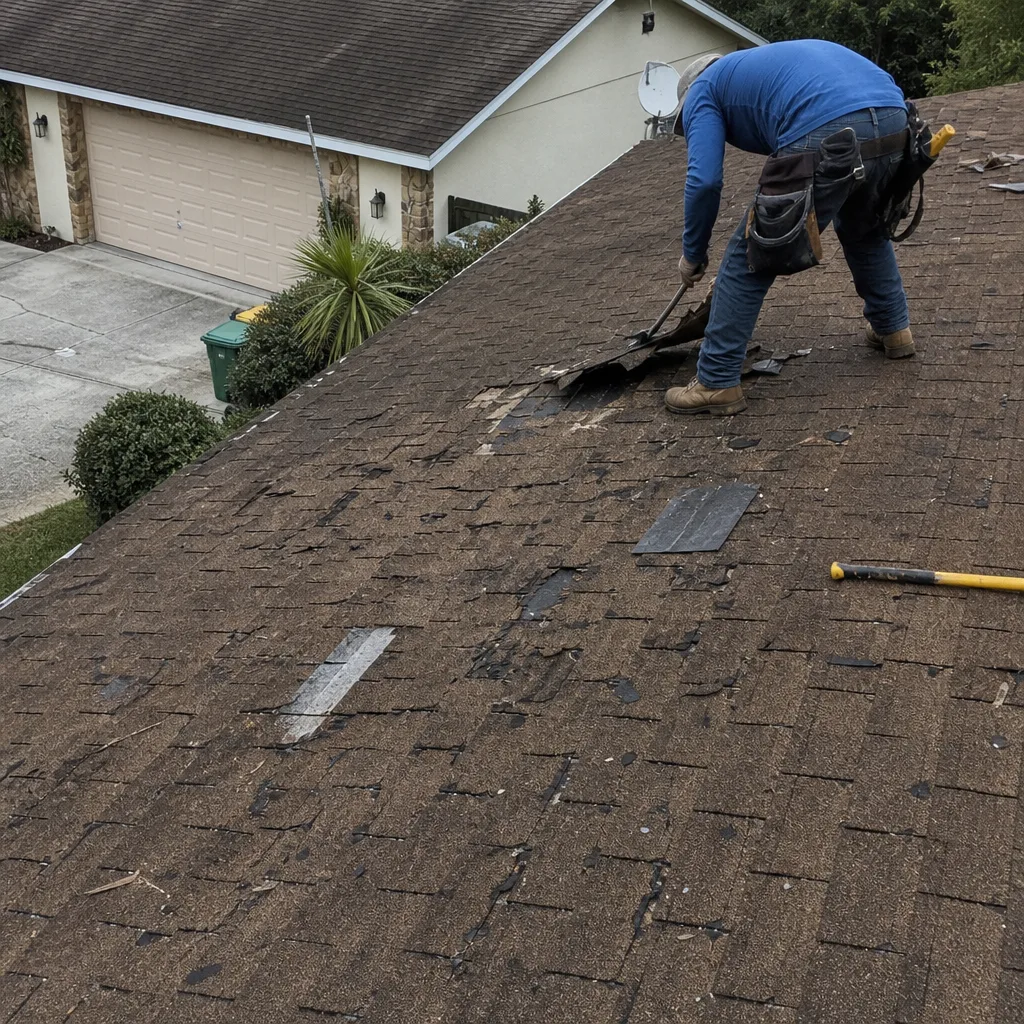 Before
 After
AfterReplacement Cost & What’s Included
Here’s what Boral flashing replacement actually costs in Orlando, installed:
- Valley flashing replacement: $400 – $650 per valley
- Sidewall flashing (roof-to-wall transition): $380 – $580 per wall, depending on length and whether stucco must be cut or patched
- Pipe boot / vent flashing replacement: $180 – $280 per penetration
- Chimney flashing replacement: $550 – $800, more if counterflashing must be cut into the masonry
- Skylight flashing replacement: $450 – $750, depending on skylight brand and whether the curb is damaged
Those prices include the metal, the labor, removing and reinstalling the surrounding Boral tile, and sealing everything with quality materials. What drives the range: roof pitch (a 7/12 tile roof costs more to work on safely than a 4/12), the condition of the underlayment beneath the flashing, and whether we’re matching an existing patina or starting fresh. We give you a written price before any work starts, and that price doesn’t change unless we find damage underneath that you’ve approved us to fix. Every flashing replacement carries our 365-day written guarantee. If water comes back through that same flashing within a year, we return and fix it at no charge.
DIY or Call Us?
Here’s the honest split. You can safely check a few things yourself: look for rust trails at the tile edges from the ground, check the attic for daylight at penetrations, and clear debris from your valleys so water flows. Those inspections cost nothing and give us useful information when you call. What you shouldn’t do is get onto a Boral tile roof. Tile is strong, but it’s also brittle. One wrong step on the wrong point of a barrel tile, and you’ve bought yourself a cracked tile on top of a flashing repair. And Orlando roofs get slick with algae and morning dew even when they look dry from the driveway. Falls from tile roofs put people in the hospital. We have the right safety equipment and we’ve spent years walking Boral tile without breaking it. If you’ve spotted signs of flashing failure, call (850) 757-3564 and we’ll handle the roof work. You take care of picking the paint color.
FAQs
In Central Florida’s climate, plan on 12 – 20 years for most flashing, with pipe boots and valley metal on the shorter end of that range. Our daily thunderstorms, high humidity, and months of extreme UV all work against the metal and its coatings. Flashing in shaded roof areas or near heavy tree cover often fails faster because it never truly dries out.
Sometimes, but rarely on a Boral tile system. Small cracks in pipe boot rubber can be patched for a year or two with the right sealant, but metal flashing that’s lifting, corroding, or separating needs replacement. A patch on failing valley or sidewall flashing is a temporary fix that usually costs more in the long run once water gets into the decking. We’ll tell you if a repair is honest, and if it’s not, we’ll say so. Call (850) 757-3564 and we’ll walk you through what you’re actually looking at.
Most flashing replacements take 2 – 4 hours on site. The work itself is straightforward; the time is in carefully removing and reinstalling the surrounding tile so nothing gets cracked. Larger jobs, like chimney flashing or a full valley run, can stretch to a full day. We’ll give you the timeline in writing before we start, so you know when to expect us and when we’ll be done.
We stock the common flashing profiles used in Orlando Boral systems on our trucks, including valley metal, pipe boots, and standard sidewall flashing in 26-gauge. Odd profiles or custom-cut pieces for unusual tile shapes can take 2 – 4 business days to fabricate. When you call, we’ll ask a few questions about your tile profile and can usually tell you whether we’ll have what you need on the first visit. We also carry flashing components compatible with GAF, Owens Corning, and CertainTeed systems, since many Orlando homes mix roofing materials across additions and remodels.
Grant Whitlock started roofing in Los Angeles and learned the trade at LA Trade-Technical College before putting in nearly two decades on residential and commercial roofs. Around Lake Nona, where summer storms push standing water into places homeowners never think to check, he’s learned that most roof failures start at the transitions – exactly where flashing lives. A roof shouldn’t be a mystery – let’s talk about what’s actually up there.
Call (850) 757-3564 to schedule a flashing inspection or get a written quote. A real person answers, day or night.
Written by Grant Whitlock, Owner, Mercer Roofing Co Orlando at Mercer Roofing Co Orlando, serving Orlando and nearby areas.